To Whom It May Concern,
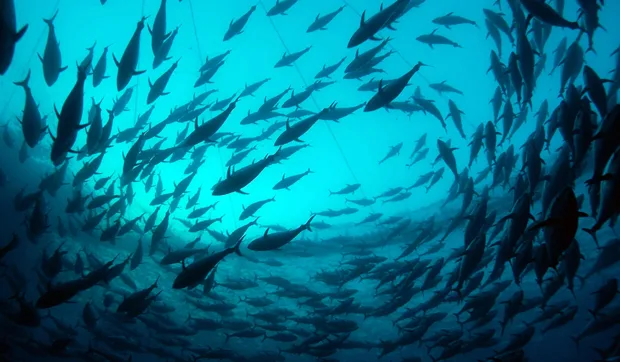
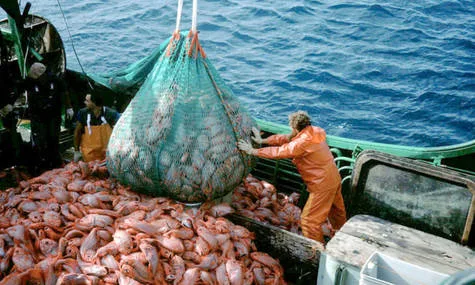
The Southern Blue-fin Tuna is under attack. Every year, the fishing industry harvests tens of thousands of tons of tuna from the ocean for the consumption of humans around the world. At the current rate of decrease in overall biomass, the global population will fall beneath 500 mature individuals within decades, eventually leading to the complete extinction of this breed of tuna. The quotas implemented by the International Commission for the Conservation of Southern Bluefin Tuna (CCSBT) have done nothing to stem the tide. In fact, by lowering supply, they have increased prices and hence the incentive for illegal, unregulated, and unsustainable fishing.
Now, you may be thinking: why should I care? There are other species of tuna you might say, other fish I can eat; what is so important about this one? The answer is simple: there is no other fish like the Southern Blue-fin Tuna. These animals have a unique physiology among both their kin in the Thunnus genus and other closely related organisms. Scientists have barely scratched the surface of their various body systems, despite the preponderance of research conducted in recent years. These adaptations allow the tuna to occupy a very specific niche as both predator and prey in multiple ecosystems. Hence, removing such a creature would likely upset the delicate balance inherent in the complex food webs of the ocean, possibly leading to a significant reduction in population, or even extinction, of other species. Additionally, the import and export of tuna is a significant portion of many coastal countries’ economies, namely New Zealand, Japan, and Australia. Any disruption in tuna fishery would seriously injure the markets of these and other nations. More to the point, it would increase the price (i.e. cost to consumer) of not only other species of tuna, but also other billfishes such as swordfish, sailfish, and marlin.
Hopefully, you now realize that you have both a responsibility and an incentive to attempt to conserve tuna populations. The simplest and most obvious step one should take is to stop eating tuna in all its forms (steaks, sushi/sashimi, canned tuna, etc.). The next and more difficult is to write a letter to a Congressman or other public official; most tuna conservation and research is conducted either directly by governments or through federally-funded, public organizations.
Thank you for your consideration and good day.
Benjamin Zelkin
6 Comments
My kids wont even know what a tuna is in 20 years if we keep this up. Absolutely disgraceful practices.
So many petitions and yet no action. Why?
"THEY GO - WE GO"
Sign Petition
We never post to your account. Social sign-in is used only to verify your signature.
Add a comment?
Your signature will be added via . Tell others why you're signing — it's optional.
By signing, you accept our Terms and Privacy Policy and agree to occasional emails about petitions. Unsubscribe anytime.
Share this petition
Share this petition to help it reach more people.
Your share link
To Whom It May Concern,
The Southern Blue-fin Tuna is under attack. Every year, the fishing industry harvests tens of thousands of tons of tuna from the ocean for the consumption of humans around the world. At the current rate of decrease in overall biomass, the global population will fall beneath 500 mature individuals within decades, eventually leading to the complete extinction of this breed of tuna. The quotas implemented by the International Commission for the Conservation of Southern Bluefin Tuna (CCSBT) have done nothing to stem the tide. In fact, by lowering supply, they have increased prices and hence the incentive for illegal, unregulated, and unsustainable fishing.
Now, you may be thinking: why should I care? There are other species of tuna you might say, other fish I can eat; what is so important about this one? The answer is simple: there is no other fish like the Southern Blue-fin Tuna. These animals have a unique physiology among both their kin in the Thunnus genus and other closely related organisms. Scientists have barely scratched the surface of their various body systems, despite the preponderance of research conducted in recent years. These adaptations allow the tuna to occupy a very specific niche as both predator and prey in multiple ecosystems. Hence, removing such a creature would likely upset the delicate balance inherent in the complex food webs of the ocean, possibly leading to a significant reduction in population, or even extinction, of other species. Additionally, the import and export of tuna is a significant portion of many coastal countries’ economies, namely New Zealand, Japan, and Australia. Any disruption in tuna fishery would seriously injure the markets of these and other nations. More to the point, it would increase the price (i.e. cost to consumer) of not only other species of tuna, but also other billfishes such as swordfish, sailfish, and marlin.
Hopefully, you now realize that you have both a responsibility and an incentive to attempt to conserve tuna populations. The simplest and most obvious step one should take is to stop eating tuna in all its forms (steaks, sushi/sashimi, canned tuna, etc.). The next and more difficult is to write a letter to a Congressman or other public official; most tuna conservation and research is conducted either directly by governments or through federally-funded, public organizations.
Thank you for your consideration and good day.
Benjamin Zelkin
6 Comments
Blue-fin Tuna are very important and beautiful creations of GOD, playing an important part in the ecosystem and used as food by many humans. As such, we MUST NOT over-fish them. Furthermore, it is imperative that we help keep their populations healthy.
My kids wont even know what a tuna is in 20 years if we keep this up. Absolutely disgraceful practices.
So many petitions and yet no action. Why?
"THEY GO - WE GO"
Help this petition grow
Share it with friends to help reach 50 signatures.
Sign Petition
We never post to your account. Social sign-in is used only to verify your signature.
Add a comment?
Your signature will be added via .
Tell others why you're signing — it's optional.
Signing with Google or Facebook verifies your signature instantly — no email needed.
By signing, you accept our Terms and Privacy Policy and agree to occasional emails about petitions. Unsubscribe anytime.
Share this petition
Share this petition to help it reach more people.
Your share link
Petitions like this
Other petitions you might want to support




Scan to share
Anyone who scans this can sign the petition.
Blue-fin Tuna are very important and beautiful creations of GOD, playing an important part in the ecosystem and used as food by many humans. As such, we MUST NOT over-fish them. Furthermore, it is imperative that we help keep their populations healthy.