Status: Closed — this petition is no longer accepting signatures.


Final supporters
A number of studies have been carried out on methods of spraying that are currently being undertaken by NPWS in mid-northern NSW. These studies outline that, "Repetitive use of metsulfuron methyl in annual applications is not recommended because of the residual effects of metsulfuron methyl and comparatively less information available on its impact to native species" (Toth & Winkler, 2008). Further studies back this up and also suggest that, "...information is still needed for many native plant species, particularly in relation to their response to metsulfuron methyl" (Toth & Winkler, 2008). Most scientific research on the effects of metsulfuron methyl on native flora and fauna suggest that a precautionary approach needs to be taken when spraying. This includes locating rare and threatened species prior to spraying so that they can be protected from any adverse impacts (Broese van Groenou and Downey, 2006). The effect of aerial spraying of glyphosate is also of concern as the effects on rare and endangered species is of particular significance. For example research by Matarczyk et al. (2002) found that spray drift from ground-based applications of glyphosate can adversely impact native plant populations such as Pimelea spicata that is an endangered species in NSW.
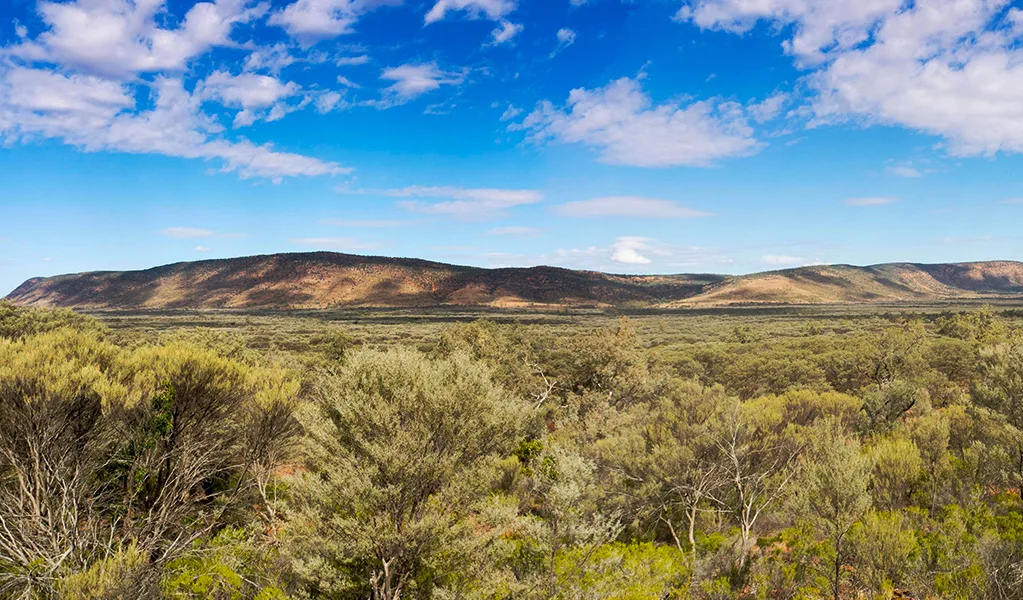
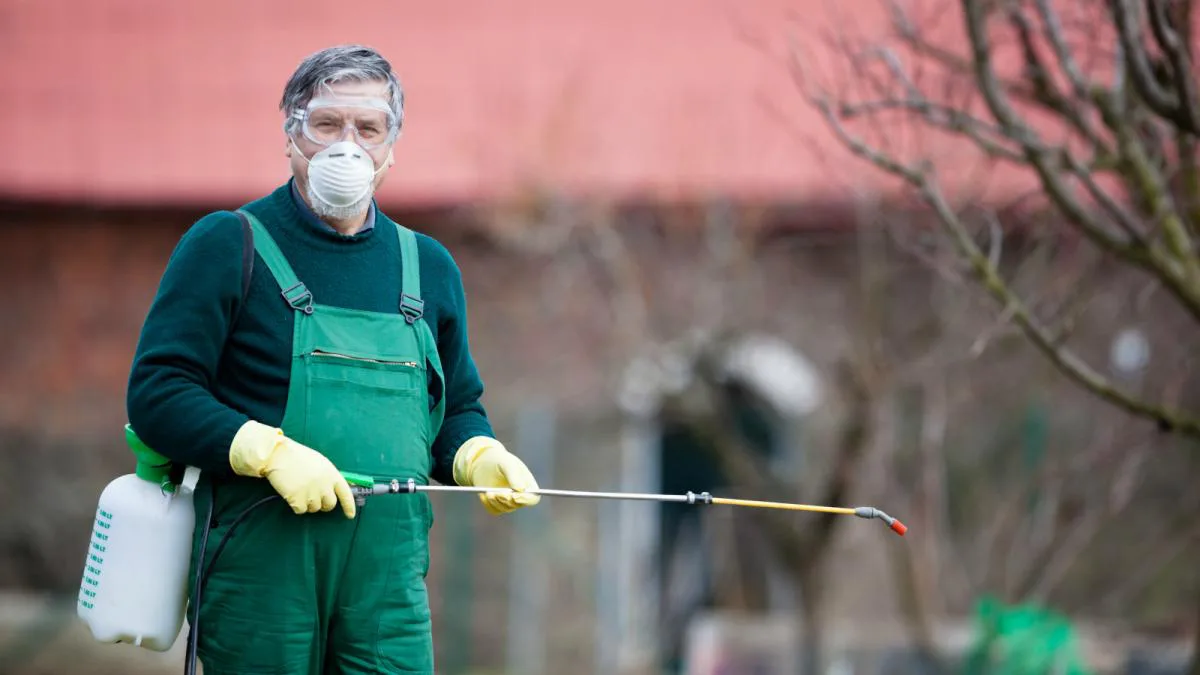
At present spraying and application occurs in Bundjalung, Yuraygir, Hat Head, Crowdy Bay, Botany Bay and Eurobodalla national parks. All of these areas are home to endemic, threatened and endangered flora & fauna as well of being of significant importance as areas of outstanding natural value to human beings. There is insufficient data on the impacts of spraying of metsulfuron methyl and glyphosate on native flora & fauna as well as on human health. Therefore we, the undersigned, are asking the NSW Minister for the Environment, Robyn Parker and Ms. Ann King, the deputy chief executive of the NSW National Parks and Wildlife Service, to put an instant moratorium on chemical spraying and application in NSW until further research into it's effects on flora & fauna, as well as human health are known. We also ask that the communities within the areas being sprayed are consulted prior to any spraying or application of these chemicals and that public forums are held where any concerns can be expressed.
More like this

Stop Pesticide/Herbicide Spraying!
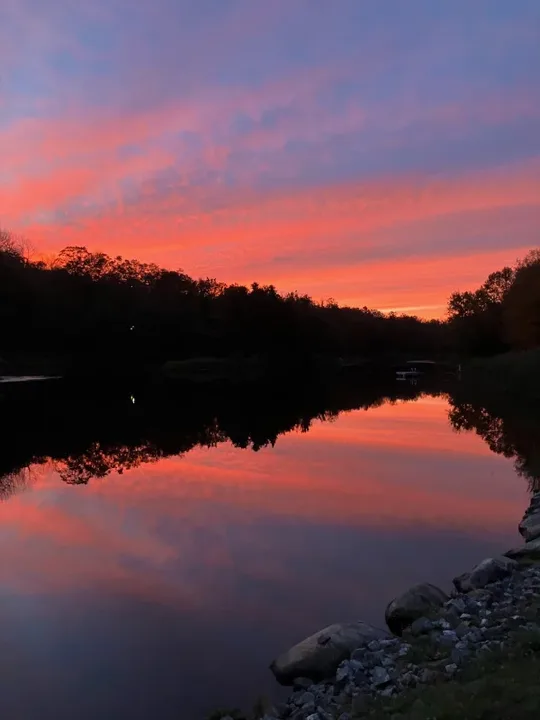
Ban The Use of Spraying All Chemicals At Little Robin Lake
Updates
March 24, 2014
The government is ignoring our concerns about chemical drift in our national parks. Call your local representative today and demand they stop the aerial spraying immediately.
March 24, 2014
The momentum behind this campaign is undeniable and it proves that people are fed up with the reckless chemical spraying in our national parks. Post the link to your Facebook page right now and tag your local member of parliament. We need to keep this pressure high until the NPWS stops these dangerous practices.
Reached 100 supporters
March 24, 2014
18 Comments
There are options to explore that are not being supported or funded.... NPWS could develop a better system than the high-risk aerial spraying of major ecologically significant areas, but they just cant be bothered... when will they realise that the toxic overload from pesticide spraying is a real threat to the population that live in or around these areas...
Members of Byron Shire Chemical-free Landcare have experience of large-scale successful removal of dominating Bitou Bush, Natural regeneration is, in most habitats/areas rapid. At the S. Dirawong Reserve and N.Bundjalung National Park, Evans Head, hectares of beautiful Banksia woodland were killed by repeated aerial spraying. Members of the family Proteaceae do not take kindly to glyphosate. Unfortunately, we have not had cooperation from NPS either at the state or local levels in developing more appropriate weed control methods in conservation areas.
in the forster Tuncurry area I am one 3 people who have developed leukaemia in the last 3 months after the whole area was sprayed there are probably a lot more people sick
There is insufficient data on the impacts of spraying of metsulfuron methyl and glyphosate on native flora & fauna as well as on human health. Therefore we, the undersigned, are asking the NSW Minister for the Environment, Robyn Parker and Ms. Ann King, the deputy chief executive of the NSW National Parks and Wildlife Service, to put an instant moratorium on chemical spraying and application in NSW until further research into it's effects on flora & fauna, as well as human health are known.
If these weeds are so invasive, do what we do and get volunteers to take care of it naturally. I'm sure you would find many many vonulteers if it means you will stop using these chemicals. Please think of our wildlife. If the ocean dies, we die.
leave nature to nature - or if you must intervene, do it with respect and patience and connectedness, cos we are all connected.
create on the ground employment PLEASE.Stop using chemicals on living organisms
Share this petition
Share this petition to help it reach more people.
Your share link
Status: Closed — this petition is no longer accepting signatures.
Final supporters
A number of studies have been carried out on methods of spraying that are currently being undertaken by NPWS in mid-northern NSW. These studies outline that, "Repetitive use of metsulfuron methyl in annual applications is not recommended because of the residual effects of metsulfuron methyl and comparatively less information available on its impact to native species" (Toth & Winkler, 2008). Further studies back this up and also suggest that, "...information is still needed for many native plant species, particularly in relation to their response to metsulfuron methyl" (Toth & Winkler, 2008). Most scientific research on the effects of metsulfuron methyl on native flora and fauna suggest that a precautionary approach needs to be taken when spraying. This includes locating rare and threatened species prior to spraying so that they can be protected from any adverse impacts (Broese van Groenou and Downey, 2006). The effect of aerial spraying of glyphosate is also of concern as the effects on rare and endangered species is of particular significance. For example research by Matarczyk et al. (2002) found that spray drift from ground-based applications of glyphosate can adversely impact native plant populations such as Pimelea spicata that is an endangered species in NSW.
At present spraying and application occurs in Bundjalung, Yuraygir, Hat Head, Crowdy Bay, Botany Bay and Eurobodalla national parks. All of these areas are home to endemic, threatened and endangered flora & fauna as well of being of significant importance as areas of outstanding natural value to human beings. There is insufficient data on the impacts of spraying of metsulfuron methyl and glyphosate on native flora & fauna as well as on human health. Therefore we, the undersigned, are asking the NSW Minister for the Environment, Robyn Parker and Ms. Ann King, the deputy chief executive of the NSW National Parks and Wildlife Service, to put an instant moratorium on chemical spraying and application in NSW until further research into it's effects on flora & fauna, as well as human health are known. We also ask that the communities within the areas being sprayed are consulted prior to any spraying or application of these chemicals and that public forums are held where any concerns can be expressed.
Updates
March 24, 2014
The government is ignoring our concerns about chemical drift in our national parks. Call your local representative today and demand they stop the aerial spraying immediately.
March 24, 2014
The momentum behind this campaign is undeniable and it proves that people are fed up with the reckless chemical spraying in our national parks. Post the link to your Facebook page right now and tag your local member of parliament. We need to keep this pressure high until the NPWS stops these dangerous practices.
Reached 100 supporters
March 24, 2014
18 Comments
Absolutely time to review the damage of herbicide in the environment versus the damage of weeds. Weeds do a lot to stop erosion and capture carbon. They are habitat and food source for natives, as they are for us human imports.
There are options to explore that are not being supported or funded.... NPWS could develop a better system than the high-risk aerial spraying of major ecologically significant areas, but they just cant be bothered... when will they realise that the toxic overload from pesticide spraying is a real threat to the population that live in or around these areas...
Members of Byron Shire Chemical-free Landcare have experience of large-scale successful removal of dominating Bitou Bush, Natural regeneration is, in most habitats/areas rapid. At the S. Dirawong Reserve and N.Bundjalung National Park, Evans Head, hectares of beautiful Banksia woodland were killed by repeated aerial spraying. Members of the family Proteaceae do not take kindly to glyphosate. Unfortunately, we have not had cooperation from NPS either at the state or local levels in developing more appropriate weed control methods in conservation areas.
in the forster Tuncurry area I am one 3 people who have developed leukaemia in the last 3 months after the whole area was sprayed there are probably a lot more people sick
There is insufficient data on the impacts of spraying of metsulfuron methyl and glyphosate on native flora & fauna as well as on human health. Therefore we, the undersigned, are asking the NSW Minister for the Environment, Robyn Parker and Ms. Ann King, the deputy chief executive of the NSW National Parks and Wildlife Service, to put an instant moratorium on chemical spraying and application in NSW until further research into it's effects on flora & fauna, as well as human health are known.
If these weeds are so invasive, do what we do and get volunteers to take care of it naturally. I'm sure you would find many many vonulteers if it means you will stop using these chemicals. Please think of our wildlife. If the ocean dies, we die.
leave nature to nature - or if you must intervene, do it with respect and patience and connectedness, cos we are all connected.
create on the ground employment PLEASE.Stop using chemicals on living organisms
Share this petition
Share this petition to help it reach more people.
Your share link
Petitions like this
Other petitions you might want to support



Scan to share
Anyone who scans this can sign the petition.
Absolutely time to review the damage of herbicide in the environment versus the damage of weeds. Weeds do a lot to stop erosion and capture carbon. They are habitat and food source for natives, as they are for us human imports.