The township reversed the citation and our local bees get to stay in their hives. Send an email to the board today to thank them for choosing to support our pollinators. Keep watching the local zoning meetings to make sure this stays in place.
October 4, 2015


Final supporters


This petition is to voice your support for the beekeepers in residential Millcreek who have received a citation to remove their hives.
The video below covers the current issue.
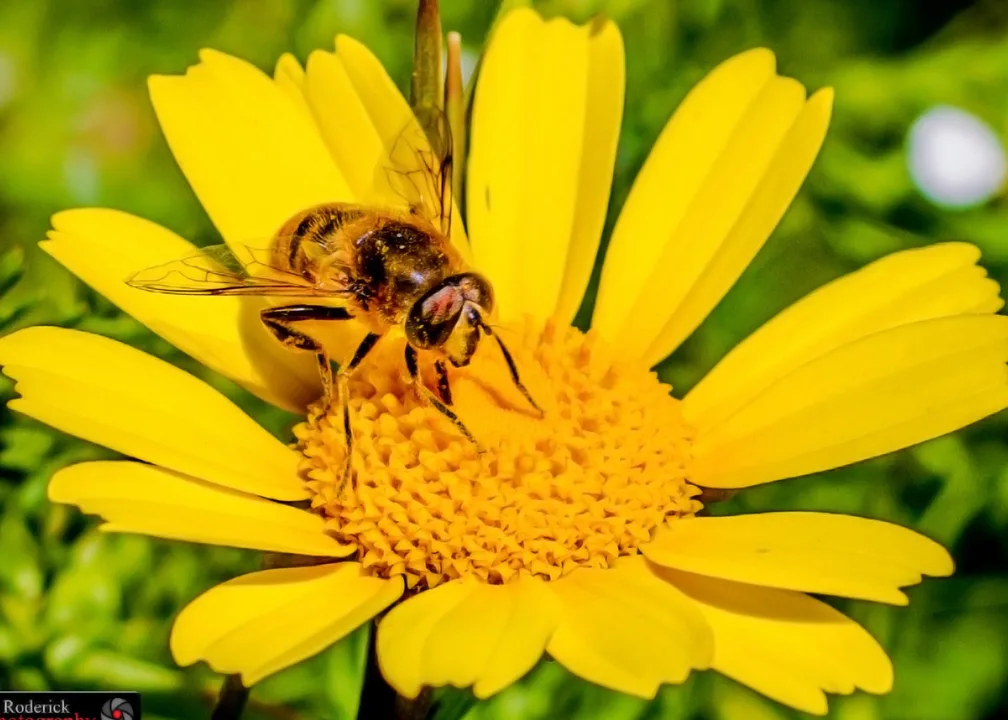
There is a global crisis of the loss of the honeybee, our pollinator. No bees, No food. That simple.
The family cited are beekeepers in line with the land/hive ratio.
There is a faction of people who do not want the bees in this back yard for the fear of being stung. People who are allergic can die.
Death from anything is serious. We are talking about death to a biosphere and there is NO EpiPen for that! Urban residential beekeeping is safely embraced around the world, and important to all communities.
The citation (copy posted below) calls for the REMOVAL OF THE BEEKEEPER's HIVES.
INCLUDE YOUR CONCERNS ALONG WITH EDUCATIONAL INFORMATION TO the
township supervisors and zoning department below. There is a world of
educational material on this crisis.
[email protected],[email protected],[email protected], [email protected]
YOUR VOICE COUNTS. YOU ARE THE TAXPAYER. THIS IS YOUR COMMUNITY TO SHARE YOUR VOICE OF CONCERN, FOR THE HEALTH OF THE WHOLE.
White House Press release on crisis, and Citation below.
Office of the Press Secretary
For Immediate Release
June 20, 2014
Fact Sheet: The Economic Challenge Posed by Declining Pollinator PopulationsPollinators contribute substantially to the economy of the United States and are vital to keeping fruits, nuts, and vegetables in our diets. Over the past few decades, there has been a significant loss of pollinators—including honey bees, native bees, birds, bats, and butterflies—from the environment. The problem is serious and poses a significant challenge that needs to be addressed to ensure the sustainability of our food production systems, avoid additional economic impacts on the agricultural sector, and protect the health of the environment.
Economic Importance of Pollinators:
- Insect pollination is integral to food security in the United States. Honey bees enable the production of at least 90 commercially grown crops in North America. Globally, 87 of the leading 115 food crops evaluated are dependent on animal pollinators, contributing 35% of global food production.
- Pollinators contribute more than 24 billion dollars to the United States economy, of which honey bees account for more than 15 billion dollars through their vital role in keeping fruits, nuts, and vegetables in our diets.
- Native wild pollinators, such as bumble bees and alfalfa leafcutter bees, also contribute substantially to the domestic economy. In 2009, the crop benefits from native insect pollination in the United States were valued at more than 9 billion dollars.
The Challenge of Pollinator Declines:
- The number of managed honey bee colonies in the United States has declined steadily over the past 60 years, from 6 million colonies (beehives) in 1947 to 4 million in 1970, 3 million in 1990, and just 2.5 million today. Given the heavy dependence of certain crops on commercial pollination, reduced honey bee populations pose a real threat to domestic agriculture.
- Some crops, such as almonds, are almost exclusively pollinated by honey bees, and many crops rely on honey bees for more than 90% of their pollination. California’s almond industry alone requires the pollination services of approximately 1.4 million beehives annually—60% of all U.S. beehives—yielding 80% of the worldwide almond production worth 4.8 billion dollars each year.
- Since 2006, commercial beekeepers in the United States have seen honey bee colony loss rates increase to an average of 30% each winter, compared to historical loss rates of 10 to 15%. In 2013–14, the overwintering loss rate was 23.2%, down from 30.5% the previous year but still greater than historical averages and the self-reported acceptable winter mortality rate.
- The recent increased loss of honey bee colonies is thought to be caused by a combination of stressors, including loss of natural forage and inadequate diets, mite infestations and diseases, loss of genetic diversity, and exposure to certain pesticides. Contributing to these high loss rates is a phenomenon called colony collapse disorder (CCD), in which there is a rapid, unexpected, and catastrophic loss of bees in a hive.
- Beekeepers in the United States have collectively lost an estimated 10 million beehives at an approximate current value of $200 each. These high colony loss rates require beekeepers to rapidly, and at substantial expense, rebuild their colonies, placing commercial beekeeping in jeopardy as a viable industry and threatening the crops dependent on honey bee pollination. The loss rates have driven up the cost of commercial pollination: for instance, the cost of renting honey bee hives for almond pollination rose from about $50 in 2003 to $150-$175 per hive in 2009.
- Some of the viral agents that are impacting honey bee colonies are also now reported to be adversely affecting native pollinators, such as bumble bees, and the pollination services they provide.
- Population declines have also been observed for other contributing pollinator species, such as Monarch butterflies, which migrate from Mexico across the United States to Canada each year, returning to overwinter in the same few forests in Mexico. The Monarch butterfly migration, an iconic natural phenomenon that has an estimated economic value in the billions of dollars, sank to the lowest recorded levels this winter, with an imminent risk of failure.
Administration Actions:
In response to the challenges to commercial bee-keeping, the President’s 2015 Budget recommends approximately $50 million across multiple agencies within USDA to: enhance research at USDA and through public-private grants, strengthen pollinator habitat in core areas, double the number of acres in the Conservation Reserve Program that are dedicated to pollinator health, and increase funding for surveys to determine the impacts on pollinator losses.
Building on this budget initiative, President Obama today issued a Presidential Memorandum on Creating a Federal Strategy to Promote the l Health of Honey Bees and Other Pollinators that takes a number of important steps to tackle the problem of pollinator declines, including:
- Directing the Federal Government to use its research, land management, education, and public/private partnership capacities to broadly advance honey bee and other pollinator health and habitat;
- Establishing a new Pollinator Health Task Force, co-chaired by United States Department of Agriculture and the Environmental Protection Agency, to develop a National Pollinator Health Strategy. The Strategy will include: a coordinated research action plan to understand, prevent, and recover from pollinator losses, including determining the relative impacts of habitat loss, pesticide exposure, and other stressors; a public education plan to help individuals, businesses, and other organizations address pollinator losses; and recommendations for increasing public-private partnerships to build on Federal efforts to protect pollinators;
- Directing Task Force agencies to develop plans to enhance pollinator habitat on federal lands and facilities in order to lead by example to significantly expand the acreage and quality of pollinator habitat, consistent with agency missions and public safety; and
- Directing Task Force agencies to partner with state, tribal, and local governments; farmers and ranchers; corporations and small businesses; and non-governmental organizations to protect pollinators and increase the quality and amount of available habitat and forage.
In line with these efforts, the Federal Government will also work to restore the Monarch butterfly migration using research and habitat improvements that will benefit Monarchs as well as other native pollinators and honey bees. These actions support the February 2014 Joint Statement by President Obama, Prime Minister Harper of Canada, and President Peña Nieto of Mexico to renew and expand collaboration between North American nations to conserve the Monarch butterfly.
This petition will be presented to the township and zoning officials on the Appeal Date at the end of the month.
The citation
ZONING ENFORCEMENT NOTICE
(REMEDIAL ACTION REQUIRED)
NOTICE DATE: MAY 29, 2015
OWNERS OF PROPERTY KNOWN DORCHESTER DR. ERIE, PA 16509
YOU HAVE VIOLATED SECTION 4.02.1 AND 4.02.2 OF MILLCREEK TOWNSHIP ORDINANCE NO.2011-8, AS AMENDED COMMONLY KNOWN AS THE ZONING ORDINANCE.
DATE(S) OF YOUR VIOLATION: MAY 28, 2015
YOU VIOLATED THE ORDINANCE BY ALLOWING BEE HIVES TO BE PRESENT AND MAINTAINED ON YOUR PROPERTY, WHICH IS AN AGRICULTURAL USE AND IS NOT PERMITTED OR OTHERWISE AUTHORIZED IN AN R-1 FAMILY RESIDENTIAL DISTRICT.
YOU ARE HEREBY DIRECTED TO COMMENCE THE FOLLOWING ACTION IMMEDIATELY TO REMEDY THE VIOLATION AND AVOID LIABILITY FOR PAYMENT OF FINES FOR VIOLATION: REMOVE ALL BEE HIVES FROM YOUR PROPERTY. THESE ACTIONS MUST BE COMPLETED NO LATER THAN JUNE 12TH, 2015.
IF YOU BELIEVE YOU HAVE REMEMDIED THE VIOLATION, PLEASE CONTACT THE UNDERSIGNED AT 833-2935 ON MONDAY THROUGH FRIDAY FROM 9AM UNTIL 4:30 PM EXCEPT ON TOWNSHIP HOLIDAYS.
ANY APPEAL FROM THIS ENFORCEMENT NOTICE MUST BE FILED WITH THE MILLCREEK TOWNSHIP ZONING HEARING BOARD WITHIN THIRTY (30) DAYS AFTER THE DATE OF THIS NOTICE, IN ACCORDANCE WITH PROCEDURES SET FORTH ON THE ORDINANCE AND/OR RESOLUTIONS ADOPTED BY THE BOARD OF SUPERVISORS.
IF YOU DO NOT REMEDY THE VIOLATION(S) BY THE DATE SET FORTH ABOVE,
A CIVIL ACTION FOR ENFORCEMENT AND FOR JUDGEMENT FOR FINES AND COSTS WILL BE FILED IN THE OFFICE OF THE DISTRICT MAGISTERIAL JUDGE. IN SUCH ACTION, THE PRESCRIBED FINE IS $600.00 PER VIOLATION FOR EACH DAY A VIOLATION CONTINUES AND THE TOWNSHIP IS ALSO ENTITLED TO RECOVER ALL ATTORNEY’S FEES INCURRED BY IT IN ENFORCING ITS ORDINANCE.
Updates
Reached 250 supporters
July 30, 2015
July 29, 2015
We need to hit the 250 signature mark before we approach the township supervisors. Post the petition link to your Facebook page right now to help us gain ground. Email the contact list in the petition body today to tell them bees belong in our community.
July 28, 2015
The township supervisors are feeling the pressure from our emails so please keep sending them until we get a formal response. Post the petition link to your own Facebook wall today to make sure our neighbors see why these hives matter. Do not let up on the pressure now.
Reached 100 supporters
July 28, 2015
86 Comments
Signing this may seem redundant since I'm the beekeeper for these bees but my intention is to preserve the opportunity for hobby beekeepers to practice responsibly in an urban setting.
The alarming decline in bee populations should trigger policies that encourage their growth. A shortage of pollinators will have a much more painful sting for our region than someone's childhood fears of stepping on a bee.
It's a shame that a harmless activity can cause such an uproar due to a lack of education and information among residents and political constituents of Millcreek Township. Please do not compare commercial beekeeping to small time local beekeepers. Bees are the reason we have food to eat, honey to enjoy, and are an integral portion of our complex food system.
Thanks to the bees, my berries and vegetable garden are doing well. I live across the street and when I am doing my yardwork & weeding in the flower beds, the bees are focused on their job and they pay no attention to me. This area was farmland when my parents moved here in 1956. Without Bees, there will be no food.
If the house in front of Walnut Creek Middle School can have free range chicken, why must this man get rid of his bees? Bees pollinate EVERYTHING!!!
I am a backyard beekeeper and who is also allergic to bees. Backyard beekeeping is so very important to our planet it was worth the risk to me. i have found my bees to be no threat at all. They are not interested in stinging but rather busy pollinating my vegetables and flowers and those of my neighbors. I only need to be careful to wear shoes in my back yard just in case i step on one near the hive.
I always buy local honey when we can.... check your local farmers markey.
Share Petition
Don't stop at signing, share the petition link with friends to multiply our impact
Copy link or share directly
The township reversed the citation and our local bees get to stay in their hives. Send an email to the board today to thank them for choosing to support our pollinators. Keep watching the local zoning meetings to make sure this stays in place.
October 4, 2015
Final supporters
This petition is to voice your support for the beekeepers in residential Millcreek who have received a citation to remove their hives.
The video below covers the current issue.
There is a global crisis of the loss of the honeybee, our pollinator. No bees, No food. That simple.
The family cited are beekeepers in line with the land/hive ratio.
There is a faction of people who do not want the bees in this back yard for the fear of being stung. People who are allergic can die.
Death from anything is serious. We are talking about death to a biosphere and there is NO EpiPen for that! Urban residential beekeeping is safely embraced around the world, and important to all communities.
The citation (copy posted below) calls for the REMOVAL OF THE BEEKEEPER's HIVES.
INCLUDE YOUR CONCERNS ALONG WITH EDUCATIONAL INFORMATION TO the
township supervisors and zoning department below. There is a world of
educational material on this crisis.
[email protected],[email protected],[email protected], [email protected]
YOUR VOICE COUNTS. YOU ARE THE TAXPAYER. THIS IS YOUR COMMUNITY TO SHARE YOUR VOICE OF CONCERN, FOR THE HEALTH OF THE WHOLE.
White House Press release on crisis, and Citation below.
Office of the Press Secretary
For Immediate Release
June 20, 2014
Fact Sheet: The Economic Challenge Posed by Declining Pollinator PopulationsPollinators contribute substantially to the economy of the United States and are vital to keeping fruits, nuts, and vegetables in our diets. Over the past few decades, there has been a significant loss of pollinators—including honey bees, native bees, birds, bats, and butterflies—from the environment. The problem is serious and poses a significant challenge that needs to be addressed to ensure the sustainability of our food production systems, avoid additional economic impacts on the agricultural sector, and protect the health of the environment.
Economic Importance of Pollinators:
- Insect pollination is integral to food security in the United States. Honey bees enable the production of at least 90 commercially grown crops in North America. Globally, 87 of the leading 115 food crops evaluated are dependent on animal pollinators, contributing 35% of global food production.
- Pollinators contribute more than 24 billion dollars to the United States economy, of which honey bees account for more than 15 billion dollars through their vital role in keeping fruits, nuts, and vegetables in our diets.
- Native wild pollinators, such as bumble bees and alfalfa leafcutter bees, also contribute substantially to the domestic economy. In 2009, the crop benefits from native insect pollination in the United States were valued at more than 9 billion dollars.
The Challenge of Pollinator Declines:
- The number of managed honey bee colonies in the United States has declined steadily over the past 60 years, from 6 million colonies (beehives) in 1947 to 4 million in 1970, 3 million in 1990, and just 2.5 million today. Given the heavy dependence of certain crops on commercial pollination, reduced honey bee populations pose a real threat to domestic agriculture.
- Some crops, such as almonds, are almost exclusively pollinated by honey bees, and many crops rely on honey bees for more than 90% of their pollination. California’s almond industry alone requires the pollination services of approximately 1.4 million beehives annually—60% of all U.S. beehives—yielding 80% of the worldwide almond production worth 4.8 billion dollars each year.
- Since 2006, commercial beekeepers in the United States have seen honey bee colony loss rates increase to an average of 30% each winter, compared to historical loss rates of 10 to 15%. In 2013–14, the overwintering loss rate was 23.2%, down from 30.5% the previous year but still greater than historical averages and the self-reported acceptable winter mortality rate.
- The recent increased loss of honey bee colonies is thought to be caused by a combination of stressors, including loss of natural forage and inadequate diets, mite infestations and diseases, loss of genetic diversity, and exposure to certain pesticides. Contributing to these high loss rates is a phenomenon called colony collapse disorder (CCD), in which there is a rapid, unexpected, and catastrophic loss of bees in a hive.
- Beekeepers in the United States have collectively lost an estimated 10 million beehives at an approximate current value of $200 each. These high colony loss rates require beekeepers to rapidly, and at substantial expense, rebuild their colonies, placing commercial beekeeping in jeopardy as a viable industry and threatening the crops dependent on honey bee pollination. The loss rates have driven up the cost of commercial pollination: for instance, the cost of renting honey bee hives for almond pollination rose from about $50 in 2003 to $150-$175 per hive in 2009.
- Some of the viral agents that are impacting honey bee colonies are also now reported to be adversely affecting native pollinators, such as bumble bees, and the pollination services they provide.
- Population declines have also been observed for other contributing pollinator species, such as Monarch butterflies, which migrate from Mexico across the United States to Canada each year, returning to overwinter in the same few forests in Mexico. The Monarch butterfly migration, an iconic natural phenomenon that has an estimated economic value in the billions of dollars, sank to the lowest recorded levels this winter, with an imminent risk of failure.
Administration Actions:
In response to the challenges to commercial bee-keeping, the President’s 2015 Budget recommends approximately $50 million across multiple agencies within USDA to: enhance research at USDA and through public-private grants, strengthen pollinator habitat in core areas, double the number of acres in the Conservation Reserve Program that are dedicated to pollinator health, and increase funding for surveys to determine the impacts on pollinator losses.
Building on this budget initiative, President Obama today issued a Presidential Memorandum on Creating a Federal Strategy to Promote the l Health of Honey Bees and Other Pollinators that takes a number of important steps to tackle the problem of pollinator declines, including:
- Directing the Federal Government to use its research, land management, education, and public/private partnership capacities to broadly advance honey bee and other pollinator health and habitat;
- Establishing a new Pollinator Health Task Force, co-chaired by United States Department of Agriculture and the Environmental Protection Agency, to develop a National Pollinator Health Strategy. The Strategy will include: a coordinated research action plan to understand, prevent, and recover from pollinator losses, including determining the relative impacts of habitat loss, pesticide exposure, and other stressors; a public education plan to help individuals, businesses, and other organizations address pollinator losses; and recommendations for increasing public-private partnerships to build on Federal efforts to protect pollinators;
- Directing Task Force agencies to develop plans to enhance pollinator habitat on federal lands and facilities in order to lead by example to significantly expand the acreage and quality of pollinator habitat, consistent with agency missions and public safety; and
- Directing Task Force agencies to partner with state, tribal, and local governments; farmers and ranchers; corporations and small businesses; and non-governmental organizations to protect pollinators and increase the quality and amount of available habitat and forage.
In line with these efforts, the Federal Government will also work to restore the Monarch butterfly migration using research and habitat improvements that will benefit Monarchs as well as other native pollinators and honey bees. These actions support the February 2014 Joint Statement by President Obama, Prime Minister Harper of Canada, and President Peña Nieto of Mexico to renew and expand collaboration between North American nations to conserve the Monarch butterfly.
This petition will be presented to the township and zoning officials on the Appeal Date at the end of the month.
The citation
ZONING ENFORCEMENT NOTICE
(REMEDIAL ACTION REQUIRED)
NOTICE DATE: MAY 29, 2015
OWNERS OF PROPERTY KNOWN DORCHESTER DR. ERIE, PA 16509
YOU HAVE VIOLATED SECTION 4.02.1 AND 4.02.2 OF MILLCREEK TOWNSHIP ORDINANCE NO.2011-8, AS AMENDED COMMONLY KNOWN AS THE ZONING ORDINANCE.
DATE(S) OF YOUR VIOLATION: MAY 28, 2015
YOU VIOLATED THE ORDINANCE BY ALLOWING BEE HIVES TO BE PRESENT AND MAINTAINED ON YOUR PROPERTY, WHICH IS AN AGRICULTURAL USE AND IS NOT PERMITTED OR OTHERWISE AUTHORIZED IN AN R-1 FAMILY RESIDENTIAL DISTRICT.
YOU ARE HEREBY DIRECTED TO COMMENCE THE FOLLOWING ACTION IMMEDIATELY TO REMEDY THE VIOLATION AND AVOID LIABILITY FOR PAYMENT OF FINES FOR VIOLATION: REMOVE ALL BEE HIVES FROM YOUR PROPERTY. THESE ACTIONS MUST BE COMPLETED NO LATER THAN JUNE 12TH, 2015.
IF YOU BELIEVE YOU HAVE REMEMDIED THE VIOLATION, PLEASE CONTACT THE UNDERSIGNED AT 833-2935 ON MONDAY THROUGH FRIDAY FROM 9AM UNTIL 4:30 PM EXCEPT ON TOWNSHIP HOLIDAYS.
ANY APPEAL FROM THIS ENFORCEMENT NOTICE MUST BE FILED WITH THE MILLCREEK TOWNSHIP ZONING HEARING BOARD WITHIN THIRTY (30) DAYS AFTER THE DATE OF THIS NOTICE, IN ACCORDANCE WITH PROCEDURES SET FORTH ON THE ORDINANCE AND/OR RESOLUTIONS ADOPTED BY THE BOARD OF SUPERVISORS.
IF YOU DO NOT REMEDY THE VIOLATION(S) BY THE DATE SET FORTH ABOVE,
A CIVIL ACTION FOR ENFORCEMENT AND FOR JUDGEMENT FOR FINES AND COSTS WILL BE FILED IN THE OFFICE OF THE DISTRICT MAGISTERIAL JUDGE. IN SUCH ACTION, THE PRESCRIBED FINE IS $600.00 PER VIOLATION FOR EACH DAY A VIOLATION CONTINUES AND THE TOWNSHIP IS ALSO ENTITLED TO RECOVER ALL ATTORNEY’S FEES INCURRED BY IT IN ENFORCING ITS ORDINANCE.
Updates
Reached 250 supporters
July 30, 2015
July 29, 2015
We need to hit the 250 signature mark before we approach the township supervisors. Post the petition link to your Facebook page right now to help us gain ground. Email the contact list in the petition body today to tell them bees belong in our community.
July 28, 2015
The township supervisors are feeling the pressure from our emails so please keep sending them until we get a formal response. Post the petition link to your own Facebook wall today to make sure our neighbors see why these hives matter. Do not let up on the pressure now.
Reached 100 supporters
July 28, 2015
86 Comments
There is really no issue here. Millcreek Township itself keeps bees at Asbury Woods and Browns Farm - anyone ever hear of an issue with any of these hives. Of the thousands of people that use these facilities how many even know they are around bees.
Signing this may seem redundant since I'm the beekeeper for these bees but my intention is to preserve the opportunity for hobby beekeepers to practice responsibly in an urban setting.
The alarming decline in bee populations should trigger policies that encourage their growth. A shortage of pollinators will have a much more painful sting for our region than someone's childhood fears of stepping on a bee.
It's a shame that a harmless activity can cause such an uproar due to a lack of education and information among residents and political constituents of Millcreek Township. Please do not compare commercial beekeeping to small time local beekeepers. Bees are the reason we have food to eat, honey to enjoy, and are an integral portion of our complex food system.
Thanks to the bees, my berries and vegetable garden are doing well. I live across the street and when I am doing my yardwork & weeding in the flower beds, the bees are focused on their job and they pay no attention to me. This area was farmland when my parents moved here in 1956. Without Bees, there will be no food.
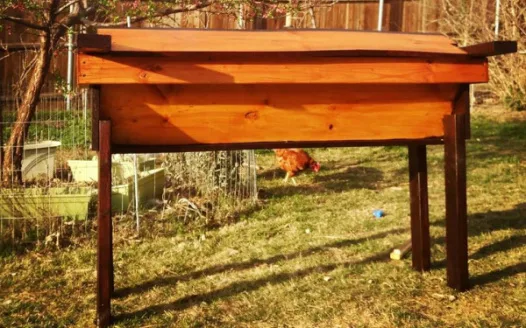
If the house in front of Walnut Creek Middle School can have free range chicken, why must this man get rid of his bees? Bees pollinate EVERYTHING!!!
I am a backyard beekeeper and who is also allergic to bees. Backyard beekeeping is so very important to our planet it was worth the risk to me. i have found my bees to be no threat at all. They are not interested in stinging but rather busy pollinating my vegetables and flowers and those of my neighbors. I only need to be careful to wear shoes in my back yard just in case i step on one near the hive.
I always buy local honey when we can.... check your local farmers markey.
Share Petition
Don't stop at signing, share the petition link with friends to multiply our impact
Petitions like this
Other petitions you might want to support



Scan to share
Anyone who scans this can sign the petition.
There is really no issue here. Millcreek Township itself keeps bees at Asbury Woods and Browns Farm - anyone ever hear of an issue with any of these hives. Of the thousands of people that use these facilities how many even know they are around bees.