

The adverse health impacts of coal-fired power plants in the United States cost about $100 billion per year in lost labor and health care expenses.1
Coal combustion waste accounts for the second largest industrial waste stream in the U.S. and contains several pollutants including heavy metals, fine particulates, and polyaromatic hydrocarbons.2 In fact, accordingto the Environmental Protection Agency, residents living near unlined coal waste ponds experience excess cancer risks of up to 1 in 50.3
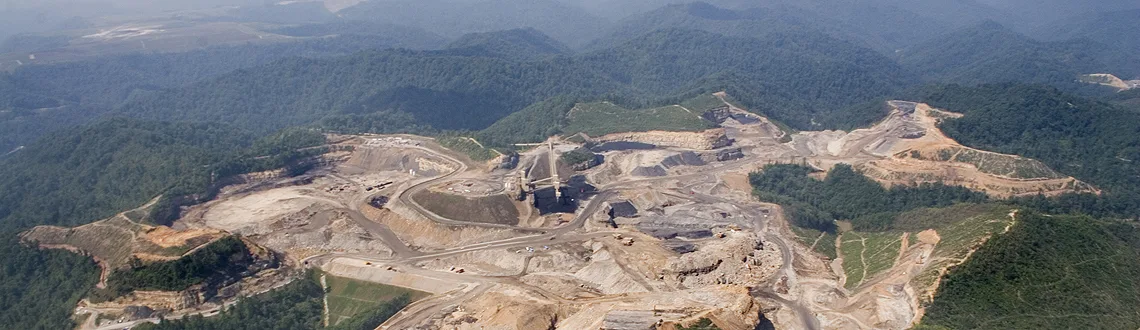
Destructive coal mining, including mountaintop removal, has already damaged or destroyed nearly 2,000 miles of streams4 and threatens to destroy 1.4 million acres of land by 2020.5
Burning coal accounts for almost 40 percent of U.S. greenhouse gas emissions.6
Burning coal here at ISU undeniably puts our campus, our community and our planet at risk. Therefore, we ask our university’s decision-makers to become responsible leaders by moving us beyond coal towards a clean energy future.
1.Conrad, Schneider and Banks, Johnathan. 2010. Clean Air Task Force. “The Toll From Coal.” .Avaialable at: http://www.catf.us/resources/publications/view/138
2 US EPA, Human and Ecological Risk Assessment of Coal Combustion Wastes, August 6 2007 (draft).
3 Environmental Integrity Project, Analysis of U.S. EPA Risk Assessment Document. http://www.environmentalintegrity.org/pub640.cfm
4 U.S. Environmental Protection Agency, “Draft Programmatic Environmental Impact Statement on Mountaintop Mining / Valley Fills in Appalachia,” 2003 and “Final Programmatic Environmental Impact Statement for Mountaintop Mining and Valley Fills,” October 2005.
5 U.S. Geological Survey, “2000 Resource Assessment of Selected Coal Beds and Zones in the Northern and Central Appalachian Basic Coal Regions,” updated May 2003.
6 U.S. EPA, “Inventory of US Greenhouse Gas Emissions and Sinks: 1990-2005.” April 2007. Based on calculations from tables 3-1 and 3-3.
2 Comments
My asthma has been out of control since I moved to campus. It is 2017 and we should be using solar or wind power instead of this dirty coal stuff. Do better ISU.
Sign Petition
We never post to your account. Social sign-in is used only to verify your signature.
Add a comment?
Your signature will be added via . Tell others why you're signing — it's optional.
By signing, you accept iPetitions Terms of Service and Privacy Policy.
Share Petition
Don't stop at signing, share the petition link with friends to multiply our impact
Copy link or share directly
The adverse health impacts of coal-fired power plants in the United States cost about $100 billion per year in lost labor and health care expenses.1
Coal combustion waste accounts for the second largest industrial waste stream in the U.S. and contains several pollutants including heavy metals, fine particulates, and polyaromatic hydrocarbons.2 In fact, accordingto the Environmental Protection Agency, residents living near unlined coal waste ponds experience excess cancer risks of up to 1 in 50.3
Destructive coal mining, including mountaintop removal, has already damaged or destroyed nearly 2,000 miles of streams4 and threatens to destroy 1.4 million acres of land by 2020.5
Burning coal accounts for almost 40 percent of U.S. greenhouse gas emissions.6
Burning coal here at ISU undeniably puts our campus, our community and our planet at risk. Therefore, we ask our university’s decision-makers to become responsible leaders by moving us beyond coal towards a clean energy future.
1.Conrad, Schneider and Banks, Johnathan. 2010. Clean Air Task Force. “The Toll From Coal.” .Avaialable at: http://www.catf.us/resources/publications/view/138
2 US EPA, Human and Ecological Risk Assessment of Coal Combustion Wastes, August 6 2007 (draft).
3 Environmental Integrity Project, Analysis of U.S. EPA Risk Assessment Document. http://www.environmentalintegrity.org/pub640.cfm
4 U.S. Environmental Protection Agency, “Draft Programmatic Environmental Impact Statement on Mountaintop Mining / Valley Fills in Appalachia,” 2003 and “Final Programmatic Environmental Impact Statement for Mountaintop Mining and Valley Fills,” October 2005.
5 U.S. Geological Survey, “2000 Resource Assessment of Selected Coal Beds and Zones in the Northern and Central Appalachian Basic Coal Regions,” updated May 2003.
6 U.S. EPA, “Inventory of US Greenhouse Gas Emissions and Sinks: 1990-2005.” April 2007. Based on calculations from tables 3-1 and 3-3.
2 Comments
FINALLY. We are living in the past burning coal like its the 1800s. Clean energy is the only way forward.
My asthma has been out of control since I moved to campus. It is 2017 and we should be using solar or wind power instead of this dirty coal stuff. Do better ISU.
Help this petition grow
Share it with friends to help reach 50 signatures.
Sign Petition
We never post to your account. Social sign-in is used only to verify your signature.
Add a comment?
Your signature will be added via .
Tell others why you're signing — it's optional.
Signing with Google or Facebook verifies your signature instantly — no email needed.
By signing, you accept iPetitions Terms of Service and Privacy Policy.
Share Petition
Don't stop at signing, share the petition link with friends to multiply our impact
Petitions like this
Other petitions you might want to support





Scan to share
Anyone who scans this can sign the petition.
FINALLY. We are living in the past burning coal like its the 1800s. Clean energy is the only way forward.