Petition to Doug Ford
Keep Low Income Areas in Ontario Clean!
 Decision Makers:
Doug Ford
Decision Makers:
Doug Ford
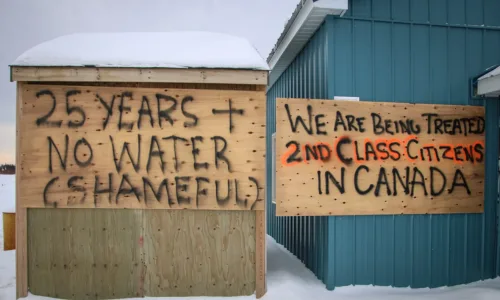
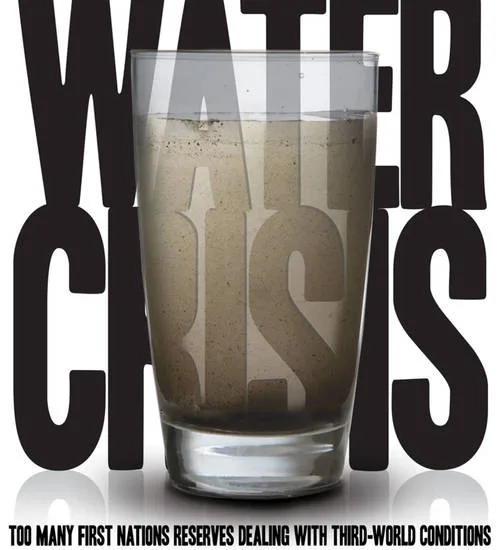
Ontario's Indigenous reserves, and low income areas are known for having a worse environmental habitat and life style in comparison to individuals in Ontario living in high income cities/regions.
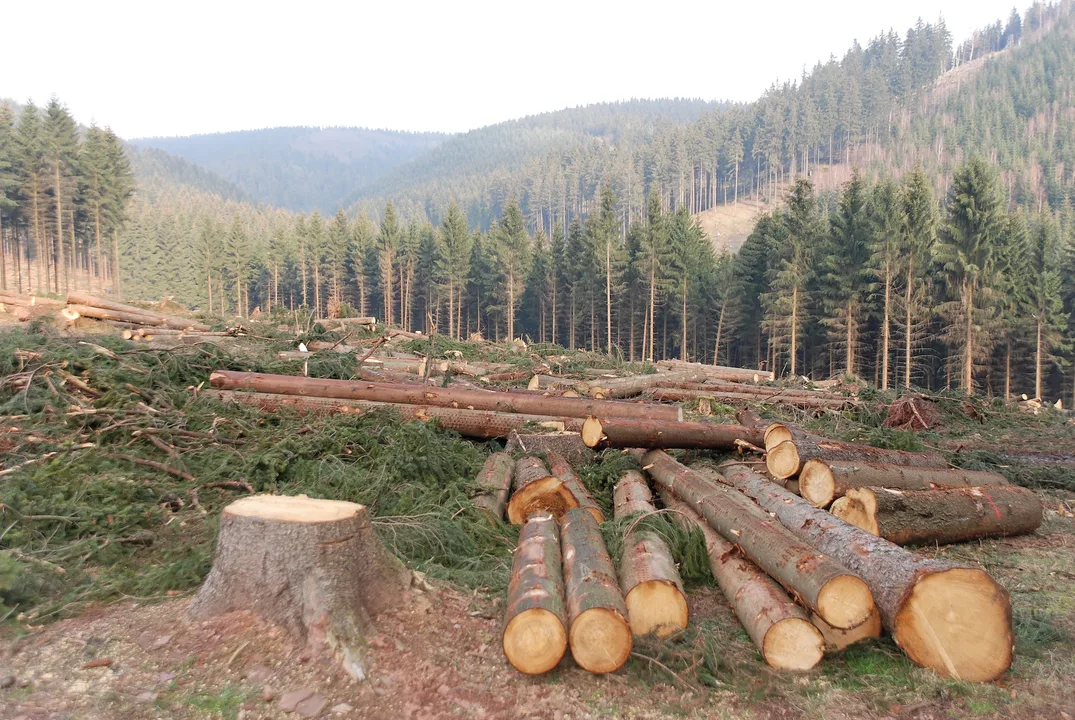
This not only affects the people living in those harmful area's surrounded by diseases and junk, but also is harmful to the environment as many animals who reside there will be affected by all the harmful matter put into the waters and greenery around Ontario.
The environment overall is important to Ontario as it establishes a place where people can live in peace and not feel like they’re living in filth and having climate change issues faced towards them. This is also important for wild-life and human’s health as we need a sustainable environment to live in to keep animals and plants flourishing and continue to thrive, as well as keeping individuals living in well-kept environments to still want to live in those areas and to live there comfortably without getting diseases or illnesses such as asthma or cancers, nor having shorter life expectancies. It is also important as in Canada, the right to life goes hand-in-hand with the environment; everyone should have clean water, clean air, and a healthy environment to reside in.
IMPORTANT EVIDENCE:
- 1 Kilometer Pollution Gap
- Data from the National Pollutant Release Inventory (NPRI) states that data merging the National Pollutant Release Inventory (NPRI) with Statistics Canada demographic data reveals a sharp spatial divide in exposure to toxins.
- This is a proximity to danger as 25% of the poorest neighbourhoods in Canada are located around 1 kilometer of major polluting industrial facilities. In contrast, only 7% of wealthy neighbourhoods are 1 kilometer near the radius or emissions of these industrial facilities. (Gue, 2020)
- Data from the National Pollutant Release Inventory (NPRI) states that data merging the National Pollutant Release Inventory (NPRI) with Statistics Canada demographic data reveals a sharp spatial divide in exposure to toxins.
- Indigenous Communities Exposed to Toxic Chemicals
- Low income Indigenous community, “Aamjiwnaang First Nation” located near Sarnia, Ontario pass a chemical wasteland called “Chemical Valley”. They pass this valley on their way to school, hospital, grocery store, or any essential needs which are harmful for these Indigenous peoples to pass through everyday. Sarnia is known for being a low income Indigenous community city and houses over 40% of petrochemical waste in this Chemical Valley.(APTN News, 2026)
- They had experienced many negative environmental impacts such as the benzene crisis in 2024 as well as a pipeline leak in 2026. (APTN News, 2026)
- The Benzene Crisis had residents live with constant hazardous exposure leading up to emergency air protection orders and temporary evacuations. They leak over 400 times acceptable safety limits.
- Cause alarming rates of respiratory disease, miscarriages, and cancer.
- The Benzene Crisis had residents live with constant hazardous exposure leading up to emergency air protection orders and temporary evacuations. They leak over 400 times acceptable safety limits.
- Premier Doug Ford had talked with the Premier of Alberta to bring another pipeline however many Indigenous individuals believe they should have a say and be consulted about what they should do which the government is not doing.
- Air Quality and Health Disparities
- Research shows that environmental groups and health experts shows that neighborhood demographics heavily predict air pollution exposure and give similar health outcomes.
- The Public Health of Ontario and Independent Researchers document that these lower income areas tend to have elevated levels of Nitrogen Dioxide (NO₂) and fine particulate matter (PM2.5). These areas also show individuals who were exposed to this environment had obtained childhood asthma admissions, cardiovascular illnesses, and premature mortality.(Provincial Equity Office, 2025)
- Research shows that environmental groups and health experts shows that neighborhood demographics heavily predict air pollution exposure and give similar health outcomes.
1 Comment
Sign Petition
We never post to your account. Social sign-in is used only to verify your signature.
Add a comment?
Your signature will be added via . Tell others why you're signing — it's optional.
By signing, you accept our Terms and Privacy Policy and agree to occasional emails about petitions. Unsubscribe anytime.
Share this petition
Share this petition to help it reach more people.
Your share link
Petition to Doug Ford
Keep Low Income Areas in Ontario Clean!
Ontario's Indigenous reserves, and low income areas are known for having a worse environmental habitat and life style in comparison to individuals in Ontario living in high income cities/regions.
This not only affects the people living in those harmful area's surrounded by diseases and junk, but also is harmful to the environment as many animals who reside there will be affected by all the harmful matter put into the waters and greenery around Ontario.
The environment overall is important to Ontario as it establishes a place where people can live in peace and not feel like they’re living in filth and having climate change issues faced towards them. This is also important for wild-life and human’s health as we need a sustainable environment to live in to keep animals and plants flourishing and continue to thrive, as well as keeping individuals living in well-kept environments to still want to live in those areas and to live there comfortably without getting diseases or illnesses such as asthma or cancers, nor having shorter life expectancies. It is also important as in Canada, the right to life goes hand-in-hand with the environment; everyone should have clean water, clean air, and a healthy environment to reside in.
IMPORTANT EVIDENCE:
- 1 Kilometer Pollution Gap
- Data from the National Pollutant Release Inventory (NPRI) states that data merging the National Pollutant Release Inventory (NPRI) with Statistics Canada demographic data reveals a sharp spatial divide in exposure to toxins.
- This is a proximity to danger as 25% of the poorest neighbourhoods in Canada are located around 1 kilometer of major polluting industrial facilities. In contrast, only 7% of wealthy neighbourhoods are 1 kilometer near the radius or emissions of these industrial facilities. (Gue, 2020)
- Data from the National Pollutant Release Inventory (NPRI) states that data merging the National Pollutant Release Inventory (NPRI) with Statistics Canada demographic data reveals a sharp spatial divide in exposure to toxins.
- Indigenous Communities Exposed to Toxic Chemicals
- Low income Indigenous community, “Aamjiwnaang First Nation” located near Sarnia, Ontario pass a chemical wasteland called “Chemical Valley”. They pass this valley on their way to school, hospital, grocery store, or any essential needs which are harmful for these Indigenous peoples to pass through everyday. Sarnia is known for being a low income Indigenous community city and houses over 40% of petrochemical waste in this Chemical Valley.(APTN News, 2026)
- They had experienced many negative environmental impacts such as the benzene crisis in 2024 as well as a pipeline leak in 2026. (APTN News, 2026)
- The Benzene Crisis had residents live with constant hazardous exposure leading up to emergency air protection orders and temporary evacuations. They leak over 400 times acceptable safety limits.
- Cause alarming rates of respiratory disease, miscarriages, and cancer.
- The Benzene Crisis had residents live with constant hazardous exposure leading up to emergency air protection orders and temporary evacuations. They leak over 400 times acceptable safety limits.
- Premier Doug Ford had talked with the Premier of Alberta to bring another pipeline however many Indigenous individuals believe they should have a say and be consulted about what they should do which the government is not doing.
- Air Quality and Health Disparities
- Research shows that environmental groups and health experts shows that neighborhood demographics heavily predict air pollution exposure and give similar health outcomes.
- The Public Health of Ontario and Independent Researchers document that these lower income areas tend to have elevated levels of Nitrogen Dioxide (NO₂) and fine particulate matter (PM2.5). These areas also show individuals who were exposed to this environment had obtained childhood asthma admissions, cardiovascular illnesses, and premature mortality.(Provincial Equity Office, 2025)
- Research shows that environmental groups and health experts shows that neighborhood demographics heavily predict air pollution exposure and give similar health outcomes.
1 Comment

I’m signing because this is a priority.
Help this petition grow
Share it with friends to help reach 50 signatures.
Sign Petition
We never post to your account. Social sign-in is used only to verify your signature.
Add a comment?
Your signature will be added via .
Tell others why you're signing — it's optional.
Signing with Google or Facebook verifies your signature instantly — no email needed.
By signing, you accept our Terms and Privacy Policy and agree to occasional emails about petitions. Unsubscribe anytime.
Share this petition
Share this petition to help it reach more people.
Your share link
Petitions like this
Other petitions you might want to support





Scan to share
Anyone who scans this can sign the petition.
I’m signing because this is a priority.