
Require Seattle and King County to Provide Accurate Information, Transparency and Accountability on Homelessness to Better Serve the Homeless and our Neighborhoods!
We, the undersigned registered voters of the City of Seattle and/or King County, petition the City of Seattle (“City”) and King County (“County”) to do the following within 30 days of this petition reaching 25,000 signatures:
1. Create, maintain and publish on a publicly available website databases identifying up-to-date information regarding the homeless epidemic, the City and County’s responses, expenses incurred year to date and the efficacy of various programs, including as follows:a. all shelter beds available in Seattle and King County at any given time, (see “Available Shelter Database”, Table A);
b. data on all known unauthorized homeless encampments within the City and/or County updated at least once a week, (see “Known Unauthorized Encampments Database”, Table B);
c. information on public funds spent and to be spent in addressing the homelessness crisis updated at least once a month, (see “Homelessness Accountability Database”, Table C);
d. specific numerical data on homelessness, the populations affected and the efficacy of City and County programs updated at least once a month, (see “Homelessness by the Numbers Database”, Table D);
2. Immediately and without further delay commence removal of Known Unauthorized Encampments where an adequate amount of shelter beds are available as identified in the Available Shelter Database in compliance with existing laws and codes, in a prioritized manner that addresses the safety of the unsheltered individuals as well as the surrounding neighborhoods;
3. Commit resources to monitor and prevent future or recurring unauthorized encampments with a goal for removals to be performed within at least one week of first report where adequate amount of shelter bed are available as identified in the Available Shelter Database; and
4. Submit legislation regarding the location of all proposed temporary homeless encampments to the registered voters of the City of Seattle and King County for approval or rejection at the next regular election or at a special election in accordance with Article V, Section 1 of the City Charter and Article 2, Sections 230.40 and 230.50 of the King County Charter.
Purpose of this Petition
The purpose of this petition is to provide accurate and up-to-date information, transparency and accountability on the issue of homelessness and public funds spent to address it. City and County residents and businesses deserve to have accurate, verifiable and up-to-date information to ensure that public money is being wisely spent on efficient programs that produce demonstrable results.
One year ago, the Mayor declared a homelessness “state of emergency” and doubled spending. Since then homelessness has only grown worse. The City estimates there are approximately 250 unauthorized tent encampments within the City limits. Now the City’s homelessness budget for 2017 is increasing another $12 million and this after taxpayers approved a levy of $290 million to provide at least 20,000 affordable housing units. With this amount allocated to help 10,000 individuals, the City and Council should be able to shelter those in need while protecting our parks and neighborhoods.
The current homeless crisis infrastructure is a fragmented system with around 500 different service contracts and a myriad of publicly funded service providers. It is extremely difficult for the public to determine the extent of the problem, City and County action, where and how public funds are being spent and to ensure public funds are being spent wisely. The information from one source is often disputed by others. An example is the frequent statements that there are no available shelter beds and the public statements made by the United Gospel Mission and Salvation Army that they do have beds available.
The public deserves to be provided with verifiable information, transparency and accountability for public funds spent to make sure they are being spent wisely and effectively. The current infrastructure makes it extremely difficult to locate this information as it is maintained by numerous City and County agencies and their contractors.
People belong in homes, rehab facilities, mental health facilities or other places where they can get the help they need, not in tents without heat, electricity, running water or suitable protection from the elements.
The City and County residents and businesses are generous and want to help those in need while keeping our neighborhoods, parks and public spaces safe and beautiful for everyone to use.
Purpose of “Available Shelter Database”, Table A:
- To assist unsheltered individuals in locating and securing available shelter in real time
- To assist publicly funded service providers in making referrals for open shelter space in real time
- To provide accurate, verifiable and up-to-date information on the availability of shelter to the general public
- To support or postpone sweeps of unauthorized encampments based on availability of shelter
Purpose of “Known Unauthorized Encampments Database”, Table B:
- To provide accurate, verifiable and up-to-date information to the general public on unauthorized encampments located within the City and County
- To provide the general public with information on complaints and public safety issues relating to unauthorized encampments
- To provide accountability for spending related to unauthorized homeless encampments by the City and County
- To keep neighborhoods informed on the City’s plans to sweep unauthorized encampments located within the City and County
Purpose of “Homelessness Accountability Database”, Table C:
- To provide accurate, verifiable and up-to-date information to the general public regarding the services being provided to individuals experiencing homelessness
- To provide accurate, verifiable and up-to-date information on the expenses related to each publicly funded service provider
- To provide accurate, verifiable and up-to-date information on the efficacy of publicly funded programs for the homeless
- To aid the government and general public in making decisions on future programs and spending
Purpose of “Homelessness by the Numbers Database”, Table D:
- To provide accurate, verifiable and up-to-date information to the general public on the number of individuals experiencing homelessness in the City and County
- To identify racial, ethnic, gender, sexual orientation and other protected-class inequalities within the City and County’s homeless populations
- To identify migratory trends, e.g., whether City and County policies are attracting more homeless individuals
- To identify whether City and County policies and programs are effective for certain groups of individuals and not for others
- To identify the results of City and County policies and programs
- To aid the government and general public in making decisions on future programs and spending
Purpose of Requiring Removals of Unauthorized Encampments When Shelter Beds Are Available
- Camping in public is illegal when shelter is available
- Unauthorized homeless encampments create toxic and unsanitary conditions on public property that negatively impact the environment in violation of SEPA, reduce the quality of life for nearby residents and can dramatically impact the income and viability of nearby businesses
- At least some unauthorized homeless encampments are associated with criminal activities, such as drug dealing, bicycle “chop shops” and illegal and open drug use, all of which pose a public hazard
- Enforcing our existing laws encourages those needing help for substance abuse or mental health issues to agree to accept needed services
- Enforcing our existing laws discourage others from setting up additional unauthorized encampments nearby or to expand existing unauthorized encampments
- It is inhumane to allow individuals to live outside in hazardous and unhealthy conditions
Purpose of Requiring a Public Vote for Additional Authorized Encampments
- The City and County have not reached out in any meaningful way to residents and business owners within legislative districts where additional authorized homeless encampments are being planned
- Voters should be able to decide whether additional authorized homeless encampments are acceptable, especially in light of national experts explicitly recommending against such measures. See link to Barbara Poppe report. www.seattle.gov/documents/departments/pathwayshome/bpa.pdf
Background of Homelessness in Seattle
In April 2005, King County produced a set of guidelines and commitments designed to end homelessness within ten years, hereinafter referred to as the “Ten Year Plan.” http://lawfilesext.leg.wa.gov/biennium/2005-06/Pdf/Bills/House%20Passed%20Legislature/2163-S2.PL.pdf
During the ten years following the creation of the Ten Year Plan, the City of Seattle and King County spent hundreds of millions of dollars each year to address homelessness.
Between January 2012 and January 2015, the one-night homeless count increased each year. http://www.homelessinfo.org/what_we_do/one_night_count/
In November 2015, Mayor Ed Murray declared a “State of Emergency on Homelessness” and vowed to address homelessness in a more effective manner. Expenditures on homelessness were doubled to about $50 million. http://www.seattle.gov/homelessness#by-number
The Mayor has advised reporters that 80% of the current unsheltered homeless population are addicted to opiates such as heroin and that the homeless population is soaring. http://www.kiro7.com/news/local/why-homelessness-has-grown-worse-a-year-after-mayors-emergency-declaration/463322328
The City of Seattle is also experiencing increased crime. http://www.seattletimes.com/seattle-news/gun-violence-rapes-show-seattle-needs-to-hire-police-not-defund-them/. http://web6.seattle.gov/mnm/policereports.aspx. The North Precinct Police Advisory Council reported, on November 3, 2016, that property crimes were up significantly from the prior year overall, with residential and non-residential burglaries up 23%, car prowls up 21% and car theft up 6%.
On August 15, 2016, national homelessness experts retained by the City of Seattle issued a report evaluating the City’s homeless crisis response system. The experts found that the City had a “fragmented network of providers” and made recommendations for the City to move to an effective and efficient homeless crisis response system.” The following recommendations were made:
1. Implement programs and “national best practices” that have been shown to work in other cities;
2. Develop and require all publicly funded homeless service providers to use a database to provide more effective crisis response, accountability for all programs, reduce duplication of effort and to identify programs that are and are not working so that funding can be quickly moved to programs that work; and
3. Phase out and remove all tent encampments, authorized or not, because they are relatively expensive and ineffective in moving individuals out of homelessness.
www.seattle.gov/documents/departments/pathwayshome/bpa.pdf
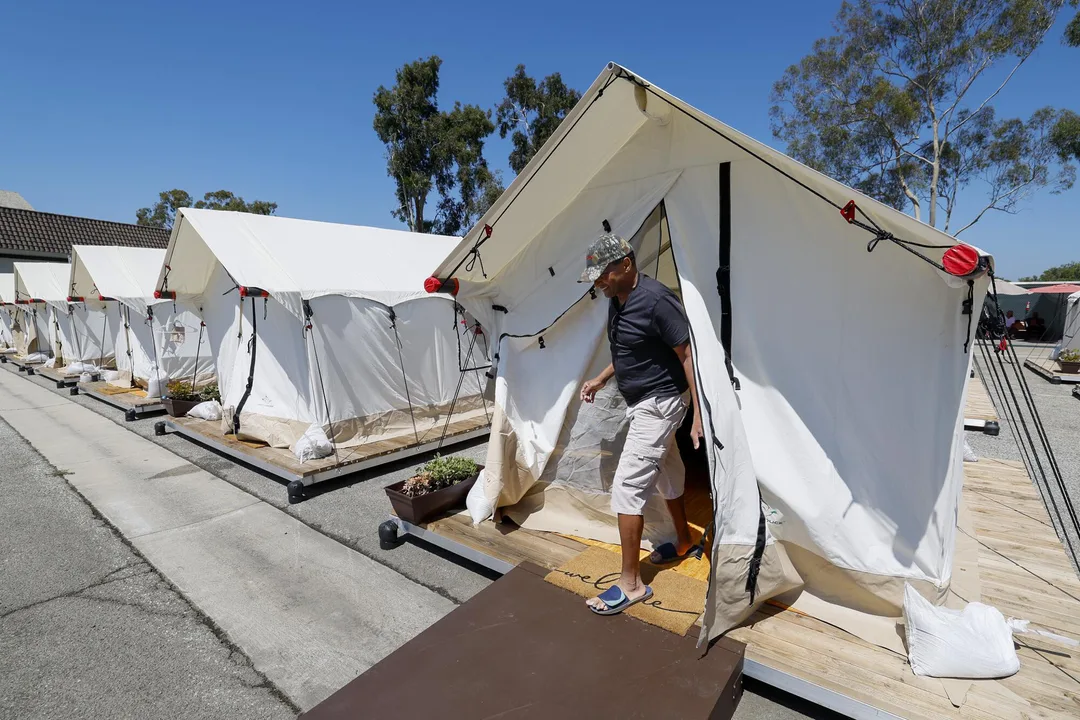
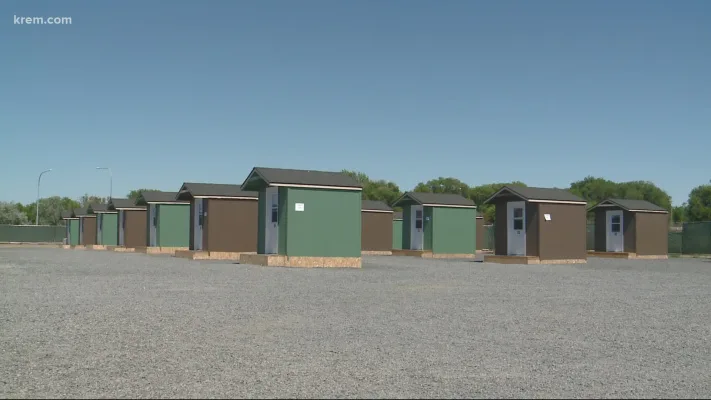
In October 2016, Mayor Ed Murray, in direct opposition to the national experts’ recommendations, declared Seattle will open for four additional authorized tent encampments, one or two of which will allow its residents to use alcohol and illegal narcotics. http://mynorthwest.com/422196/murray-new-seattle-homeless-plans/. The City has been moving forward on these proposals without input or approval by City residents or businesses.
Now a year later, homelessness, particularly unsheltered, is growing in Seattle and there has been no clear accountability on how the $50 million was spent. Further, while homelessness is increasing dramatically in Seattle, the national trend is actually decreasing.
https://www.hudexchange.info/resources/documents/2016-AHAR-Part-1.pdf
Table A: Available Shelter Database
a. Shelter name and full address
b. Service Provider(s) running/operating facility including full name, address, email address, website and contact number
c. Maximum Occupancy allowed per night
d. Number of Shelter Beds Available
e. Type(s) of Shelter Available (eg., outdoor temporary encampment, floor space or bed inside facility, single room, double room, apartment, motel voucher, etc.
f. Individuals Served (eg., individual men, women, couples, families, etc.)
g. Criminal record/ activity rules (identify whether the facility will accept individuals with a criminal record and whether there are restrictions on criminal activity, substance use (alcohol, marijuana, illegal substances) or other behavior)
h. Other Services offered (eg, meals, counseling, detox, rehab, laundry, showers, lockers, etc.)
i. Special Rules or Requirements (chores, volunteering, meeting attendance, etc.)
Table B: Known Unauthorized Encampments Database
a. Location (Address, nearest intersection and/or other suitable identifying information, eg., Emerson Street underpass)
b. Estimated Occupancy (number of individuals living in encampment)
c. Date Reported or City/County first became aware of encampment
d. Complaints Received (number of calls to fire, police, Find It Fix It, etc)
e. Emergency Responses (number of responses by police, fire or medics)
f. Criminal Activity Reported (eg., theft, assault, etc.) and Criminal Charges Filed
g. Other Services Provided (eg., outreach, sanitation, social services)
h. Removal Priority (priority number assigned and estimated or planned date of removal)
i. Priority Reason (brief explanation of reason for priority number assigned, eg., criminal activity, safety concerns for occupants, fire hazards, etc).
Table C: Homelessness Accountability Database
a. Contract Number
b. Service Provider(s) name and address
c. Services Provided ( Services provided by each Service Provider under each specific contract, eg., homeless shelter, food services, counseling, detox, rehab, work training, legal services, etc.)
d. Amount paid year to date to each Service Provider
e. Government Expenses Incurred year to date (Estimated expenses incurred by City and County departments including fire, police, medical, sanitation, utilities, Human Services oversight, etc.)
f. Total Individuals Assisted by each Service Provider year to date
g. Housed: total number of homeless individuals transitioned into sheltered housing with ongoing support
h. Living Independently: total number of homeless individuals transitioned into independent sheltered housing
i. Average Time: Average length of time services were provided per individual assisted by each Service Provider prior to transitioning into permanent housing
Table D: Homelessness by the Numbers Database
a. Total estimated homeless population, including sheltered and unsheltered individuals
b. Unsheltered individuals estimated in Seattle and King County
c. Sheltered individuals estimated in Seattle and King County
d. Housing history to include date of last independent housed living for at least 3 months, location of last unassisted housed living (City and State), total length in years individual has experienced homelessness
e. Gender (numerical data): male, female or other
f. Race (numerical data): Caucasian, Asian, Hispanic, African American, Pacific Islander, Other
g. Sexual orientation (numerical data): (heterosexual, LBGT or other)
f. Other Special Needs (numerical data): (eg, substance abuse, mental illness, loss of job, physical disability, etc.)Updates
Reached 100 supporters
December 1, 2016
31 Comments
I'm not voting for a housing program again unless the city starts providing accurate information and transparency.
I about cry every night as I drive home from taking care of my mom in Upscale Gentrified Ballard, I round the corner on Leary and wait at the light under the Ballard Bridge and am sickened by what is passing for addressing our Homeless Population. Telling these people to pitch tents is not an answer. Not providing basic human resources (Bathrooms, SHowers) at these Camp Sites in my book is cruel and inexcusable.
I would like to see transparency of the situation and the solutions/ proposals and for this to be treated as a community project including the community in the decision making process.
There is an illegal camp close by central Fremont-fremont troll-and another one on Burke Gilman NW 39th Fremont Canal. I saw a new tent underneath Fremont bridge just a few days ago. I do not want to connect it to the homelessness directly, but there are a lot of mentally ill wandering the streets to a degree I had never seen in my 15+ of years of living here. These people need professional help. You cannot just let them out on the streets. It is not safe for anyone. I want to know how much of these millions of dollars are being used to treat mentally ill since things are getting worse day by day.
Ballard resident. The public deserves to be provided with verifiable information, transparency and accountability for public funds spent to make sure they are being spent wisely and effectively.
We need solutions, not inaccurate and biased information.
If you put out bird food, you get birds. Stop incentivizing homelessness. Boundaries must be established for civil behavior.
Sign Petition
We never post to your account. Social sign-in is used only to verify your signature.
Add a comment?
Your signature will be added via . Tell others why you're signing — it's optional.
By signing, you accept our Terms and Privacy Policy and agree to occasional emails about petitions. Unsubscribe anytime.
Share this petition
Share this petition to help it reach more people.
Your share link
Require Seattle and King County to Provide Accurate Information, Transparency and Accountability on Homelessness to Better Serve the Homeless and our Neighborhoods!
We, the undersigned registered voters of the City of Seattle and/or King County, petition the City of Seattle (“City”) and King County (“County”) to do the following within 30 days of this petition reaching 25,000 signatures:
1. Create, maintain and publish on a publicly available website databases identifying up-to-date information regarding the homeless epidemic, the City and County’s responses, expenses incurred year to date and the efficacy of various programs, including as follows:a. all shelter beds available in Seattle and King County at any given time, (see “Available Shelter Database”, Table A);
b. data on all known unauthorized homeless encampments within the City and/or County updated at least once a week, (see “Known Unauthorized Encampments Database”, Table B);
c. information on public funds spent and to be spent in addressing the homelessness crisis updated at least once a month, (see “Homelessness Accountability Database”, Table C);
d. specific numerical data on homelessness, the populations affected and the efficacy of City and County programs updated at least once a month, (see “Homelessness by the Numbers Database”, Table D);
2. Immediately and without further delay commence removal of Known Unauthorized Encampments where an adequate amount of shelter beds are available as identified in the Available Shelter Database in compliance with existing laws and codes, in a prioritized manner that addresses the safety of the unsheltered individuals as well as the surrounding neighborhoods;
3. Commit resources to monitor and prevent future or recurring unauthorized encampments with a goal for removals to be performed within at least one week of first report where adequate amount of shelter bed are available as identified in the Available Shelter Database; and
4. Submit legislation regarding the location of all proposed temporary homeless encampments to the registered voters of the City of Seattle and King County for approval or rejection at the next regular election or at a special election in accordance with Article V, Section 1 of the City Charter and Article 2, Sections 230.40 and 230.50 of the King County Charter.
Purpose of this Petition
The purpose of this petition is to provide accurate and up-to-date information, transparency and accountability on the issue of homelessness and public funds spent to address it. City and County residents and businesses deserve to have accurate, verifiable and up-to-date information to ensure that public money is being wisely spent on efficient programs that produce demonstrable results.
One year ago, the Mayor declared a homelessness “state of emergency” and doubled spending. Since then homelessness has only grown worse. The City estimates there are approximately 250 unauthorized tent encampments within the City limits. Now the City’s homelessness budget for 2017 is increasing another $12 million and this after taxpayers approved a levy of $290 million to provide at least 20,000 affordable housing units. With this amount allocated to help 10,000 individuals, the City and Council should be able to shelter those in need while protecting our parks and neighborhoods.
The current homeless crisis infrastructure is a fragmented system with around 500 different service contracts and a myriad of publicly funded service providers. It is extremely difficult for the public to determine the extent of the problem, City and County action, where and how public funds are being spent and to ensure public funds are being spent wisely. The information from one source is often disputed by others. An example is the frequent statements that there are no available shelter beds and the public statements made by the United Gospel Mission and Salvation Army that they do have beds available.
The public deserves to be provided with verifiable information, transparency and accountability for public funds spent to make sure they are being spent wisely and effectively. The current infrastructure makes it extremely difficult to locate this information as it is maintained by numerous City and County agencies and their contractors.
People belong in homes, rehab facilities, mental health facilities or other places where they can get the help they need, not in tents without heat, electricity, running water or suitable protection from the elements.
The City and County residents and businesses are generous and want to help those in need while keeping our neighborhoods, parks and public spaces safe and beautiful for everyone to use.
Purpose of “Available Shelter Database”, Table A:
- To assist unsheltered individuals in locating and securing available shelter in real time
- To assist publicly funded service providers in making referrals for open shelter space in real time
- To provide accurate, verifiable and up-to-date information on the availability of shelter to the general public
- To support or postpone sweeps of unauthorized encampments based on availability of shelter
Purpose of “Known Unauthorized Encampments Database”, Table B:
- To provide accurate, verifiable and up-to-date information to the general public on unauthorized encampments located within the City and County
- To provide the general public with information on complaints and public safety issues relating to unauthorized encampments
- To provide accountability for spending related to unauthorized homeless encampments by the City and County
- To keep neighborhoods informed on the City’s plans to sweep unauthorized encampments located within the City and County
Purpose of “Homelessness Accountability Database”, Table C:
- To provide accurate, verifiable and up-to-date information to the general public regarding the services being provided to individuals experiencing homelessness
- To provide accurate, verifiable and up-to-date information on the expenses related to each publicly funded service provider
- To provide accurate, verifiable and up-to-date information on the efficacy of publicly funded programs for the homeless
- To aid the government and general public in making decisions on future programs and spending
Purpose of “Homelessness by the Numbers Database”, Table D:
- To provide accurate, verifiable and up-to-date information to the general public on the number of individuals experiencing homelessness in the City and County
- To identify racial, ethnic, gender, sexual orientation and other protected-class inequalities within the City and County’s homeless populations
- To identify migratory trends, e.g., whether City and County policies are attracting more homeless individuals
- To identify whether City and County policies and programs are effective for certain groups of individuals and not for others
- To identify the results of City and County policies and programs
- To aid the government and general public in making decisions on future programs and spending
Purpose of Requiring Removals of Unauthorized Encampments When Shelter Beds Are Available
- Camping in public is illegal when shelter is available
- Unauthorized homeless encampments create toxic and unsanitary conditions on public property that negatively impact the environment in violation of SEPA, reduce the quality of life for nearby residents and can dramatically impact the income and viability of nearby businesses
- At least some unauthorized homeless encampments are associated with criminal activities, such as drug dealing, bicycle “chop shops” and illegal and open drug use, all of which pose a public hazard
- Enforcing our existing laws encourages those needing help for substance abuse or mental health issues to agree to accept needed services
- Enforcing our existing laws discourage others from setting up additional unauthorized encampments nearby or to expand existing unauthorized encampments
- It is inhumane to allow individuals to live outside in hazardous and unhealthy conditions
Purpose of Requiring a Public Vote for Additional Authorized Encampments
- The City and County have not reached out in any meaningful way to residents and business owners within legislative districts where additional authorized homeless encampments are being planned
- Voters should be able to decide whether additional authorized homeless encampments are acceptable, especially in light of national experts explicitly recommending against such measures. See link to Barbara Poppe report. www.seattle.gov/documents/departments/pathwayshome/bpa.pdf
Background of Homelessness in Seattle
In April 2005, King County produced a set of guidelines and commitments designed to end homelessness within ten years, hereinafter referred to as the “Ten Year Plan.” http://lawfilesext.leg.wa.gov/biennium/2005-06/Pdf/Bills/House%20Passed%20Legislature/2163-S2.PL.pdf
During the ten years following the creation of the Ten Year Plan, the City of Seattle and King County spent hundreds of millions of dollars each year to address homelessness.
Between January 2012 and January 2015, the one-night homeless count increased each year. http://www.homelessinfo.org/what_we_do/one_night_count/
In November 2015, Mayor Ed Murray declared a “State of Emergency on Homelessness” and vowed to address homelessness in a more effective manner. Expenditures on homelessness were doubled to about $50 million. http://www.seattle.gov/homelessness#by-number
The Mayor has advised reporters that 80% of the current unsheltered homeless population are addicted to opiates such as heroin and that the homeless population is soaring. http://www.kiro7.com/news/local/why-homelessness-has-grown-worse-a-year-after-mayors-emergency-declaration/463322328
The City of Seattle is also experiencing increased crime. http://www.seattletimes.com/seattle-news/gun-violence-rapes-show-seattle-needs-to-hire-police-not-defund-them/. http://web6.seattle.gov/mnm/policereports.aspx. The North Precinct Police Advisory Council reported, on November 3, 2016, that property crimes were up significantly from the prior year overall, with residential and non-residential burglaries up 23%, car prowls up 21% and car theft up 6%.
On August 15, 2016, national homelessness experts retained by the City of Seattle issued a report evaluating the City’s homeless crisis response system. The experts found that the City had a “fragmented network of providers” and made recommendations for the City to move to an effective and efficient homeless crisis response system.” The following recommendations were made:
1. Implement programs and “national best practices” that have been shown to work in other cities;
2. Develop and require all publicly funded homeless service providers to use a database to provide more effective crisis response, accountability for all programs, reduce duplication of effort and to identify programs that are and are not working so that funding can be quickly moved to programs that work; and
3. Phase out and remove all tent encampments, authorized or not, because they are relatively expensive and ineffective in moving individuals out of homelessness.
www.seattle.gov/documents/departments/pathwayshome/bpa.pdf
In October 2016, Mayor Ed Murray, in direct opposition to the national experts’ recommendations, declared Seattle will open for four additional authorized tent encampments, one or two of which will allow its residents to use alcohol and illegal narcotics. http://mynorthwest.com/422196/murray-new-seattle-homeless-plans/. The City has been moving forward on these proposals without input or approval by City residents or businesses.
Now a year later, homelessness, particularly unsheltered, is growing in Seattle and there has been no clear accountability on how the $50 million was spent. Further, while homelessness is increasing dramatically in Seattle, the national trend is actually decreasing.
https://www.hudexchange.info/resources/documents/2016-AHAR-Part-1.pdf
Table A: Available Shelter Database
a. Shelter name and full address
b. Service Provider(s) running/operating facility including full name, address, email address, website and contact number
c. Maximum Occupancy allowed per night
d. Number of Shelter Beds Available
e. Type(s) of Shelter Available (eg., outdoor temporary encampment, floor space or bed inside facility, single room, double room, apartment, motel voucher, etc.
f. Individuals Served (eg., individual men, women, couples, families, etc.)
g. Criminal record/ activity rules (identify whether the facility will accept individuals with a criminal record and whether there are restrictions on criminal activity, substance use (alcohol, marijuana, illegal substances) or other behavior)
h. Other Services offered (eg, meals, counseling, detox, rehab, laundry, showers, lockers, etc.)
i. Special Rules or Requirements (chores, volunteering, meeting attendance, etc.)
Table B: Known Unauthorized Encampments Database
a. Location (Address, nearest intersection and/or other suitable identifying information, eg., Emerson Street underpass)
b. Estimated Occupancy (number of individuals living in encampment)
c. Date Reported or City/County first became aware of encampment
d. Complaints Received (number of calls to fire, police, Find It Fix It, etc)
e. Emergency Responses (number of responses by police, fire or medics)
f. Criminal Activity Reported (eg., theft, assault, etc.) and Criminal Charges Filed
g. Other Services Provided (eg., outreach, sanitation, social services)
h. Removal Priority (priority number assigned and estimated or planned date of removal)
i. Priority Reason (brief explanation of reason for priority number assigned, eg., criminal activity, safety concerns for occupants, fire hazards, etc).
Table C: Homelessness Accountability Database
a. Contract Number
b. Service Provider(s) name and address
c. Services Provided ( Services provided by each Service Provider under each specific contract, eg., homeless shelter, food services, counseling, detox, rehab, work training, legal services, etc.)
d. Amount paid year to date to each Service Provider
e. Government Expenses Incurred year to date (Estimated expenses incurred by City and County departments including fire, police, medical, sanitation, utilities, Human Services oversight, etc.)
f. Total Individuals Assisted by each Service Provider year to date
g. Housed: total number of homeless individuals transitioned into sheltered housing with ongoing support
h. Living Independently: total number of homeless individuals transitioned into independent sheltered housing
i. Average Time: Average length of time services were provided per individual assisted by each Service Provider prior to transitioning into permanent housing
Table D: Homelessness by the Numbers Database
a. Total estimated homeless population, including sheltered and unsheltered individuals
b. Unsheltered individuals estimated in Seattle and King County
c. Sheltered individuals estimated in Seattle and King County
d. Housing history to include date of last independent housed living for at least 3 months, location of last unassisted housed living (City and State), total length in years individual has experienced homelessness
e. Gender (numerical data): male, female or other
f. Race (numerical data): Caucasian, Asian, Hispanic, African American, Pacific Islander, Other
g. Sexual orientation (numerical data): (heterosexual, LBGT or other)
f. Other Special Needs (numerical data): (eg, substance abuse, mental illness, loss of job, physical disability, etc.)Updates
Reached 100 supporters
December 1, 2016
31 Comments
Why is Seattle ignoring expert opinions (paid for by the City). Why are ineffective programs allowed to continue? Other cities have more success than we do in lowering the numbers of unsheltered individuals; why can we not learn from them?. It is inhumane to allow those who need mental health or addiction treatment to live unsheltered as they are now. Is it a result of "Seattle Niceness"? The only way to be truly nice, show compassion, and to really love is to exercise TOUGH LOVE. We need to look at this, not in the moment, but for the long haul. COME ON SEATTLE show true love.
I'm not voting for a housing program again unless the city starts providing accurate information and transparency.
I about cry every night as I drive home from taking care of my mom in Upscale Gentrified Ballard, I round the corner on Leary and wait at the light under the Ballard Bridge and am sickened by what is passing for addressing our Homeless Population. Telling these people to pitch tents is not an answer. Not providing basic human resources (Bathrooms, SHowers) at these Camp Sites in my book is cruel and inexcusable.
I would like to see transparency of the situation and the solutions/ proposals and for this to be treated as a community project including the community in the decision making process.
There is an illegal camp close by central Fremont-fremont troll-and another one on Burke Gilman NW 39th Fremont Canal. I saw a new tent underneath Fremont bridge just a few days ago. I do not want to connect it to the homelessness directly, but there are a lot of mentally ill wandering the streets to a degree I had never seen in my 15+ of years of living here. These people need professional help. You cannot just let them out on the streets. It is not safe for anyone. I want to know how much of these millions of dollars are being used to treat mentally ill since things are getting worse day by day.
Ballard resident. The public deserves to be provided with verifiable information, transparency and accountability for public funds spent to make sure they are being spent wisely and effectively.
We need solutions, not inaccurate and biased information.
If you put out bird food, you get birds. Stop incentivizing homelessness. Boundaries must be established for civil behavior.
Help this petition grow
Share it with friends to help reach 250 signatures.
Sign Petition
We never post to your account. Social sign-in is used only to verify your signature.
Add a comment?
Your signature will be added via .
Tell others why you're signing — it's optional.
Signing with Google or Facebook verifies your signature instantly — no email needed.
By signing, you accept our Terms and Privacy Policy and agree to occasional emails about petitions. Unsubscribe anytime.
Share this petition
Share this petition to help it reach more people.
Your share link
Petitions like this
Other petitions you might want to support




Scan to share
Anyone who scans this can sign the petition.
Why is Seattle ignoring expert opinions (paid for by the City). Why are ineffective programs allowed to continue? Other cities have more success than we do in lowering the numbers of unsheltered individuals; why can we not learn from them?. It is inhumane to allow those who need mental health or addiction treatment to live unsheltered as they are now. Is it a result of "Seattle Niceness"? The only way to be truly nice, show compassion, and to really love is to exercise TOUGH LOVE. We need to look at this, not in the moment, but for the long haul. COME ON SEATTLE show true love.