
We the undersigned request that the Common Council of the City of Hudson prepare an environmental impact statement on the City's imminent sewer separation project.
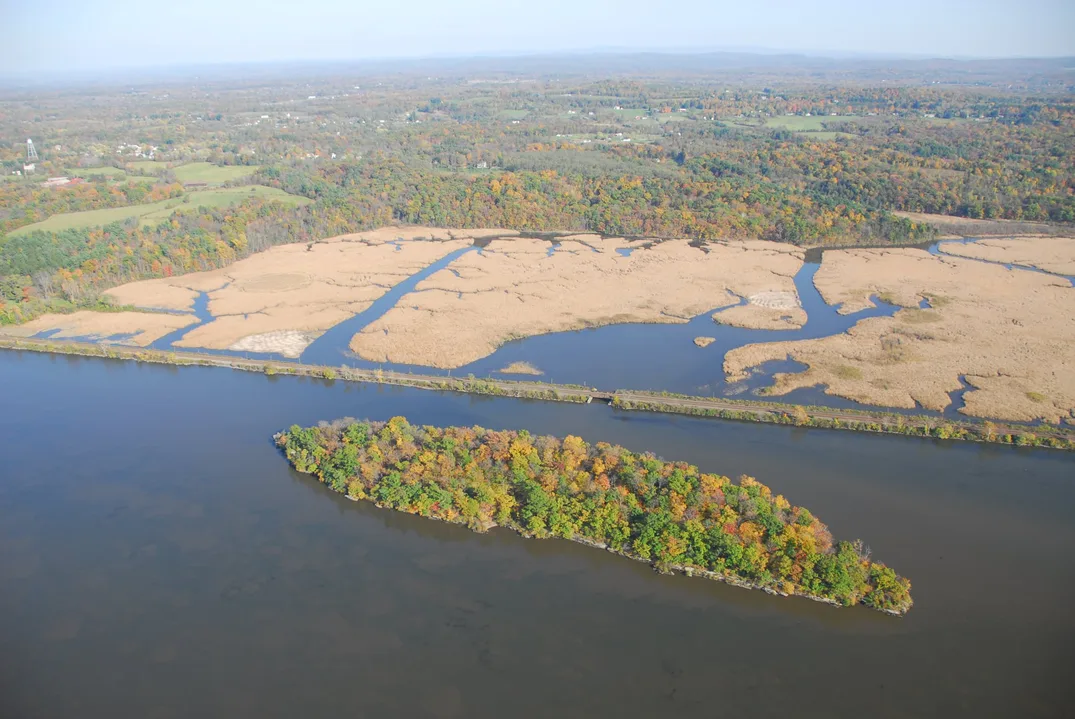
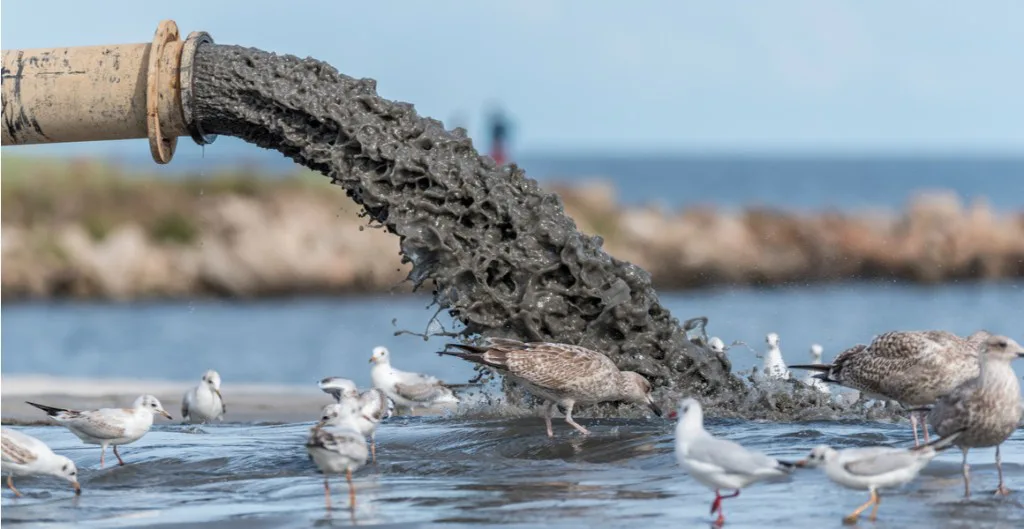
The project plan aspires to become "the backbone of the City’s future storm water separation," which aims to shed the street water runoff of 222 acres at 70% impervious coverage. The resulting runoff volume is estimated at 242 million gallons a year to be discharged through a single outfall pipe to the North Bay's freshwater tidal marsh.
In December 2014, following the announcement of a $600,000 block grant for the project, the public learned that the City had misrepresented the sewer separation as a "major component [of] a condition of Order on Consent." Because the plan is actually discretionary in nature, it is arguable that the competitive federal funds were obtained under false pretenses.
Contrary
to the national "Combined Sewer Overflow (CSO) Policy" of 1994, the
City's plan was devised without public knowledge or participation; without a
vetting of alternatives, such as those in the City's previous sewer studies;
and with no regard for the likely negative impacts to a "very
vulnerable" S2 habitat (NYSDEC New York Natural Heritage Program).
In
2010, a similar plan for the South Bay elicited a comment from the state's
Department of Environmental Conservation (NYSDEC): "redirecting storm
water flows into South Bay would likely have a negative impact on the
wetland."
On
that occasion, the City's Common Council assured the state that
"hydrological and ecological studies, among others, would be required as
part of the approvals process for any future plan to redirect storm water flows
into the South Bay from the City's CSO system" (GEIS, 3.7.7).
The
Common Council should honor the spirit of its previous commitment to the South
Bay by preparing an environmental impact statement (EIS) for a similar project
at the North Bay.
• This
EIS should be conducted under the State Environmental Quality Review Act.
• Under
SEQRA a range of alternatives would be considered, including the No Action
Alternative, and those already studied in the City's earlier CSO reports.
• An
EIS would determine the lesser of evils by making a rational comparison between
runoff estimates and the volume and quality of discharges since storage
capacity was greatly expanded in 2010. (The current separation plan was devised
before the results of the treatment plant upgrades were known.)
• An
EIS offers an opportunity to complete long-required water monitoring in the
North Bay, an important first step in assessing current conditions with the
implied commitment not to further degrade the habitat.
• An
EIS is the obvious context in which the City can honor its previous commitments
relative to streetwater runoff and the North Bay. We refer legal staff to the
conditions for state approval of the City's most comprehensive CSO study to
date, stipulations which were satisfied in a formal agreement signed by
Mayor Michael Yusko.
"This
approval is contingent upon acceptance by the City of the conclusions of the
Combined Sewer Overflow Study and the NYSDEC's review comments included herein
as a plan addendum (an agreement to address said comments should this project
proceed in the future on a federally funded basis.)"
Future
federal funding for CSO projects was contingent on the completion of the
following studies:
"1)
The tidal flushing of the North Bay estuary ... what percentage of the Bay's
volume (and BOD from CSO events) is flushed out with each tide?
"2)
The benefit/need analysis ... [relative to] fishing, fish spawning and nursery,
wildlife (specifically waterfowl) and public health is necessary.
"3)
The assimilative capacity of the North Bay should be estimated. The [CSO]
report includes an estimate of the assimilative capacity of the Hudson River
which is of little relevance to North Bay. Predicted oxygen levels in North Bay
are needed to assess possible impacts on fish ..."
Before
preceding further, however, the City must acknowledge once and for all that the
intended receiving water for an additional 38% of the City's total street water
runoff is the North Bay, which has a distinctly different ecology than the
main stem Hudson River.
Updates
June 15, 2015
We are approaching the 500 signature threshold required to demand a formal response from the Common Council. Please direct your contacts to the campaign page today so we can finalize this petition before the upcoming infrastructure session.
June 9, 2015
I met with legal counsel yesterday to review the initial project documentation and identify clear discrepancies in the City's reporting. We are now preparing a formal request for the environmental impact statement to be filed with the Common Council during the next session.
Reached 100 supporters
April 6, 2015
April 5, 2015
We need to hit the one hundred signature threshold before the next scheduled session with the Common Council. This figure provides the necessary leverage to demand a formal review of the project outfall data.
203 Comments
I grew up in Hudson and spent alot of time on the riverand continue to visit it when I can. It has finally started to clean itself . If the sorm water were to be allowed in it it would restart many issues that have since resolved.
As a regular visitor to Hudson and Columbia, I am very concerned about this proposed and completely inappropriate development. Please stop it and find an alternative.
Of course a Long Form Environmental Impact Statement should be filled out, and ideally the City itself should not be the Lead Agency in reviewing this project-- it should be the Department of Environmental Conservation.
This is a significant event, having an impacting one of the Hudson's remaining tidal marshes. This event poses a risk to environmental, scenic, cultural, and future economic considerations.
NYSDEC in 2010 stated: "redirectiong storm water flows into South Bay would likely have a negative impact." It follows that the Common Council should prepare an enviroinmental impact statement for the imminent sewer separation project.
This is an assault on our water. Lets not make South Bay into a sacrafice zone!
Save the bay!
Sign Petition
We never post to your account. Social sign-in is used only to verify your signature.
Add a comment?
Your signature will be added via . Tell others why you're signing — it's optional.
By signing, you accept our Terms and Privacy Policy and agree to occasional emails about petitions. Unsubscribe anytime.
Share this petition
Share this petition to help it reach more people.
Your share link
We the undersigned request that the Common Council of the City of Hudson prepare an environmental impact statement on the City's imminent sewer separation project.
The project plan aspires to become "the backbone of the City’s future storm water separation," which aims to shed the street water runoff of 222 acres at 70% impervious coverage. The resulting runoff volume is estimated at 242 million gallons a year to be discharged through a single outfall pipe to the North Bay's freshwater tidal marsh.
In December 2014, following the announcement of a $600,000 block grant for the project, the public learned that the City had misrepresented the sewer separation as a "major component [of] a condition of Order on Consent." Because the plan is actually discretionary in nature, it is arguable that the competitive federal funds were obtained under false pretenses.
Contrary
to the national "Combined Sewer Overflow (CSO) Policy" of 1994, the
City's plan was devised without public knowledge or participation; without a
vetting of alternatives, such as those in the City's previous sewer studies;
and with no regard for the likely negative impacts to a "very
vulnerable" S2 habitat (NYSDEC New York Natural Heritage Program).
In
2010, a similar plan for the South Bay elicited a comment from the state's
Department of Environmental Conservation (NYSDEC): "redirecting storm
water flows into South Bay would likely have a negative impact on the
wetland."
On
that occasion, the City's Common Council assured the state that
"hydrological and ecological studies, among others, would be required as
part of the approvals process for any future plan to redirect storm water flows
into the South Bay from the City's CSO system" (GEIS, 3.7.7).
The
Common Council should honor the spirit of its previous commitment to the South
Bay by preparing an environmental impact statement (EIS) for a similar project
at the North Bay.
• This
EIS should be conducted under the State Environmental Quality Review Act.
• Under
SEQRA a range of alternatives would be considered, including the No Action
Alternative, and those already studied in the City's earlier CSO reports.
• An
EIS would determine the lesser of evils by making a rational comparison between
runoff estimates and the volume and quality of discharges since storage
capacity was greatly expanded in 2010. (The current separation plan was devised
before the results of the treatment plant upgrades were known.)
• An
EIS offers an opportunity to complete long-required water monitoring in the
North Bay, an important first step in assessing current conditions with the
implied commitment not to further degrade the habitat.
• An
EIS is the obvious context in which the City can honor its previous commitments
relative to streetwater runoff and the North Bay. We refer legal staff to the
conditions for state approval of the City's most comprehensive CSO study to
date, stipulations which were satisfied in a formal agreement signed by
Mayor Michael Yusko.
"This
approval is contingent upon acceptance by the City of the conclusions of the
Combined Sewer Overflow Study and the NYSDEC's review comments included herein
as a plan addendum (an agreement to address said comments should this project
proceed in the future on a federally funded basis.)"
Future
federal funding for CSO projects was contingent on the completion of the
following studies:
"1)
The tidal flushing of the North Bay estuary ... what percentage of the Bay's
volume (and BOD from CSO events) is flushed out with each tide?
"2)
The benefit/need analysis ... [relative to] fishing, fish spawning and nursery,
wildlife (specifically waterfowl) and public health is necessary.
"3)
The assimilative capacity of the North Bay should be estimated. The [CSO]
report includes an estimate of the assimilative capacity of the Hudson River
which is of little relevance to North Bay. Predicted oxygen levels in North Bay
are needed to assess possible impacts on fish ..."
Before
preceding further, however, the City must acknowledge once and for all that the
intended receiving water for an additional 38% of the City's total street water
runoff is the North Bay, which has a distinctly different ecology than the
main stem Hudson River.
Updates
June 15, 2015
We are approaching the 500 signature threshold required to demand a formal response from the Common Council. Please direct your contacts to the campaign page today so we can finalize this petition before the upcoming infrastructure session.
June 9, 2015
I met with legal counsel yesterday to review the initial project documentation and identify clear discrepancies in the City's reporting. We are now preparing a formal request for the environmental impact statement to be filed with the Common Council during the next session.
Reached 100 supporters
April 6, 2015
April 5, 2015
We need to hit the one hundred signature threshold before the next scheduled session with the Common Council. This figure provides the necessary leverage to demand a formal review of the project outfall data.
203 Comments
It has taken years to clean up the Hudson River after corporations dumped poisonous chemicals, residents dumped trash and municipalities dumped raw sewage, why would the town want to go backwards now?
I grew up in Hudson and spent alot of time on the riverand continue to visit it when I can. It has finally started to clean itself . If the sorm water were to be allowed in it it would restart many issues that have since resolved.
As a regular visitor to Hudson and Columbia, I am very concerned about this proposed and completely inappropriate development. Please stop it and find an alternative.
Of course a Long Form Environmental Impact Statement should be filled out, and ideally the City itself should not be the Lead Agency in reviewing this project-- it should be the Department of Environmental Conservation.
This is a significant event, having an impacting one of the Hudson's remaining tidal marshes. This event poses a risk to environmental, scenic, cultural, and future economic considerations.
NYSDEC in 2010 stated: "redirectiong storm water flows into South Bay would likely have a negative impact." It follows that the Common Council should prepare an enviroinmental impact statement for the imminent sewer separation project.
This is an assault on our water. Lets not make South Bay into a sacrafice zone!
Save the bay!
Help this petition grow
Share it with friends to help reach 500 signatures.
Sign Petition
We never post to your account. Social sign-in is used only to verify your signature.
Add a comment?
Your signature will be added via .
Tell others why you're signing — it's optional.
Signing with Google or Facebook verifies your signature instantly — no email needed.
By signing, you accept our Terms and Privacy Policy and agree to occasional emails about petitions. Unsubscribe anytime.
Share this petition
Share this petition to help it reach more people.
Your share link
Petitions like this
Other petitions you might want to support




Scan to share
Anyone who scans this can sign the petition.
It has taken years to clean up the Hudson River after corporations dumped poisonous chemicals, residents dumped trash and municipalities dumped raw sewage, why would the town want to go backwards now?