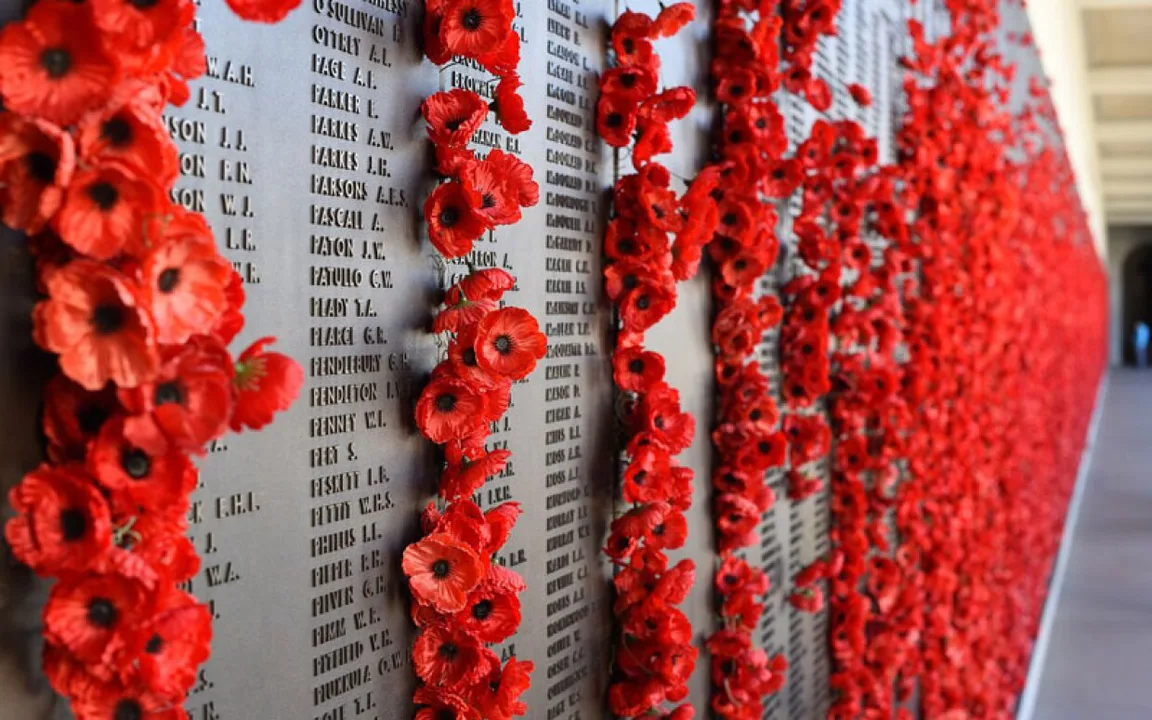
A Peoples' Response to the Centenary of the First World War
We Must Still Work "To End All War"
The year 2014 marks the 100th anniversary of the beginning of the First World War. It was one of the deadliest conflicts in human history, a tragedy that killed 17 million people, including 67,000 Canadians. It was described as “the war to end all war.”
A century later, the peace and progressive movements in Canada mark this anniversary by reminding ourselves that the “Great War” did not end all war. Today, the military potential to destroy lives and a liveable environment is at a terrifying level and continues to rise.
Everyday, all over the world, people suffer from armed conflict, military build-up, occupation, acts of intimidation and aggression, proliferation of nuclear weapons and other weapons of mass destruction, and countless acts of violence in communities and homes.
We declare that the end of all war will be achieved by the elimination of policies of military supremacy, first use of nuclear weapons, preemptive war and permanent war – the doctrines of imperialism. The end of war will be achieved by comprehensive and mutual disarmament. Peace cannot be achieved through provocation and aggression.
This centenary should be a moment for reflection on the root causes of war and a renewed commitment to confronting and overcoming those causes in today's world. It must be used as a platform for revealing the horror of war and the waste of militarism. It must be a forum for encouraging international friendship on the basis of equality and respect for self-determination. It must be directed toward ending economic rivalries and aggressive military alliances.
The ongoing global crisis has deepened economic divisions between countries. Competition for trade and commercial interests is more desperate and unequal. The roots of regional and world war continue to flourish.
Instead of preparing for the next war, humankind needs to commit its immense resources to resolving the crises faced by people all over the world. Hunger, poverty, disease and climate change are among the most pressing issues that demand determined, cooperative international attention. To effectively confront these challenges, governments need to divert resources and energies away from military spending, toward social and environmental needs.
The centenary is an opportunity to understand that Canada never “grew up as a nation” or gained glory because of the First World War. The war did nothing to unite Canada or resolve broiling national questions. In fact, Quebec's opposition to the war led to the Conservative Party's massive defeat in the 1921 election. The government allowed First Nations soldiers the right to vote if they gave up their Aboriginal status – no other First Nations people could vote until 1960. The war imposed harsh living conditions on working people, helping spark general strikes in at least 34 cities in 1919.
The most honest commemoration of this 100th anniversary is to make Canada a voice for peace and disarmament. We call upon the Government of Canada to declare its support for the equality of nations and respect international law as reflected in the United Nations' Charter and Declaration of Human Rights, which are among the greatest legacies of the defeat of fascism in the Second World War. In its foreign and domestic affairs, Canada must be an example that war and militarism are not needed to create a fair, multinational society.
We urge all peace-supporting people to mark this centenary of the calamity of the First World War by building the movement truly to end all war.
We resolve to renew our dedication to peace and disarmament. We resolve to intensify our common efforts to achieve these lofty goals.
Updates
September 28, 2014
I have been spending my evenings reading through your stories and reflections on why this matters to you. It is truly humbling to see so many people choose to look back at history with such a clear eye toward the future.
4 Comments
EXACTLY. We should be focused on fixing things at home instead of all this global conflict nonsense.
Too many people still dying for nothing. When will we ever learn.
Sign Petition
We never post to your account. Social sign-in is used only to verify your signature.
Add a comment?
Your signature will be added via . Tell others why you're signing — it's optional.
By signing, you accept our Terms and Privacy Policy and agree to occasional emails about petitions. Unsubscribe anytime.
Share this petition
Share this petition to help it reach more people.
Your share link
A Peoples' Response to the Centenary of the First World War
We Must Still Work "To End All War"
The year 2014 marks the 100th anniversary of the beginning of the First World War. It was one of the deadliest conflicts in human history, a tragedy that killed 17 million people, including 67,000 Canadians. It was described as “the war to end all war.”
A century later, the peace and progressive movements in Canada mark this anniversary by reminding ourselves that the “Great War” did not end all war. Today, the military potential to destroy lives and a liveable environment is at a terrifying level and continues to rise.
Everyday, all over the world, people suffer from armed conflict, military build-up, occupation, acts of intimidation and aggression, proliferation of nuclear weapons and other weapons of mass destruction, and countless acts of violence in communities and homes.
We declare that the end of all war will be achieved by the elimination of policies of military supremacy, first use of nuclear weapons, preemptive war and permanent war – the doctrines of imperialism. The end of war will be achieved by comprehensive and mutual disarmament. Peace cannot be achieved through provocation and aggression.
This centenary should be a moment for reflection on the root causes of war and a renewed commitment to confronting and overcoming those causes in today's world. It must be used as a platform for revealing the horror of war and the waste of militarism. It must be a forum for encouraging international friendship on the basis of equality and respect for self-determination. It must be directed toward ending economic rivalries and aggressive military alliances.
The ongoing global crisis has deepened economic divisions between countries. Competition for trade and commercial interests is more desperate and unequal. The roots of regional and world war continue to flourish.
Instead of preparing for the next war, humankind needs to commit its immense resources to resolving the crises faced by people all over the world. Hunger, poverty, disease and climate change are among the most pressing issues that demand determined, cooperative international attention. To effectively confront these challenges, governments need to divert resources and energies away from military spending, toward social and environmental needs.
The centenary is an opportunity to understand that Canada never “grew up as a nation” or gained glory because of the First World War. The war did nothing to unite Canada or resolve broiling national questions. In fact, Quebec's opposition to the war led to the Conservative Party's massive defeat in the 1921 election. The government allowed First Nations soldiers the right to vote if they gave up their Aboriginal status – no other First Nations people could vote until 1960. The war imposed harsh living conditions on working people, helping spark general strikes in at least 34 cities in 1919.
The most honest commemoration of this 100th anniversary is to make Canada a voice for peace and disarmament. We call upon the Government of Canada to declare its support for the equality of nations and respect international law as reflected in the United Nations' Charter and Declaration of Human Rights, which are among the greatest legacies of the defeat of fascism in the Second World War. In its foreign and domestic affairs, Canada must be an example that war and militarism are not needed to create a fair, multinational society.
We urge all peace-supporting people to mark this centenary of the calamity of the First World War by building the movement truly to end all war.
We resolve to renew our dedication to peace and disarmament. We resolve to intensify our common efforts to achieve these lofty goals.
Updates
September 28, 2014
I have been spending my evenings reading through your stories and reflections on why this matters to you. It is truly humbling to see so many people choose to look back at history with such a clear eye toward the future.
4 Comments
war is a joke just making rich people richer while everyone else suffers. enough is enough.
EXACTLY. We should be focused on fixing things at home instead of all this global conflict nonsense.
Too many people still dying for nothing. When will we ever learn.
Help this petition grow
Share it with friends to help reach 50 signatures.
Sign Petition
We never post to your account. Social sign-in is used only to verify your signature.
Add a comment?
Your signature will be added via .
Tell others why you're signing — it's optional.
Signing with Google or Facebook verifies your signature instantly — no email needed.
By signing, you accept our Terms and Privacy Policy and agree to occasional emails about petitions. Unsubscribe anytime.
Share this petition
Share this petition to help it reach more people.
Your share link
Petitions like this
Other petitions you might want to support



Scan to share
Anyone who scans this can sign the petition.
war is a joke just making rich people richer while everyone else suffers. enough is enough.