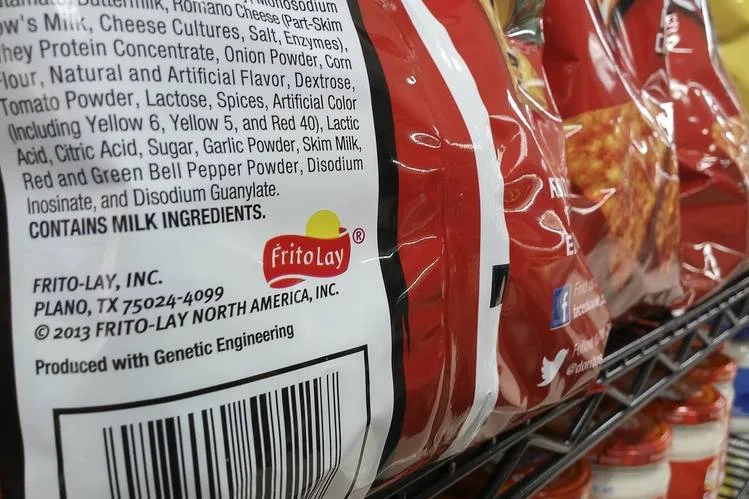
All products containing genetically modified foods must be clearly labeled prior to sale in the Commonwealth of Massachusetts. Specifically, (1) all eligible GE foods sold must be properly labeled, (2) the state department of health and human services will regulate the labeling of such foods, by conducting regular inspections, responding to consumer reports of violations and issuing fines to violators and (3) allows individuals to sue food manufacturers who violate the measure’s labeling provisions.
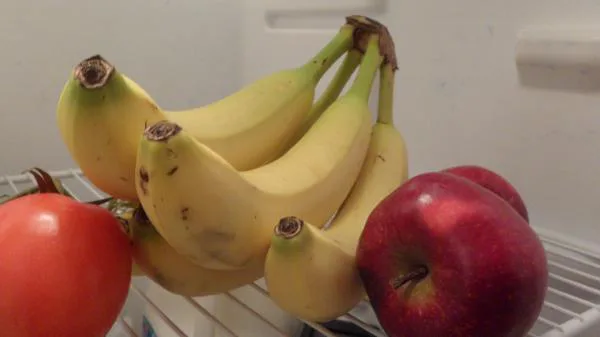
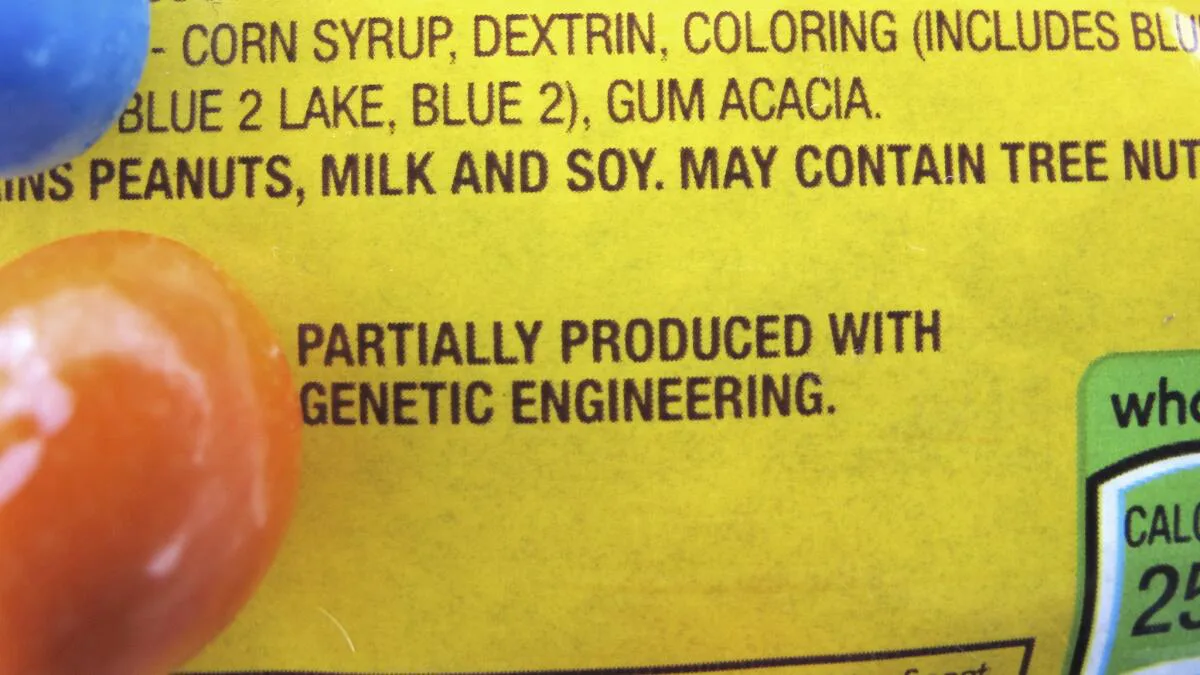
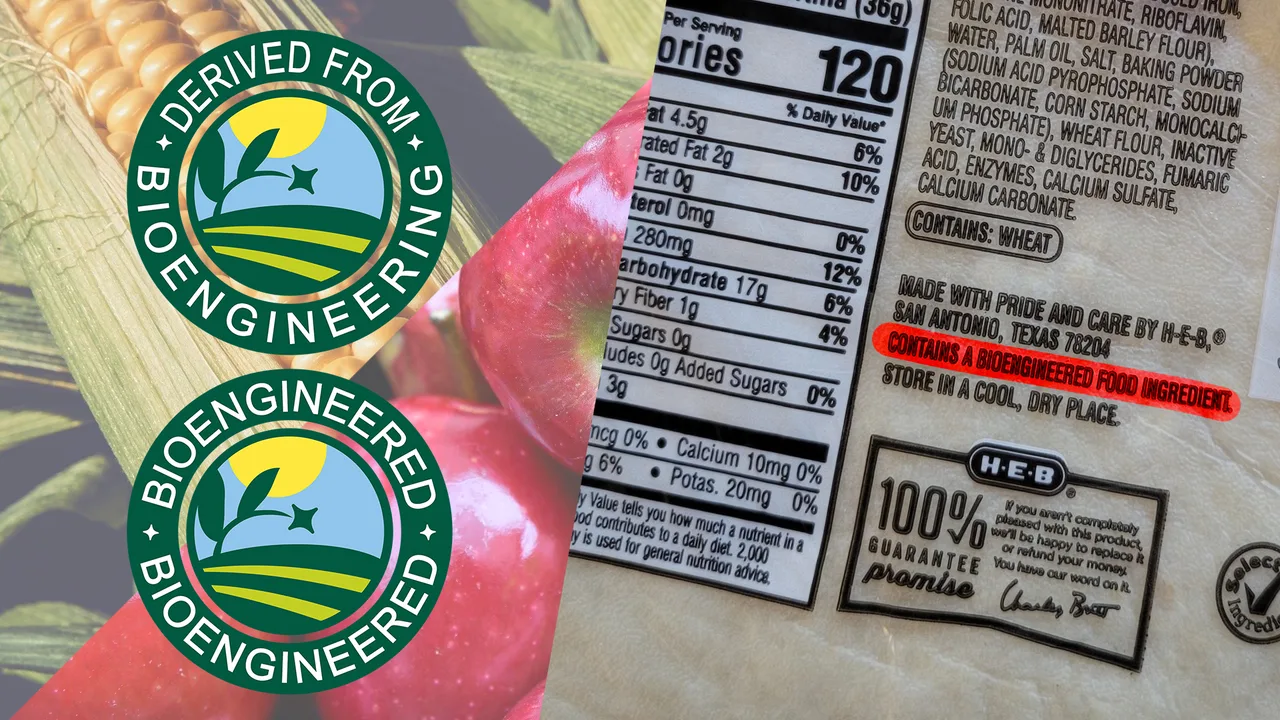
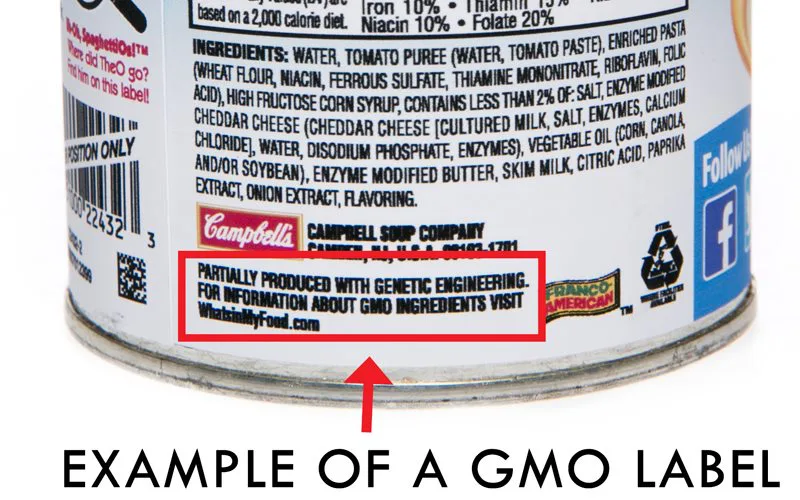
Labeling of Foods. This measure requires that GE foods sold at retail in the state be clearly labeled as genetically engineered. Specifically, the measure requires that raw foods (such as fruits and vegetables) produced entirely or in part through genetic engineering be labeled with the words “Genetically Engineered” on the front package or label. If the item is not separately packaged or does not have a label, these words must appear on the shelf or bin where the item is displayed for sale. The measure also requires that processed foods produced entirely or in part through genetic engineering be labeled with the words “Partially Produced with Genetic Engineering” or “May be Partially Produced with Genetic Engineering.” Retailers (such as grocery stores) would be primarily responsible for complying with the measure by ensuring that their food products are correctly labeled. Products that are labeled as GE would be in compliance. For each product that is not labeled as GE, a retailer generally must be able to document why that product is exempt from labeling. There are two main ways in which a retailer could document that a product is exempt: (1) by obtaining a sworn statement from the provider of the product (such as a wholesaler) indicating that the product has not been intentionally or knowingly genetically engineered or (2) by receiving independent certification that the product does not contain GE ingredients. Other entities throughout the food supply chain (such as farmers and food manufacturers) may also be responsible for maintaining these records. The measure also excludes certain food products from the above labeling requirements. Animal products— such as beef or chicken—that were not directly produced through genetic engineering would also be exempted, regardless of whether the animal had been fed GE crops. In addition, the measure prohibits the use of terms such as “natural,” “naturally made,” “naturally grown,” and “all natural” in the labeling and advertising of GE foods. Given the way the measure is written, there is a possibility that these restrictions would be interpreted by the courts to apply to some processed foods regardless of whether they are genetically engineered.
State Regulation. The labeling requirements for GE foods under this measure would be regulated by Department of Health and Human Serives as part of its existing responsibility to regulate the safety and labeling of foods. The measure allows the department to adopt regulations that it determines are necessary to carry out the measure. For example, DPH would need to develop regulations that describe the sampling procedures for determining whether foods contain GE ingredients.
Litigation to Enforce the Measure. Violations of the measure could be prosecuted by state, local, or private parties. It allows the court to award these parties all reasonable costs incurred in investigating and prosecuting the action. In addition, the measure specifies that consumers could sue for violations of the measure’s requirements under the state Consumer Legal Remedies Act (DOES MA have an equivalent?), which allows consumers to sue without needing to demonstrate that any specific damage occurred as a result of the alleged violation.
1 Comment
Sign Petition
We never post to your account. Social sign-in is used only to verify your signature.
Add a comment?
Your signature will be added via . Tell others why you're signing — it's optional.
By signing, you accept our Terms and Privacy Policy and agree to occasional emails about petitions. Unsubscribe anytime.
Share this petition
Share this petition to help it reach more people.
Your share link
All products containing genetically modified foods must be clearly labeled prior to sale in the Commonwealth of Massachusetts. Specifically, (1) all eligible GE foods sold must be properly labeled, (2) the state department of health and human services will regulate the labeling of such foods, by conducting regular inspections, responding to consumer reports of violations and issuing fines to violators and (3) allows individuals to sue food manufacturers who violate the measure’s labeling provisions.
Labeling of Foods. This measure requires that GE foods sold at retail in the state be clearly labeled as genetically engineered. Specifically, the measure requires that raw foods (such as fruits and vegetables) produced entirely or in part through genetic engineering be labeled with the words “Genetically Engineered” on the front package or label. If the item is not separately packaged or does not have a label, these words must appear on the shelf or bin where the item is displayed for sale. The measure also requires that processed foods produced entirely or in part through genetic engineering be labeled with the words “Partially Produced with Genetic Engineering” or “May be Partially Produced with Genetic Engineering.” Retailers (such as grocery stores) would be primarily responsible for complying with the measure by ensuring that their food products are correctly labeled. Products that are labeled as GE would be in compliance. For each product that is not labeled as GE, a retailer generally must be able to document why that product is exempt from labeling. There are two main ways in which a retailer could document that a product is exempt: (1) by obtaining a sworn statement from the provider of the product (such as a wholesaler) indicating that the product has not been intentionally or knowingly genetically engineered or (2) by receiving independent certification that the product does not contain GE ingredients. Other entities throughout the food supply chain (such as farmers and food manufacturers) may also be responsible for maintaining these records. The measure also excludes certain food products from the above labeling requirements. Animal products— such as beef or chicken—that were not directly produced through genetic engineering would also be exempted, regardless of whether the animal had been fed GE crops. In addition, the measure prohibits the use of terms such as “natural,” “naturally made,” “naturally grown,” and “all natural” in the labeling and advertising of GE foods. Given the way the measure is written, there is a possibility that these restrictions would be interpreted by the courts to apply to some processed foods regardless of whether they are genetically engineered.
State Regulation. The labeling requirements for GE foods under this measure would be regulated by Department of Health and Human Serives as part of its existing responsibility to regulate the safety and labeling of foods. The measure allows the department to adopt regulations that it determines are necessary to carry out the measure. For example, DPH would need to develop regulations that describe the sampling procedures for determining whether foods contain GE ingredients.
Litigation to Enforce the Measure. Violations of the measure could be prosecuted by state, local, or private parties. It allows the court to award these parties all reasonable costs incurred in investigating and prosecuting the action. In addition, the measure specifies that consumers could sue for violations of the measure’s requirements under the state Consumer Legal Remedies Act (DOES MA have an equivalent?), which allows consumers to sue without needing to demonstrate that any specific damage occurred as a result of the alleged violation.
1 Comment
I just want to know what I am feeding my kids. Is that really too much to ask for? Labels please!
Help this petition grow
Share it with friends to help reach 50 signatures.
Sign Petition
We never post to your account. Social sign-in is used only to verify your signature.
Add a comment?
Your signature will be added via .
Tell others why you're signing — it's optional.
Signing with Google or Facebook verifies your signature instantly — no email needed.
By signing, you accept our Terms and Privacy Policy and agree to occasional emails about petitions. Unsubscribe anytime.
Share this petition
Share this petition to help it reach more people.
Your share link
Petitions like this
Other petitions you might want to support


Scan to share
Anyone who scans this can sign the petition.
I just want to know what I am feeding my kids. Is that really too much to ask for? Labels please!