Updates
March 26, 2010
Seeing this grow gives me hope that families in the outback will finally get the reliable connection they deserve. I started this because I know how isolating it feels to be cut off from these broadcasts and your support confirms that I am not alone in this fight.
Reached 100 supporters
November 19, 2008
102 Comments
Sport should remain free to air - giving people access is even more important now under our current financial hardships than ever before. The joy and social benefits are needed to assist with our mental, physical and emotional well-being in our ever increasing stressful lives.
Don't destroy national pride by restricting access ta every day Australians ta watch their national sport side go round the park. Pls don't make my country a place where the have nots can't even watch the footy or the commonwealth games Olympics or other great events. Australians in my opinion are not an elitist society. Pls don't make it that way.
People in rural communities need this service We should be encouraging young people to play sport With many families struggling at the moment most have reduced or cancelled their subscription services Sounds like the Government is protecting the top end of town again
We need sports to be broadcast on free to air TV, as the pay TV is becoming too expensive for people because many pay TV deals only show perhaps one or two sports so you need to sign up to several deals to be able to see numerous sports. On free to air you can just change channels.
We should not have to use internet to get TV.. we should not have to pay for TV.. thats what advertising is for ... not every Australian has the internet or can afford to use data to watch TV... it discriminates against anyone living outside cities who already have limited resources.
I depend on free to air tv for my viewing, as i don't have internet, except on my phone, which i can't afford. Please don't allow us to lose free to air.
This act is definitely UNAustralian .. Find something else to cancel PLEASE.
Sign Petition
We never post to your account. Social sign-in is used only to verify your signature.
Add a comment?
Your signature will be added via . Tell others why you're signing — it's optional.
By signing, you accept our Terms and Privacy Policy and agree to occasional emails about petitions. Unsubscribe anytime.
Share this petition
Share this petition to help it reach more people.
Your share link
Updates
March 26, 2010
Seeing this grow gives me hope that families in the outback will finally get the reliable connection they deserve. I started this because I know how isolating it feels to be cut off from these broadcasts and your support confirms that I am not alone in this fight.
Reached 100 supporters
November 19, 2008
102 Comments
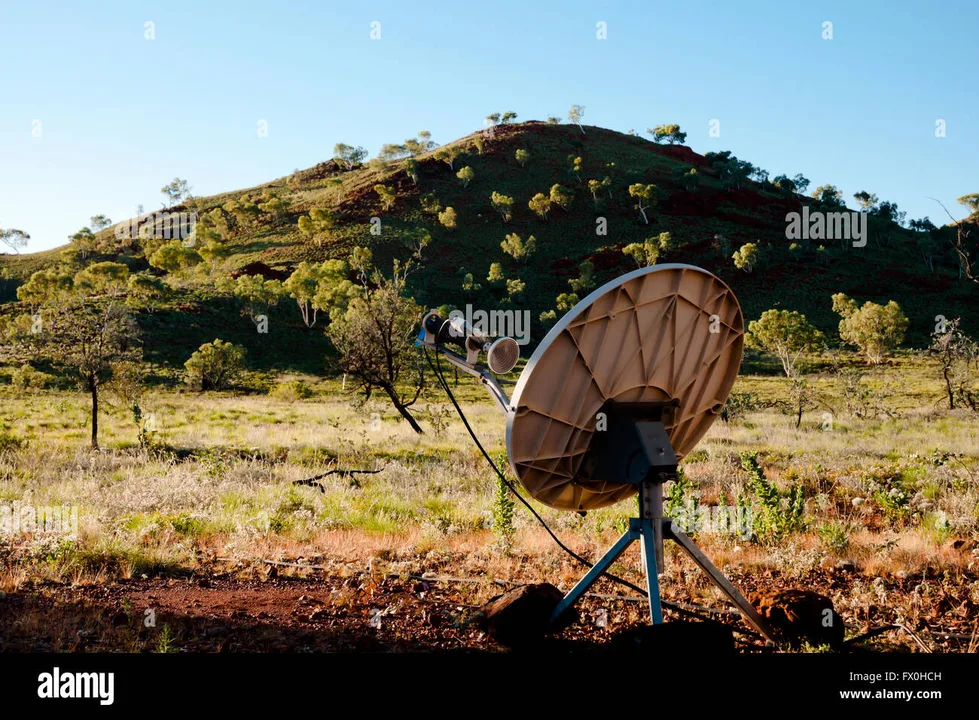
My home location only allows a satellite dish for my tv reception. If free to air is only allowed through aerial I will be unable to watch sport unless I sign up to a sport service such as Kayo or Fox. I am on a pension and this seems a great expense that is unnecessary
Sport should remain free to air - giving people access is even more important now under our current financial hardships than ever before. The joy and social benefits are needed to assist with our mental, physical and emotional well-being in our ever increasing stressful lives.
Don't destroy national pride by restricting access ta every day Australians ta watch their national sport side go round the park. Pls don't make my country a place where the have nots can't even watch the footy or the commonwealth games Olympics or other great events. Australians in my opinion are not an elitist society. Pls don't make it that way.
People in rural communities need this service We should be encouraging young people to play sport With many families struggling at the moment most have reduced or cancelled their subscription services Sounds like the Government is protecting the top end of town again
We need sports to be broadcast on free to air TV, as the pay TV is becoming too expensive for people because many pay TV deals only show perhaps one or two sports so you need to sign up to several deals to be able to see numerous sports. On free to air you can just change channels.
We should not have to use internet to get TV.. we should not have to pay for TV.. thats what advertising is for ... not every Australian has the internet or can afford to use data to watch TV... it discriminates against anyone living outside cities who already have limited resources.
I depend on free to air tv for my viewing, as i don't have internet, except on my phone, which i can't afford. Please don't allow us to lose free to air.
This act is definitely UNAustralian .. Find something else to cancel PLEASE.
Help this petition grow
Share it with friends to help reach 500 signatures.
Sign Petition
We never post to your account. Social sign-in is used only to verify your signature.
Add a comment?
Your signature will be added via .
Tell others why you're signing — it's optional.
Signing with Google or Facebook verifies your signature instantly — no email needed.
By signing, you accept our Terms and Privacy Policy and agree to occasional emails about petitions. Unsubscribe anytime.
Share this petition
Share this petition to help it reach more people.
Your share link
Petitions like this
Other petitions you might want to support



Scan to share
Anyone who scans this can sign the petition.
My home location only allows a satellite dish for my tv reception. If free to air is only allowed through aerial I will be unable to watch sport unless I sign up to a sport service such as Kayo or Fox. I am on a pension and this seems a great expense that is unnecessary