Status: Closed — this petition is no longer accepting signatures.

Final supporters
To accompany the declarations of the 1000th Fairtrade Towns across five continents, the policy statement below will be presented on behalf of the international Fair Trade Towns movement at the G20 Agricultural Ministerial meeting in Paris to be held on 22 -23 June:
The world is facing a food crisis. Demand for food outstripping supply - global food production will have to rise 70 percent by 2050 as the world population expands to 9.1 billion from about 6.8 billion in 2010, according to the United Nations Food and Agriculture Organization (FAO). The threats of climate change, food speculation and rising inequality are all amplifying the impact of this on the poor.
According to a United Nations (UN) study, half the people in the world suffering from hunger in 2005 were smallholder farmers. They are often net buyers of food and so are the first to suffer from high food prices, but are rarely able to capture the benefits when selling their products. They are at the wrong end of both chains.
The race to the bottom triggered by the current food system has also had negative effects on producers and workers who are fighting to make a decent living and implement sustainable economic, environmental and social practices.
Large producer countries, such as the European Union and the
United States, heavily subsidise their own agricultural sector while
putting in place barriers for
imported agricultural products. This has a negative effect on the
possibility for producers disadvantaged by conventional trade (both in
the North and South) to trade their way out of poverty.
The rising awareness of the food crisis means that agriculture is back on the agenda for the global community.
As the agricultural ministers of the G20 meet in France, proposals on global food security and commodities will be at the centre of the debate and we need to keep a clear focus on the need to reform the whole food system. There is a battle on to ensure that the response to the food crisis is based on fairness and justice and not just on producing more and cheaper food.
In addition, the ever increasing pressure to conclude the World Trade Organisation´s Doha Development Round, in a way that truly benefits the poor, and the European Union plans to revise its post-2013 Common Agricultural Policy, provide for a window of opportunity to address the problems.
There is no divide between Southern and Northern farmers. The
real issue at stake is whether and how G-20 leaders will ensure that
current food system and agricultural trade flows contribute to, rather
than hinder, sustainable agriculture and food security, in the South
and in the North. The right to food of the world´s population is at
stake.
With the joint declarations on 4th June including New Koforidua
(Ghana), there will be 1000 towns across the globe that have obtained
the status of Fair Trade Town showing their commitment to Fair Trade
and benefiting directly more than 6 million people in 58 countries.
Fair Trade Towns bring local government, businesses, community organisations and individuals together under the shared vision of fairer, more sustainable trade
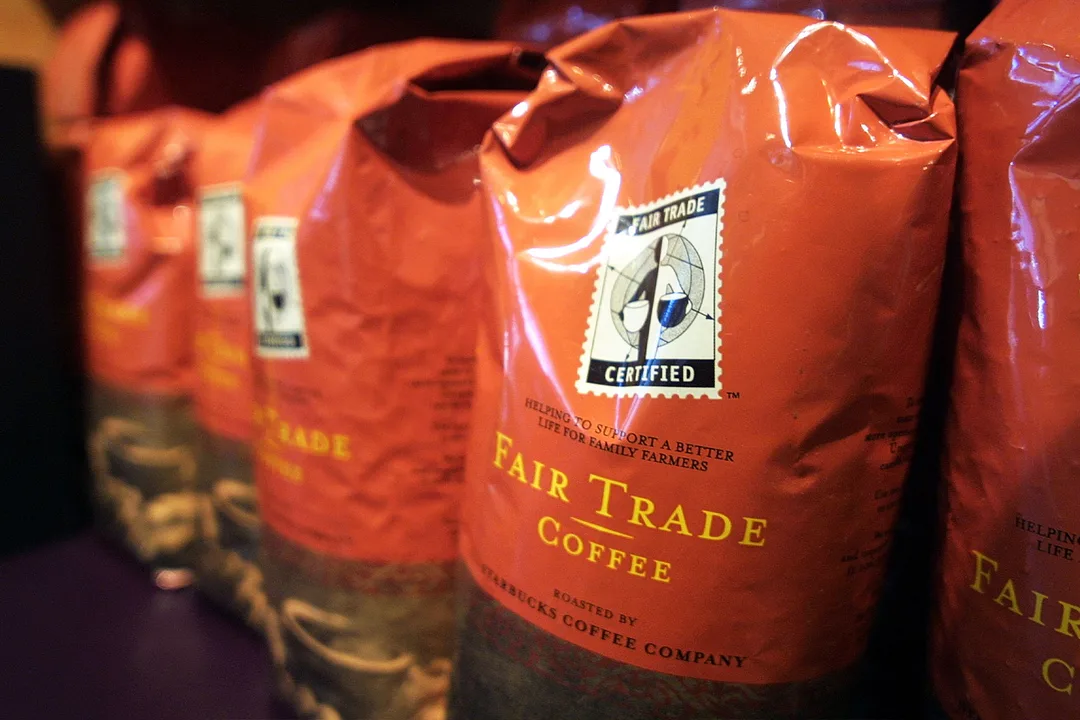
By buying Fairtrade certified products and from Fair Trade Organizations, consumers are also showing that there is another way of doing trade.
On 22- 23 June 2011, the agricultural ministers of the G-20
countries will meet in France to try to find a global solution to these
global challenges.
G-20 leaders should not turn a deaf ear to this loud and clear
message from the 1000 Fair Trade Towns and the Fair Trade movement.
Make Trade Fair
More like this

Make Fair Trade a priority

"Fairtrade in the Hutt City"
1 Comment
Share this petition
Share this petition to help it reach more people.
Your share link
Status: Closed — this petition is no longer accepting signatures.
Final supporters
To accompany the declarations of the 1000th Fairtrade Towns across five continents, the policy statement below will be presented on behalf of the international Fair Trade Towns movement at the G20 Agricultural Ministerial meeting in Paris to be held on 22 -23 June:
The world is facing a food crisis. Demand for food outstripping supply - global food production will have to rise 70 percent by 2050 as the world population expands to 9.1 billion from about 6.8 billion in 2010, according to the United Nations Food and Agriculture Organization (FAO). The threats of climate change, food speculation and rising inequality are all amplifying the impact of this on the poor.
According to a United Nations (UN) study, half the people in the world suffering from hunger in 2005 were smallholder farmers. They are often net buyers of food and so are the first to suffer from high food prices, but are rarely able to capture the benefits when selling their products. They are at the wrong end of both chains.
The race to the bottom triggered by the current food system has also had negative effects on producers and workers who are fighting to make a decent living and implement sustainable economic, environmental and social practices.
Large producer countries, such as the European Union and the
United States, heavily subsidise their own agricultural sector while
putting in place barriers for
imported agricultural products. This has a negative effect on the
possibility for producers disadvantaged by conventional trade (both in
the North and South) to trade their way out of poverty.
The rising awareness of the food crisis means that agriculture is back on the agenda for the global community.
As the agricultural ministers of the G20 meet in France, proposals on global food security and commodities will be at the centre of the debate and we need to keep a clear focus on the need to reform the whole food system. There is a battle on to ensure that the response to the food crisis is based on fairness and justice and not just on producing more and cheaper food.
In addition, the ever increasing pressure to conclude the World Trade Organisation´s Doha Development Round, in a way that truly benefits the poor, and the European Union plans to revise its post-2013 Common Agricultural Policy, provide for a window of opportunity to address the problems.
There is no divide between Southern and Northern farmers. The
real issue at stake is whether and how G-20 leaders will ensure that
current food system and agricultural trade flows contribute to, rather
than hinder, sustainable agriculture and food security, in the South
and in the North. The right to food of the world´s population is at
stake.
With the joint declarations on 4th June including New Koforidua
(Ghana), there will be 1000 towns across the globe that have obtained
the status of Fair Trade Town showing their commitment to Fair Trade
and benefiting directly more than 6 million people in 58 countries.
Fair Trade Towns bring local government, businesses, community organisations and individuals together under the shared vision of fairer, more sustainable trade
By buying Fairtrade certified products and from Fair Trade Organizations, consumers are also showing that there is another way of doing trade.
On 22- 23 June 2011, the agricultural ministers of the G-20
countries will meet in France to try to find a global solution to these
global challenges.
G-20 leaders should not turn a deaf ear to this loud and clear
message from the 1000 Fair Trade Towns and the Fair Trade movement.
Make Trade Fair
1 Comment
its honestly heartbreaking that the people who grow our food are the ones struggling to eat. we need to fix this broken system right now.
Share this petition
Share this petition to help it reach more people.
Your share link
Petitions like this
Other petitions you might want to support





Scan to share
Anyone who scans this can sign the petition.
its honestly heartbreaking that the people who grow our food are the ones struggling to eat. we need to fix this broken system right now.