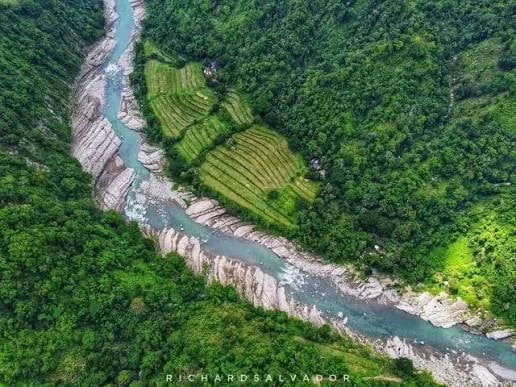

LAYAG – LA UNION CHAPTER OPPOSES THE PROPOSED "River Restoration And Waterway Rehabilitation Ordinance Of La Union" of the Provincial Government of La Union (PGLU)
Layag — La Union Chapter recognizes the Provincial Government of La Union (PGLU) for taking steps to address our province’s growing environmental challenges. The initiative to safeguard our river systems from severe siltation, erosion, and flooding demonstrates a clear commitment to public safety and disaster risk reduction. However, upon careful technical review, we firmly believe that the proposed ordinance contains critical structural flaws that pose serious long-term risks to our marine, aquatic, and coastal ecosystems. Without proper safeguards, the ordinance risks turning ecological rehabilitation into an industrial resource extraction program.
According to the proposed ordinance, our rivers will be restored by means of Desiltation. Desiltation is the process of excavating and removing accumulated sediment, sand, and debris from riverbeds to restore depth, improve water flow, and reduce flooding risks. In simpler terms, desiltation means river dredging – the excavation of material from a water environment (National Ocean Service, 2024). It is a palliative measure that treats the symptom, not the cause of river degradation. Science shows that unguided or continuous river bed extraction carries severe environmental dangers:
- Ecosystem Destruction: Dredging churns up bottom sediments, increasing water turbidity (cloudiness), which starves aquatic life of light, smothers benthic organisms, and destroys fish spawning grounds. (Wenger, A. S., et al., 2017)
- Riverbank Erosion: Excessively removing sediment destabilizes riverbeds and steepens bed gradients which accelerates downstream bank collapse rather than preventing it. (Kodolf, G. M., 1994)
- Re-suspension of Toxins: Disturbing settled river sediments can re-release trapped heavy metals and pollutants directly into the water column which threatens both public health and fisheries. (Umer et al., 2025)
With this, Layag – La Union Chapter asserts the following non-negotiables:
- No to Commercialization – Section 10(J) of the draft ordinance explicitly waives extraction limits under the premise of high sediment replenishment rates, while Section 8 imposes local taxes and commercial fees per cubic meter. River restoration must never be used as a front for commercial quarrying, aggregate sales, or black sand mining. We demand the removal of provisions that allow unlimited extraction. Financial gain should never dictate the volume or depth of sediment removed from our waterways.
- Prioritize Nature-Based Solutions (NbS) – Heavy engineering and mechanical desilting must only be last-resort interventions. We demand that the PGLU prioritize Nature-Based Solutions (NbS) – such as broad riparian re-vegetation using endemic species, watershed re-afforestation, and vegetative buffer zones—which address soil erosion at its root cause.
- Mandatory Veto Power for Local Communities – Consultations must not be treated as a mere formality or procedural checklist. Affected fisherfolk, farmers, Indigenous Peoples, and barangay residents must possess legally binding veto authority (Free, Prior, and Informed Consent) over desilting or heavy engineering operations in their immediate waterways.
- Guaranteed Livelihood Protection and Direct Compensation Mechanisms – An upfront, legally binding Livelihood Guarantee Fund funded directly by proponents—not local taxes—to immediately compensate fisherfolk and farmers for any economic displacement or loss caused by river management operations.
We, along with La Union’s youth organizations, urge the Sangguniang Panlalawigan to pause the enactment of this draft and integrate meaningful revisions that align with ecological science and environmental justice. Our environment should not be compromised in the name of profit.
Stand with us. Sign and share the petition.
For science, truth, innovation, youths, and people,
Layag – La Union Chapter
REFERENCES
- National Ocean Service (2024). What is dredging? . https://oceanservice.noaa.gov/facts/dredging.html
- Wenger, A. S., Harvey, E., Wilson, S., Rawson, C., Newman, S. J., Clarke, D., Saunders, B. J., Browne, N., Travers, M. J., Mcilwain, J. L., Erftemeijer, P. L. A., Hobbs, J. A., Mclean, D., Depczynski, M., & Evans, R. D. (2017). A critical analysis of the direct effects of dredging on fish. Fish and Fisheries, 18(5), 967–985. A critical analysis of the direct effects of dredging on fish - Wenger - 2017 - Fish and Fisheries - Wiley Online Library
- EBSCO (n.d.) . Impact of dredging on water quality and bottom-dwelling organisms | Biology | Research Starters. https://www.ebsco.com/research-starters/biology/impact-dredging-water-quality-and-bottom-dwelling-organisms
- Kondolf, G. M. (1997). PROFILE: Hungry Water: Effects of dams and gravel mining on river channels. Environmental Management, 21(4), 533–551. Hungry water: Effects of dams and gravel mining on river channels (Journal Article) | OSTI.GOV
- Umer, Y., Debele, S. E., Mvula, C., Amarnath, G., Chisola, M. N., & Marti-Cardona, B. (2025). Nature-Based solutions for river restoration and flow management: the case of Kitwe City, Zambia. In Earth Sciences. Nature-Based Solutions for River Restoration and Flow Management: The Case of Kitwe City, Zambia | IntechOpen
2 Comments

No to river dredging and quarrying.
Sign Petition
We never post to your account. Social sign-in is used only to verify your signature.
Add a comment?
Your signature will be added via . Tell others why you're signing — it's optional.
By signing, you accept our Terms and Privacy Policy and agree to occasional emails about petitions. Unsubscribe anytime.
Share this petition
Share this petition to help it reach more people.
Your share link
LAYAG – LA UNION CHAPTER OPPOSES THE PROPOSED "River Restoration And Waterway Rehabilitation Ordinance Of La Union" of the Provincial Government of La Union (PGLU)
Layag — La Union Chapter recognizes the Provincial Government of La Union (PGLU) for taking steps to address our province’s growing environmental challenges. The initiative to safeguard our river systems from severe siltation, erosion, and flooding demonstrates a clear commitment to public safety and disaster risk reduction. However, upon careful technical review, we firmly believe that the proposed ordinance contains critical structural flaws that pose serious long-term risks to our marine, aquatic, and coastal ecosystems. Without proper safeguards, the ordinance risks turning ecological rehabilitation into an industrial resource extraction program.
According to the proposed ordinance, our rivers will be restored by means of Desiltation. Desiltation is the process of excavating and removing accumulated sediment, sand, and debris from riverbeds to restore depth, improve water flow, and reduce flooding risks. In simpler terms, desiltation means river dredging – the excavation of material from a water environment (National Ocean Service, 2024). It is a palliative measure that treats the symptom, not the cause of river degradation. Science shows that unguided or continuous river bed extraction carries severe environmental dangers:
- Ecosystem Destruction: Dredging churns up bottom sediments, increasing water turbidity (cloudiness), which starves aquatic life of light, smothers benthic organisms, and destroys fish spawning grounds. (Wenger, A. S., et al., 2017)
- Riverbank Erosion: Excessively removing sediment destabilizes riverbeds and steepens bed gradients which accelerates downstream bank collapse rather than preventing it. (Kodolf, G. M., 1994)
- Re-suspension of Toxins: Disturbing settled river sediments can re-release trapped heavy metals and pollutants directly into the water column which threatens both public health and fisheries. (Umer et al., 2025)
With this, Layag – La Union Chapter asserts the following non-negotiables:
- No to Commercialization – Section 10(J) of the draft ordinance explicitly waives extraction limits under the premise of high sediment replenishment rates, while Section 8 imposes local taxes and commercial fees per cubic meter. River restoration must never be used as a front for commercial quarrying, aggregate sales, or black sand mining. We demand the removal of provisions that allow unlimited extraction. Financial gain should never dictate the volume or depth of sediment removed from our waterways.
- Prioritize Nature-Based Solutions (NbS) – Heavy engineering and mechanical desilting must only be last-resort interventions. We demand that the PGLU prioritize Nature-Based Solutions (NbS) – such as broad riparian re-vegetation using endemic species, watershed re-afforestation, and vegetative buffer zones—which address soil erosion at its root cause.
- Mandatory Veto Power for Local Communities – Consultations must not be treated as a mere formality or procedural checklist. Affected fisherfolk, farmers, Indigenous Peoples, and barangay residents must possess legally binding veto authority (Free, Prior, and Informed Consent) over desilting or heavy engineering operations in their immediate waterways.
- Guaranteed Livelihood Protection and Direct Compensation Mechanisms – An upfront, legally binding Livelihood Guarantee Fund funded directly by proponents—not local taxes—to immediately compensate fisherfolk and farmers for any economic displacement or loss caused by river management operations.
We, along with La Union’s youth organizations, urge the Sangguniang Panlalawigan to pause the enactment of this draft and integrate meaningful revisions that align with ecological science and environmental justice. Our environment should not be compromised in the name of profit.
Stand with us. Sign and share the petition.
For science, truth, innovation, youths, and people,
Layag – La Union Chapter
REFERENCES
- National Ocean Service (2024). What is dredging? . https://oceanservice.noaa.gov/facts/dredging.html
- Wenger, A. S., Harvey, E., Wilson, S., Rawson, C., Newman, S. J., Clarke, D., Saunders, B. J., Browne, N., Travers, M. J., Mcilwain, J. L., Erftemeijer, P. L. A., Hobbs, J. A., Mclean, D., Depczynski, M., & Evans, R. D. (2017). A critical analysis of the direct effects of dredging on fish. Fish and Fisheries, 18(5), 967–985. A critical analysis of the direct effects of dredging on fish - Wenger - 2017 - Fish and Fisheries - Wiley Online Library
- EBSCO (n.d.) . Impact of dredging on water quality and bottom-dwelling organisms | Biology | Research Starters. https://www.ebsco.com/research-starters/biology/impact-dredging-water-quality-and-bottom-dwelling-organisms
- Kondolf, G. M. (1997). PROFILE: Hungry Water: Effects of dams and gravel mining on river channels. Environmental Management, 21(4), 533–551. Hungry water: Effects of dams and gravel mining on river channels (Journal Article) | OSTI.GOV
- Umer, Y., Debele, S. E., Mvula, C., Amarnath, G., Chisola, M. N., & Marti-Cardona, B. (2025). Nature-Based solutions for river restoration and flow management: the case of Kitwe City, Zambia. In Earth Sciences. Nature-Based Solutions for River Restoration and Flow Management: The Case of Kitwe City, Zambia | IntechOpen
2 Comments
I am signing against on what they so called "river restoration" But behind this good name is river dredging that will destroy the natural habitat of the fish. Like no reforestation can be of what we have now.
No to river dredging and quarrying.
Help this petition grow
Share it with friends to help reach 50 signatures.
Sign Petition
We never post to your account. Social sign-in is used only to verify your signature.
Add a comment?
Your signature will be added via .
Tell others why you're signing — it's optional.
Signing with Google or Facebook verifies your signature instantly — no email needed.
By signing, you accept our Terms and Privacy Policy and agree to occasional emails about petitions. Unsubscribe anytime.
Share this petition
Share this petition to help it reach more people.
Your share link
Petitions like this
Other petitions you might want to support


Scan to share
Anyone who scans this can sign the petition.
I am signing against on what they so called "river restoration" But behind this good name is river dredging that will destroy the natural habitat of the fish. Like no reforestation can be of what we have now.