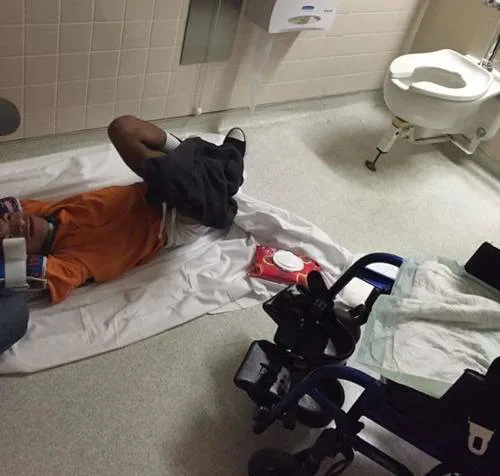
Growing up with a family member who uses a wheelchair, I have witnessed firsthand the daily struggles and challenges that persons with disabilities face. Every outing is fraught with obstacles, from encountering staircases without ramps, to navigating through poorly designed public transport systems. This issue is not just about convenience; it's about basic human rights and dignity. It is time for our cities to become truly inclusive and accessible for everyone.
The current state of accessibility in many public spaces and transport systems is alarmingly inadequate. According to the World Health Organization, approximately 15% of the world's population experiences some form of disability, yet our infrastructure continues to be built without them in mind. Inadequate facilities not only hinder their mobility but also limit their opportunities to participate fully in society.
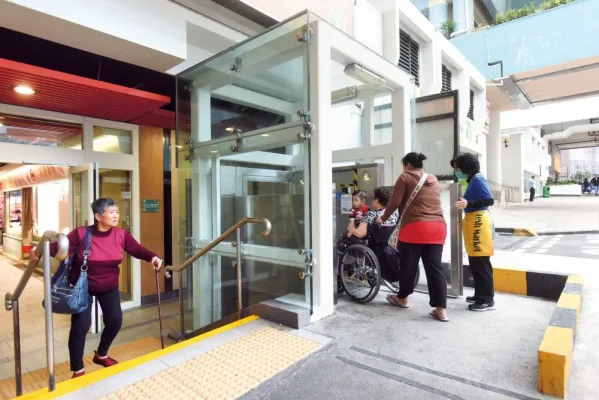
Public places such as parks, libraries, bus stands, railway stations, and even schools must cater to the needs of individuals with disabilities. This includes installing ramps, specially designed walkways, adequate signage, and lift facilities to ensure a seamless experience for all. Transport vehicles should also be equipped with necessary modifications such as wheelchair lifts or low-entry features to ease boarding.
It is crucial that authorities at all levels understand the urgency of this matter and act to enforce accessible design standards universally. Investment in accessible infrastructure is not merely a legislative obligation; it's a step towards an inclusive society where everyone has equal opportunities.