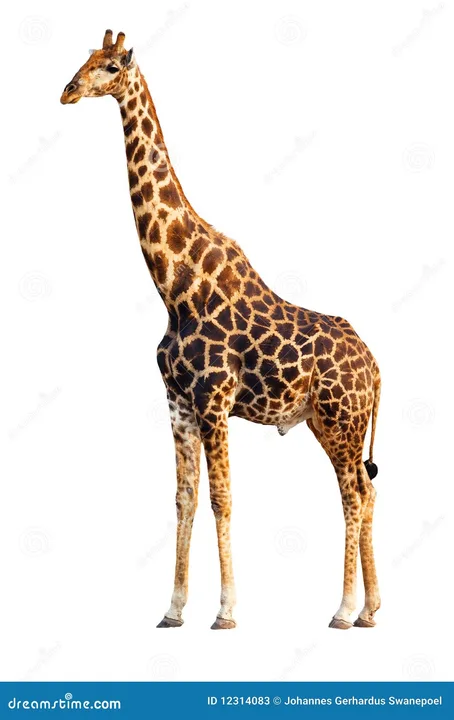
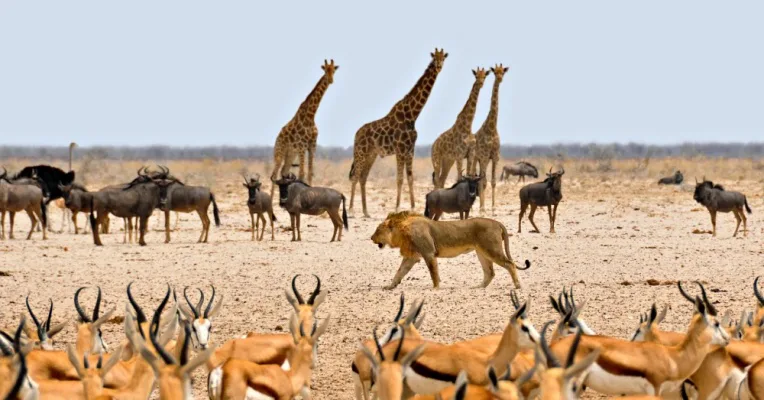
Giraffes are one of the most distinctive animals in the African savanna, but their future depends on more than admiration for their beauty. Their long necks, patterned coats, and calm presence only remain part of the landscape if the habitats they need are protected.
The problem is that savanna habitat is being broken up, degraded, and steadily pushed aside by human pressure. When open land is lost or fragmented, giraffes have fewer places to feed, move, and raise their young. If that trend continues, the result is not just fewer giraffes in the wild, but a weaker savanna ecosystem for many other species as well.
This affects local communities, conservation workers, and everyone who values wildlife. Giraffes are a visible symbol of healthy savanna country, and when they disappear from an area, it often signals that the wider environment is under stress. Without action, future generations may know giraffes only from photographs instead of seeing them alive in the wild.
The solution is clear: protect giraffe habitat, maintain wildlife corridors, and strengthen conservation measures in the areas where giraffes still live. That means keeping key grazing and migration areas intact, supporting rangers and protected-area management, and making sure development decisions do not erase the open landscapes giraffes rely on.
We ask the relevant wildlife authorities, park agencies, and government decision-makers to adopt and fund stronger giraffe conservation measures now, and to place habitat protection at the center of any land-use planning affecting giraffe range areas. If we want giraffes to remain part of Africa’s natural heritage, their habitat must be treated as something worth preserving today, not after it is already gone.
Zambia Explained in 9 Minutes
Comments
No comments yet.
Sign Petition
We never post to your account. Social sign-in is used only to verify your signature.
Add a comment?
Your signature will be added via . Tell others why you're signing — it's optional.
By signing, you accept our Terms and Privacy Policy and agree to occasional emails about petitions. Unsubscribe anytime.
Share this petition
Share this petition to help it reach more people.
Your share link
Giraffes are one of the most distinctive animals in the African savanna, but their future depends on more than admiration for their beauty. Their long necks, patterned coats, and calm presence only remain part of the landscape if the habitats they need are protected.
The problem is that savanna habitat is being broken up, degraded, and steadily pushed aside by human pressure. When open land is lost or fragmented, giraffes have fewer places to feed, move, and raise their young. If that trend continues, the result is not just fewer giraffes in the wild, but a weaker savanna ecosystem for many other species as well.
This affects local communities, conservation workers, and everyone who values wildlife. Giraffes are a visible symbol of healthy savanna country, and when they disappear from an area, it often signals that the wider environment is under stress. Without action, future generations may know giraffes only from photographs instead of seeing them alive in the wild.
The solution is clear: protect giraffe habitat, maintain wildlife corridors, and strengthen conservation measures in the areas where giraffes still live. That means keeping key grazing and migration areas intact, supporting rangers and protected-area management, and making sure development decisions do not erase the open landscapes giraffes rely on.
We ask the relevant wildlife authorities, park agencies, and government decision-makers to adopt and fund stronger giraffe conservation measures now, and to place habitat protection at the center of any land-use planning affecting giraffe range areas. If we want giraffes to remain part of Africa’s natural heritage, their habitat must be treated as something worth preserving today, not after it is already gone.
Zambia Explained in 9 Minutes
Comments
No comments yet.
Help this petition grow
Share it with friends to help reach 50 signatures.
Sign Petition
We never post to your account. Social sign-in is used only to verify your signature.
Add a comment?
Your signature will be added via .
Tell others why you're signing — it's optional.
Signing with Google or Facebook verifies your signature instantly — no email needed.
By signing, you accept our Terms and Privacy Policy and agree to occasional emails about petitions. Unsubscribe anytime.
Share this petition
Share this petition to help it reach more people.
Your share link
Petitions like this
Other petitions you might want to support



Scan to share
Anyone who scans this can sign the petition.