The federal government has officially committed to revising these water policies to balance the needs of our agricultural communities. This outcome confirms that our focus on human livelihoods and food security carries genuine weight in the national conversation. We will remain observant to ensure these changes are implemented as promised.
May 15, 2016


Final supporters
To the President of the United States and members of the United States Congress:
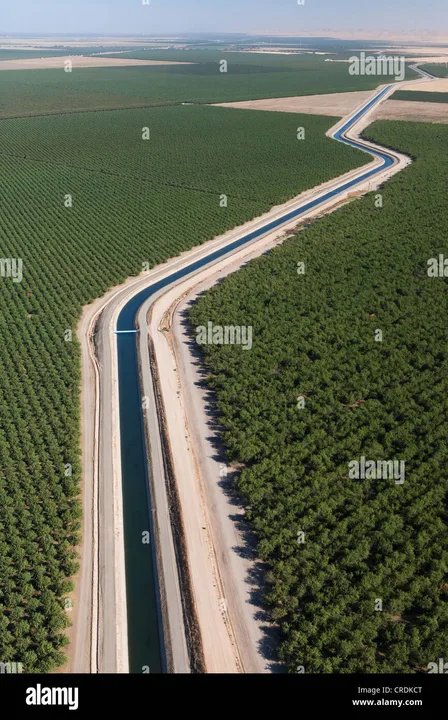
California’s Central Valley is the most productive agricultural land in the world, where a quarter of America’s food is produced.
But because of federal water policies, more than a trillion gallons of water have been diverted from Central Valley farms and towns and flushed out to sea in a failing effort to save the Delta Smelt, which biologists say will soon be extinct.
As a result of these water policies, nearly a million acres of farmland have been forced out of production, orchards are being destroyed, and farms and families are suffering severe economic hardship, with thousands of lost jobs and billions of dollars in lost economic opportunity.
Despite this winter’s welcome and abundant El Niño rains, federal regulators have announced plans to further decrease water deliveries to the Central Valley, which is unacceptable.
We respectfully ask that federal water deliveries to the Central Valley be restored, that additional water storage be built in California, and that federal laws and policies be reformed so families, farms, jobs and our economy are valued equally with fish and other environmental causes. Protecting one should not result in the destruction of the other.
Achieving this essential balance will help us continue producing the food needed to feed America and a hungry world.
Updates
Reached 100 supporters
May 4, 2016
42 Comments
People have to realize that farming affects all of us here in the valley, almost all industry has moved out and know with the water shortage it's hurting what job's we have left. Protect our water now.
We need to put the needs of humans above the needs of a bait fish. It is important to keep the farming community working to ensure that no one goes hungry. Some of the crops grown in the Central Valley are not grown anywhere else, so we need to ensure that these crops do not become extinct.
Current policy is a failure. Letting the most productive land in the world lie fallow is not rational. Build the water storage and bring back the water and lost agriculture to the valley.
We farm just under 3,000 acres and have 2 dairies. Water is our livelihood! Thank you for working on building more storage instead of letting it be wasted out in the ocean.
Policies whether environmental or not, should have to show dramatic results when their very existence ruins an economy in a significant portion of a state. These policies are doing just that and have produced zero results.
Our state must pay attention to what water is available, including our aquifers. We need to look beyond an endangered species, and share water a lot more wisely than we did a hundred years ago. We irrigators can learn how, from Natural Resource Conservation Service. We don't need to grow the thirstiest crops, or waste water. And we sure don't need big lawns, huge homes, or golf course turf. (In 1900, San Diego hotel patrons played golf on a sandy beach course)
Who would conceive of taking this fertile farmland off the map and harming all in the process?WHO is that insane?
Share this petition
Share this petition to help it reach more people.
Your share link
The federal government has officially committed to revising these water policies to balance the needs of our agricultural communities. This outcome confirms that our focus on human livelihoods and food security carries genuine weight in the national conversation. We will remain observant to ensure these changes are implemented as promised.
May 15, 2016
Final supporters
To the President of the United States and members of the United States Congress:
California’s Central Valley is the most productive agricultural land in the world, where a quarter of America’s food is produced.
But because of federal water policies, more than a trillion gallons of water have been diverted from Central Valley farms and towns and flushed out to sea in a failing effort to save the Delta Smelt, which biologists say will soon be extinct.
As a result of these water policies, nearly a million acres of farmland have been forced out of production, orchards are being destroyed, and farms and families are suffering severe economic hardship, with thousands of lost jobs and billions of dollars in lost economic opportunity.
Despite this winter’s welcome and abundant El Niño rains, federal regulators have announced plans to further decrease water deliveries to the Central Valley, which is unacceptable.
We respectfully ask that federal water deliveries to the Central Valley be restored, that additional water storage be built in California, and that federal laws and policies be reformed so families, farms, jobs and our economy are valued equally with fish and other environmental causes. Protecting one should not result in the destruction of the other.
Achieving this essential balance will help us continue producing the food needed to feed America and a hungry world.
Updates
Reached 100 supporters
May 4, 2016
42 Comments
It is imperative that we protect our food supply. We cannot tolerate a shortage of water to the Central Valley Farms that feed our nation. While we might import crude oil or other things, we cannot become dependent on imported our food!
People have to realize that farming affects all of us here in the valley, almost all industry has moved out and know with the water shortage it's hurting what job's we have left. Protect our water now.
We need to put the needs of humans above the needs of a bait fish. It is important to keep the farming community working to ensure that no one goes hungry. Some of the crops grown in the Central Valley are not grown anywhere else, so we need to ensure that these crops do not become extinct.
Current policy is a failure. Letting the most productive land in the world lie fallow is not rational. Build the water storage and bring back the water and lost agriculture to the valley.
We farm just under 3,000 acres and have 2 dairies. Water is our livelihood! Thank you for working on building more storage instead of letting it be wasted out in the ocean.
Policies whether environmental or not, should have to show dramatic results when their very existence ruins an economy in a significant portion of a state. These policies are doing just that and have produced zero results.
Our state must pay attention to what water is available, including our aquifers. We need to look beyond an endangered species, and share water a lot more wisely than we did a hundred years ago. We irrigators can learn how, from Natural Resource Conservation Service. We don't need to grow the thirstiest crops, or waste water. And we sure don't need big lawns, huge homes, or golf course turf. (In 1900, San Diego hotel patrons played golf on a sandy beach course)
Who would conceive of taking this fertile farmland off the map and harming all in the process?WHO is that insane?
Share this petition
Share this petition to help it reach more people.
Your share link
Petitions like this
Other petitions you might want to support




Scan to share
Anyone who scans this can sign the petition.
It is imperative that we protect our food supply. We cannot tolerate a shortage of water to the Central Valley Farms that feed our nation. While we might import crude oil or other things, we cannot become dependent on imported our food!