The government finally committed to real protection measures for the remaining females. We dragged them into action and they finally acknowledged the crisis. Keep watching them closely because we will not let them walk back on these promises.
November 11, 2016

Final supporters
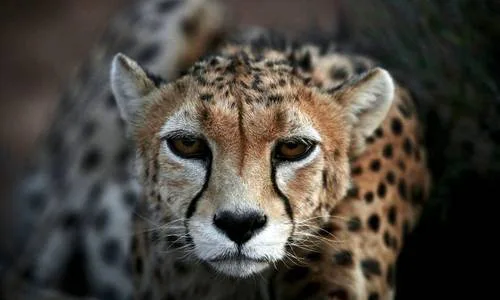
Only two female Asiatic cheetahs remain in wild in Iran
Conservationists say only two female Asiatic cheetahs are known to be alive in the wild in Iran, which hosts the last surviving population.
Asiatic cheetahs, also known as Iranian cheetahs, are a subspecies of the fastest animal on earth and classified as critically endangered, with fewer than 40 believed to remain in Iran.
As part of efforts to raise the animal’s profile, in the past decade cheetahs have been displayed on the national football team’s kit and on stamps, but it has become increasingly imperilled.
Tuesday was Iran’s national cheetah day, marking an event more than two decades ago when a cub named Marita survived an attack by a group of villagers in which his mother and two siblings were killed. Marita became a national symbol.
Morteza Eslami, head of the Iranian Cheetah Society (ICS), a Tehran-based NGO, said camera traps in areas with the most Asiatic cheetahs had seen just two females in recent months.
“The situation is very critical,” he said. “We have been monitoring the situation closely in the past five years and the population of female Asiatic cheetahs has significantly dropped.”
Delaram Ashayeri, an independent conservationist, said: “Unfortunately the number of female cheetahs has been dwindling. In areas where camera traps have been operating for a long time … we are not seeing many female cheetahs or we’re seeing only carcasses.”
In the past 15 years, 48 cheetahs are believed to have died, seven from natural causes, 21 at the hands of farmers, 15 in car accidents and five as a result of hunting.
Of the two female cheetahs believed to be still alive, one is in Turan national park and the other in the nearby Miandasht reserve.
“In some of our other environmental areas we haven’t had any reports of female cheetahs for at least two years now, including in an area near the city of Yazd where only four male cheetahs survive,” Eslami said.
Two Asiatic cheetahs – a male, Koushki, and a female, Delbar – are held in captivity at Tehran’s Pardisan Park research centre. They have not yet successfully mated.
Eslami said the fate of Asiatic cheetahs was important because two other big cats, the Caspian tiger and Persian lion, had become extinct in Iran. The Caspian tiger is extinct worldwide; a small population of Persian lions remains in India.
ICS has launched an online petition calling on the president, Hassan Rouhani, to intervene, including to prevent the construction of new roads and mines close to the natural habitats, erect fences around existing roads, increase the number of conservationists and encourage greater participation of indigenous people.
Eslami said despite last year’s nuclear agreement which resulted in the removal of sanctions, Iranian conservationists still had limited access to international funding and equipment.
“I don’t want to sound pessimistic because if
it wasn’t for the past work of conservationists, cheetahs would have become
extinct by now, but despite the critical situation, we still have hope today,”
Eslami said. “But more needs to be done.”
Resource :https://www.theguardian.com/environment/2016/aug/3...
Please share this in any way that you can. Help us save the Cheetahs :(
:(دوستان لطفا به هر نحوی که قادر هستید اطلاع رسانی کنید. در نجات یوزهای ایرانی سهیم باشیم
Updates
September 2, 2016
The massive surge in support for these cheetahs proves that people are finally waking up to the negligence of the Iranian authorities. We have real momentum now and it is time to force the government to stop their pathetic indifference before these animals disappear forever.
Reached 100 supporters
September 2, 2016
20 Comments
خواهان رسیدگی سریع به این موضوع هستیم لطفا در حفظ نسل این حیوان تمام تباش خدد را انمام دهید
Both cheetah species (African and Asian) are getting closer to extinction. Losing one or both species is not an option. Everything must be done to save them.
We cant let any more species of animal dissapear off the face of the earth the. No more mas extictions
This is so sad. We are failing these beautiful creatures. We need to do more to protect their habitat before it is too late.
واقعا دردناکه که فقط دو تا ماده باقی مونده. مسئولین چرا خوابن؟ باید قبل از اینکه نسلشون کاملا منقرض بشه یه کاری کرد. یوز ایرانی افتخار ماست
Please protect these animals
Save the wild planet.
Share this petition
Share this petition to help it reach more people.
Your share link
The government finally committed to real protection measures for the remaining females. We dragged them into action and they finally acknowledged the crisis. Keep watching them closely because we will not let them walk back on these promises.
November 11, 2016
Final supporters
Only two female Asiatic cheetahs remain in wild in Iran
Conservationists say only two female Asiatic cheetahs are known to be alive in the wild in Iran, which hosts the last surviving population.
Asiatic cheetahs, also known as Iranian cheetahs, are a subspecies of the fastest animal on earth and classified as critically endangered, with fewer than 40 believed to remain in Iran.
As part of efforts to raise the animal’s profile, in the past decade cheetahs have been displayed on the national football team’s kit and on stamps, but it has become increasingly imperilled.
Tuesday was Iran’s national cheetah day, marking an event more than two decades ago when a cub named Marita survived an attack by a group of villagers in which his mother and two siblings were killed. Marita became a national symbol.
Morteza Eslami, head of the Iranian Cheetah Society (ICS), a Tehran-based NGO, said camera traps in areas with the most Asiatic cheetahs had seen just two females in recent months.
“The situation is very critical,” he said. “We have been monitoring the situation closely in the past five years and the population of female Asiatic cheetahs has significantly dropped.”
Delaram Ashayeri, an independent conservationist, said: “Unfortunately the number of female cheetahs has been dwindling. In areas where camera traps have been operating for a long time … we are not seeing many female cheetahs or we’re seeing only carcasses.”
In the past 15 years, 48 cheetahs are believed to have died, seven from natural causes, 21 at the hands of farmers, 15 in car accidents and five as a result of hunting.
Of the two female cheetahs believed to be still alive, one is in Turan national park and the other in the nearby Miandasht reserve.
“In some of our other environmental areas we haven’t had any reports of female cheetahs for at least two years now, including in an area near the city of Yazd where only four male cheetahs survive,” Eslami said.
Two Asiatic cheetahs – a male, Koushki, and a female, Delbar – are held in captivity at Tehran’s Pardisan Park research centre. They have not yet successfully mated.
Eslami said the fate of Asiatic cheetahs was important because two other big cats, the Caspian tiger and Persian lion, had become extinct in Iran. The Caspian tiger is extinct worldwide; a small population of Persian lions remains in India.
ICS has launched an online petition calling on the president, Hassan Rouhani, to intervene, including to prevent the construction of new roads and mines close to the natural habitats, erect fences around existing roads, increase the number of conservationists and encourage greater participation of indigenous people.
Eslami said despite last year’s nuclear agreement which resulted in the removal of sanctions, Iranian conservationists still had limited access to international funding and equipment.
“I don’t want to sound pessimistic because if
it wasn’t for the past work of conservationists, cheetahs would have become
extinct by now, but despite the critical situation, we still have hope today,”
Eslami said. “But more needs to be done.”
Resource :https://www.theguardian.com/environment/2016/aug/3...
Please share this in any way that you can. Help us save the Cheetahs :(
:(دوستان لطفا به هر نحوی که قادر هستید اطلاع رسانی کنید. در نجات یوزهای ایرانی سهیم باشیم
Updates
September 2, 2016
The massive surge in support for these cheetahs proves that people are finally waking up to the negligence of the Iranian authorities. We have real momentum now and it is time to force the government to stop their pathetic indifference before these animals disappear forever.
Reached 100 supporters
September 2, 2016
20 Comments
دوستان خواهش می کنم این لینک این طومار رو هر چه سریع تر وبیشتر منتشر کنید تا افراد بیشتر امضاء کنن. تعداد امضا ها که زیاد شد مراجع بین المللی سریع تر ترتیب اثر میدن. کمک کنین
خواهان رسیدگی سریع به این موضوع هستیم لطفا در حفظ نسل این حیوان تمام تباش خدد را انمام دهید
Both cheetah species (African and Asian) are getting closer to extinction. Losing one or both species is not an option. Everything must be done to save them.
We cant let any more species of animal dissapear off the face of the earth the. No more mas extictions
This is so sad. We are failing these beautiful creatures. We need to do more to protect their habitat before it is too late.
واقعا دردناکه که فقط دو تا ماده باقی مونده. مسئولین چرا خوابن؟ باید قبل از اینکه نسلشون کاملا منقرض بشه یه کاری کرد. یوز ایرانی افتخار ماست
Please protect these animals
Save the wild planet.
Share this petition
Share this petition to help it reach more people.
Your share link
Petitions like this
Other petitions you might want to support


Scan to share
Anyone who scans this can sign the petition.
دوستان خواهش می کنم این لینک این طومار رو هر چه سریع تر وبیشتر منتشر کنید تا افراد بیشتر امضاء کنن. تعداد امضا ها که زیاد شد مراجع بین المللی سریع تر ترتیب اثر میدن. کمک کنین