Status: Closed — this petition is no longer accepting signatures.

Final supporters
More like this

Save the Black Rhino From Extinction!

Save the Mountain Gorillas!
Updates
May 2, 2017
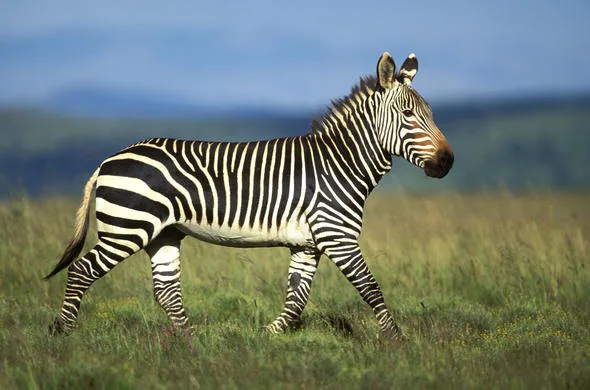
The momentum is incredible. Seeing this response proves people truly care about saving these zebras.
11 Comments
Stop taking our wildlife habitats and stop killing wildlife people. We have to learn to exist alongside each other and share the space we have.
Stop hunting and killing these poor, innocent, helpless, and defenseless Zebras ! Further, STOP destroying their natural habitat ! You ought to be ashamed of yourselves!
Stop the Endless Slaughter of God's Creation!!!!
...
Stop hunting and killing these poor, innocent, helpless, defenseless zabras.
Stop hunting and killind poor defenceless animals!!! Leave them alone!!!
Leave the zebras alone
Share this petition
Share this petition to help it reach more people.
Your share link
Status: Closed — this petition is no longer accepting signatures.
Final supporters
Updates
May 2, 2017
The momentum is incredible. Seeing this response proves people truly care about saving these zebras.
11 Comments
Please, continue making big efforts to protect the Cape Mountain Zebra. Its presence is relevant in the ecosystem. And it also has an emotional value for many worlwide humans who wish to see these wonderful animals living free in their natural habitat.
Stop taking our wildlife habitats and stop killing wildlife people. We have to learn to exist alongside each other and share the space we have.
Stop hunting and killing these poor, innocent, helpless, and defenseless Zebras ! Further, STOP destroying their natural habitat ! You ought to be ashamed of yourselves!
Stop the Endless Slaughter of God's Creation!!!!
...
Stop hunting and killing these poor, innocent, helpless, defenseless zabras.
Stop hunting and killind poor defenceless animals!!! Leave them alone!!!
Leave the zebras alone
Share this petition
Share this petition to help it reach more people.
Your share link
Petitions like this
Other petitions you might want to support



Scan to share
Anyone who scans this can sign the petition.
Please, continue making big efforts to protect the Cape Mountain Zebra. Its presence is relevant in the ecosystem. And it also has an emotional value for many worlwide humans who wish to see these wonderful animals living free in their natural habitat.