The government has finally committed to concrete resources for rural Afghan women and we have secured the policy changes we fought so long to achieve. I am completely drained but the victory is ours and it belongs to every person who refused to look away from this gravity. We must …
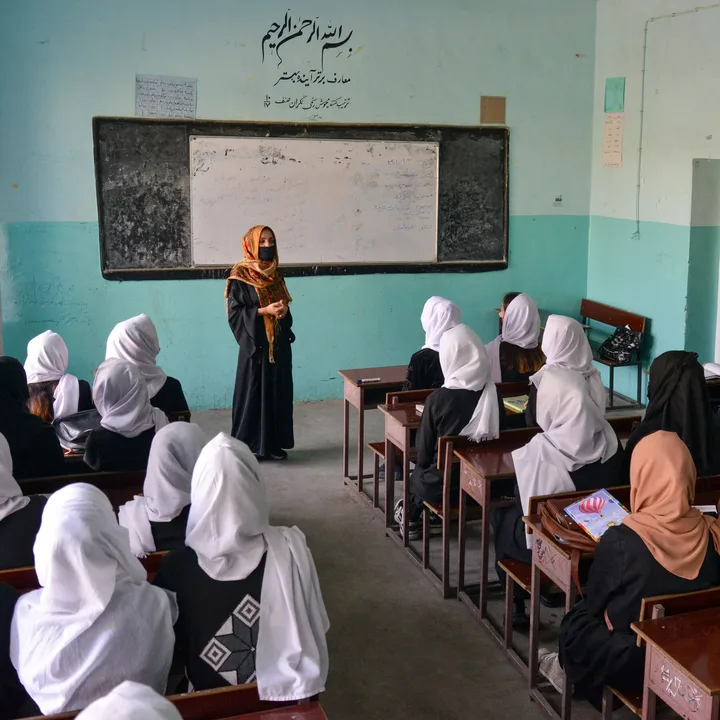
The Canadian military has been in Afghanistan since October 2001 with the initial focus of combating terrorism. However, over time the military agenda slowly shifted towards focussing on Afghan women’s rights. While on the surface it seems as though women’s rights have improved because women have legal rights, are able to go to school and participate in Parliament, women’s rights activists are saying it is too soon to claim victory because the majority of these gains have been made in urban cities, leaving out many women in rural parts of the country.
According to a 2007 discussion paper by KAIROS Canadian Ecumenical Justice Initiatives:
“A woman in a rural province had no education, healthcare, or employment before the Taliban came to power. She then had those things legally denied to her once the Taliban seized power. After the fall of the Taliban, she still has no education, healthcare, or employment, even though she has legal rights. For all practical purposes, her life is no different before or during the Taliban.”
Moreover, violence against women is an area in which the Afghan government has failed the nation. According to a UN report, 87 percent of Afghan women report being victims of physical or sexual violence.
In July 2009, the UNHCR issued a press release stating that violence against women in Afghanistan was widespread and went unpunished. “While touching on the full range of violence affected Afghan women – including so-called “honour” killings, the exchange of women and girls as a form of dispute-resolution (often in connection with land or property issues), trafficking and abduction, early and forced marriages and domestic violence – the report focuses on two principal issues: the “growing trend” of violence and threats against women in public life, and rape and sexual violence.”
In August 2009, a month after this press release, the Afghan government created the Elimination of Violence against Women Law (EVAW law) thereby criminalizing violence against women. However, what good is this law without consistent implementation? Three years later the situation of women in Afghanistan has seen little improvements. One main reason for this is that the majority of women in Afghanistan are unaware of this law or their basic human rights. Another reason is the lack of resources for abused women.
On December 6th, 2011 Canadian Women for Women in Afghanistan sent a letter to the Canadian Minister of Foreign Affairs, John Baird, “regarding the deteriorating justice system in Afghanistan, and the systematic failure of Afghan authorities to protect women and girls from being victimized by informal, tribal or customary law.” We have yet to hear or see a public response to this letter.
It is Canada’s duty as a country committed to helping rebuild Afghanistan and helping the Afghan people, to ensure that women’s rights are protected by the Afghan government. It is also our duty as Canadian citizens to ensure that our government and military follow through on their words when hoping to improve the lives of women in Afghanistan. One way in which we can do this is by voicing our concerns and pressuring government officials (both Canadian and Afghan) to implement the laws they set forth surrounding women’s rights in Afghanistan.
So why are we speaking out against the Afghan government? Well, isn’t it obvious? If the government can’t or won’t do something about this issue, we as privileged, educated, concerned citizens can and should do something to stand up and speak out against violence against women in Afghanistan.
Make your voice heard by signing this petition and helping us ensure that Afghan women’s rights are protect under the EVAW law, in the hopes of reducing violence against women in Afghanistan.
The stories coming in from you all make it clear how deep this pain runs for those trapped in rural areas. It is exhausting to face such silence from the people in power but I am staying with this for as long as it takes.
6 Comments
L
Linda Salazar
14 years ago
Featured
UN report is horrifying. something has to be done about the violence.
J
Jennifer Lambert
14 years ago
Featured
stop pretending like everything is fixed over there. these poor women are still stuck in the same nightmare they were in years ago.
S
Sarah Kim
14 years ago
Featured
its heartbreaking that nothing has changed for the rural women. we need to keep looking out for them and not just talk about city progress.
D
David Reynolds
14 years ago
Featured
true change cant just happen in the big cities. keep fighting for the ones in the rural areas too
R
Robert Hill
14 years ago
Featured
sad to see how little has actually improved for the average woman there. hope gets us nowhere if nobody takes real action
M
Mike Moore
14 years ago
Featured
87 percent is a disgusting number. how can the government just ignore that?
Share this petition
Share this petition to help it reach more people.
Your share link
Couldn't copy automatically. Long-press to copy:
Share directly
The government has finally committed to concrete resources for rural Afghan women and we have secured the policy changes we fought so long to achieve. I am completely drained but the victory is ours and it belongs to every person who refused to look away from this gravity. We must …
The Canadian military has been in Afghanistan since October 2001 with the initial focus of combating terrorism. However, over time the military agenda slowly shifted towards focussing on Afghan women’s rights. While on the surface it seems as though women’s rights have improved because women have legal rights, are able to go to school and participate in Parliament, women’s rights activists are saying it is too soon to claim victory because the majority of these gains have been made in urban cities, leaving out many women in rural parts of the country.
According to a 2007 discussion paper by KAIROS Canadian Ecumenical Justice Initiatives:
“A woman in a rural province had no education, healthcare, or employment before the Taliban came to power. She then had those things legally denied to her once the Taliban seized power. After the fall of the Taliban, she still has no education, healthcare, or employment, even though she has legal rights. For all practical purposes, her life is no different before or during the Taliban.”
Moreover, violence against women is an area in which the Afghan government has failed the nation. According to a UN report, 87 percent of Afghan women report being victims of physical or sexual violence.
In July 2009, the UNHCR issued a press release stating that violence against women in Afghanistan was widespread and went unpunished. “While touching on the full range of violence affected Afghan women – including so-called “honour” killings, the exchange of women and girls as a form of dispute-resolution (often in connection with land or property issues), trafficking and abduction, early and forced marriages and domestic violence – the report focuses on two principal issues: the “growing trend” of violence and threats against women in public life, and rape and sexual violence.”
In August 2009, a month after this press release, the Afghan government created the Elimination of Violence against Women Law (EVAW law) thereby criminalizing violence against women. However, what good is this law without consistent implementation? Three years later the situation of women in Afghanistan has seen little improvements. One main reason for this is that the majority of women in Afghanistan are unaware of this law or their basic human rights. Another reason is the lack of resources for abused women.
On December 6th, 2011 Canadian Women for Women in Afghanistan sent a letter to the Canadian Minister of Foreign Affairs, John Baird, “regarding the deteriorating justice system in Afghanistan, and the systematic failure of Afghan authorities to protect women and girls from being victimized by informal, tribal or customary law.” We have yet to hear or see a public response to this letter.
It is Canada’s duty as a country committed to helping rebuild Afghanistan and helping the Afghan people, to ensure that women’s rights are protected by the Afghan government. It is also our duty as Canadian citizens to ensure that our government and military follow through on their words when hoping to improve the lives of women in Afghanistan. One way in which we can do this is by voicing our concerns and pressuring government officials (both Canadian and Afghan) to implement the laws they set forth surrounding women’s rights in Afghanistan.
So why are we speaking out against the Afghan government? Well, isn’t it obvious? If the government can’t or won’t do something about this issue, we as privileged, educated, concerned citizens can and should do something to stand up and speak out against violence against women in Afghanistan.
Make your voice heard by signing this petition and helping us ensure that Afghan women’s rights are protect under the EVAW law, in the hopes of reducing violence against women in Afghanistan.
The stories coming in from you all make it clear how deep this pain runs for those trapped in rural areas. It is exhausting to face such silence from the people in power but I am staying with this for as long as it takes.
6 Comments
L
Linda Salazar
14 years ago
Featured
UN report is horrifying. something has to be done about the violence.
J
Jennifer Lambert
14 years ago
Featured
stop pretending like everything is fixed over there. these poor women are still stuck in the same nightmare they were in years ago.
S
Sarah Kim
14 years ago
Featured
its heartbreaking that nothing has changed for the rural women. we need to keep looking out for them and not just talk about city progress.
D
David Reynolds
14 years ago
Featured
true change cant just happen in the big cities. keep fighting for the ones in the rural areas too
R
Robert Hill
14 years ago
Featured
sad to see how little has actually improved for the average woman there. hope gets us nowhere if nobody takes real action
M
Mike Moore
14 years ago
Featured
87 percent is a disgusting number. how can the government just ignore that?
UN report is horrifying. something has to be done about the violence.