Status: Closed — this petition is no longer accepting signatures.

Final supporters
This petition was created to raise awareness of harmful fishing practices in the hope for consumers and businesses to cease these practices and get stronger legislative laws to ensure the safety of marine life.
Sign this petition if you agree with this mission statement.
Below are a list of harmful fishing practices:
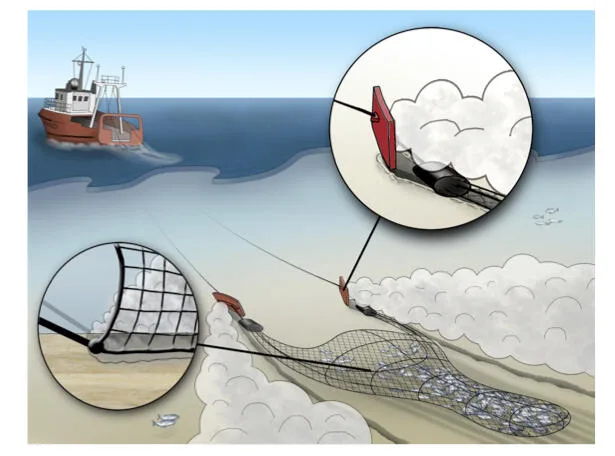
Bottom Trawling: Industrial trawlers once avoided coral reefs and other rocky regions of the ocean floor because their nets would snag and tear. But the introduction of rockhopper trawls in the 1980s changed this. These trawls are fitted with large rubber tires or rollers that allow the net to pass easily over any rough surface. The largest, with heavy rollers over 75cm in diameter, are very powerful, capable of moving boulders weighing 25 tonnes. Now, most of the ocean floor can be trawled down to a depth of 2,000m.
Cyanide Fishing: In this technique, fishers squirt sodium cyanide into the water to stun fish without killing them, making them easy to catch. Cyanide fishing on coral reefs began in the 1960s to supply the international aquarium trade. But since the early 1980s, a much bigger, more profitable business has emerged: supplying live reef fish for the restaurants of Hong Kong, Singapore, and, increasingly, mainland China. Some 20,000 tonnes of live fish are eaten annually in the restaurants of Hong Kong - and for every live fish caught using cyanide, a square metre of their coral reef home is killed.
Ghost Fishing: Ghost fishing occurs when fishing gear is lost or abandoned at sea. The gear can continue to catch fish, dolphins, whales, turtles, and other creatures as it drifts through the water and after it becomes snagged on the seabed. When driftnets were used on the High Seas, an estimated 1,000km of ghost nets were released each year into the North Pacific Ocean alone.
More like this
Stop Bottom Trawling In The Northern Beaches, Sydney

Help stop destructive fishing practices to prevent further damages made t coral…
7 Comments
we need stronger legislative laws to ensure marine life. These points are relative to making consumers aware. Excellent coverage
Great topic
Josh, a worthwile cause keep up the good work
keep our food safe
YAY@
Crazy about the ghost fishing. That's seems reckless!
Share this petition
Share this petition to help it reach more people.
Your share link
Status: Closed — this petition is no longer accepting signatures.
Final supporters
This petition was created to raise awareness of harmful fishing practices in the hope for consumers and businesses to cease these practices and get stronger legislative laws to ensure the safety of marine life.
Sign this petition if you agree with this mission statement.
Below are a list of harmful fishing practices:
Bottom Trawling: Industrial trawlers once avoided coral reefs and other rocky regions of the ocean floor because their nets would snag and tear. But the introduction of rockhopper trawls in the 1980s changed this. These trawls are fitted with large rubber tires or rollers that allow the net to pass easily over any rough surface. The largest, with heavy rollers over 75cm in diameter, are very powerful, capable of moving boulders weighing 25 tonnes. Now, most of the ocean floor can be trawled down to a depth of 2,000m.
Cyanide Fishing: In this technique, fishers squirt sodium cyanide into the water to stun fish without killing them, making them easy to catch. Cyanide fishing on coral reefs began in the 1960s to supply the international aquarium trade. But since the early 1980s, a much bigger, more profitable business has emerged: supplying live reef fish for the restaurants of Hong Kong, Singapore, and, increasingly, mainland China. Some 20,000 tonnes of live fish are eaten annually in the restaurants of Hong Kong - and for every live fish caught using cyanide, a square metre of their coral reef home is killed.
Ghost Fishing: Ghost fishing occurs when fishing gear is lost or abandoned at sea. The gear can continue to catch fish, dolphins, whales, turtles, and other creatures as it drifts through the water and after it becomes snagged on the seabed. When driftnets were used on the High Seas, an estimated 1,000km of ghost nets were released each year into the North Pacific Ocean alone.
7 Comments
Great cause, Josh. Just like the intensified scrutiny of industrial farming, we need to be aware of the fish we eat, where it came from and how it was caught. It all starts with awarness. I am happy to sign up.
we need stronger legislative laws to ensure marine life. These points are relative to making consumers aware. Excellent coverage
Great topic
Josh, a worthwile cause keep up the good work
keep our food safe
YAY@
Crazy about the ghost fishing. That's seems reckless!
Share this petition
Share this petition to help it reach more people.
Your share link
Petitions like this
Other petitions you might want to support


Scan to share
Anyone who scans this can sign the petition.
Great cause, Josh. Just like the intensified scrutiny of industrial farming, we need to be aware of the fish we eat, where it came from and how it was caught. It all starts with awarness. I am happy to sign up.