
To: All certified organic growers concerned with the integrity of the National Organic Program (NOP). (For people who are not certified organic growers, please use the link at the bottom of the page to the consumer's petition).
Now is the time for the community of organic growers to make their position clear to the National Organic Program. Please vote to support the following proposition:
My name is Dave Chapman and I am the owner/grower at Long Wind Farm. We grow organic tomatoes in our 2 acre greenhouse in East Thetford, Vermont. We have been certified organic since the Vermont Organic Farmers (VOF) began in 1985. We were one of the original 13 farms certified organic by VOF. There has been tremendous growth of certified organic production worldwide since those small beginnings.
I am doing this because of my deep concern about a failure in the process of maintaining the national organic standards. In 2010 the NOSB (National Organic Standards Board) submitted a recommendation to the NOP (National Organic Program) that hydroponic production NOT be certified as organic. (See below). Until that time the issue of soil-less growing had never been addressed by the NOP, so the the NOP asked the NOSB to come up with a recommendation. The NOSB voted 12 to 1 to prohibit hydroponic production. The recommendations of the NOSB are almost always accepted by the NOP, but in this case the NOP has not acted on the NOSB recommendation, and the NOP continues to allow hydroponic production to be certified as organic. The NOP has not offered any guidance to certifying agencies on this matter.
Presently, the vast majority of the “hydroponic organic” produce sold in this country is grown in either Mexico, Canada, or Holland. ALL THREE OF THESE COUNTRIES PROHIBIT HYDROPONICALLY PRODUCED VEGETABLES TO BE SOLD AS ORGANIC IN THEIR OWN COUNTRIES. Mexico, Canada, Japan, New Zealand, and 24 European countries, (including Holland, England, Germany, Italy, France, and Spain) all prohibit hydroponic vegetable production to be sold as organic in their own countries. The NOSB has formally recommended that the United States join the international community in this common definition of organic produce. The USA is very isolated in the decision to allow “organic hydroponic.”
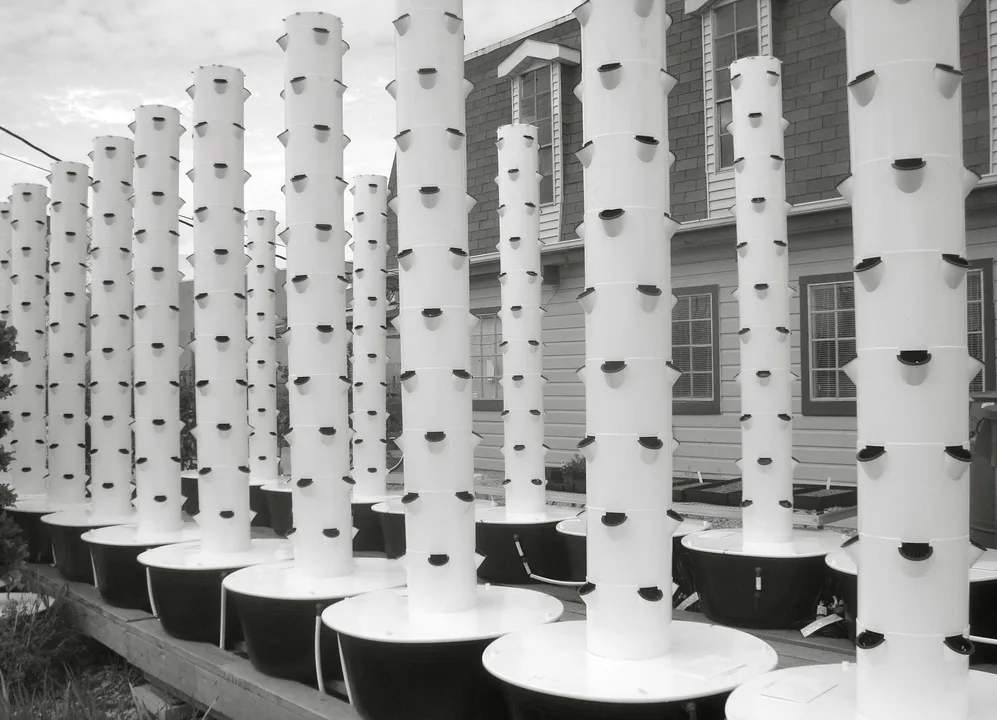
Hydroponic growing is a soil-less system in which all the nutrients are supplied to the plants through a fertigation system. There is no soil involved. It is the polar opposite of the old organic adage, “Feed the soil, not the plant.” Hydroponic growing is based on the belief, “Feed the plant, not the soil.”
The stated NOP standard emphasizes that organic growing is based on caring for the soil. (See below), but their refusal to prohibit soil-less growing contradicts this.
The link to the NOSB Recommendation to the NOP on soilless production:
http://www.ams.usda.gov/AMSv1.0/getfile?dDocName=STELPRDC5084677NOP Standard on soil:
§205.203 Soil fertility and crop nutrient management practice standard.
(a) The producer must select and implement tillage and cultivation practices that maintain or improve the physical, chemical, and biological condition of soil and minimize soil erosion.
(b) The producer must manage crop nutrients and soil fertility through rotations, cover crops, and the application of plant and animal materials.
(c) The producer must manage plant and animal materials to maintain or improve soil organic matter content in a manner that does not contribute to contamination of crops, soil, or water by plant nutrients, pathogenic organisms, heavy metals, or residues of prohibited substances.
Link to the consumer's petition:http://www.ipetitions.com/petition/consumers-to-keep-organic-growing-in-the-soil
Updates
Reached 500 supporters
September 11, 2014
September 9, 2014
The momentum behind this effort shows how deeply our community cares about the fundamental connection between soil and organic certification. We are approaching five hundred signatures and reaching this threshold will provide a clear indication of our collective resolve to the National Organic Program. Please keep bringing attention to this issue as we work to demonstrate the strength of our position.
January 21, 2014
We have reached one hundred signatures from those who understand the vital connection between healthy soil and the integrity of our food. It is encouraging to see such a dedicated group of growers acknowledge that our standards must remain rooted in the ground.
Reached 100 supporters
January 18, 2014
January 17, 2014
We are steadily approaching our first hundred signatures. Reaching this threshold will provide the necessary gravity for our message as I prepare to present our concerns to the board.
507 Comments
My name is Jake Guest. I am the own/operator of Killdeer Farm, a 50+acre vegetable farm on the Connecticut River in Norwich, Vt. I grow certified in-ground tomatoes in four greenhouses. I was shocked to learn that the NOP allows hydroponic tomatoes and, I assume, other greenhouse vegetables to be ornganically certified even though the NOSB has almost unanimously recommendated that it not be allowed. The NOP has got to be kidding! No other major producing country allows this...including Canada and Mexico! That hydroponic growing can be certified is a major contradictiion in that it cuts ouit the very heart of what orgnic means: feeding the soil to feed the plant. Please, pay attention to us and the NOSB !
My name is Terry Marron and ai am the owner /farmer at Winstone Farm which is a certified organic operation. I feel that there would be problems in monitoring a soil-less growing system. Other contries around the globe who have hydroponic organic operations do not allow that produce to be sold as organic in their own countries. We need to feed the soil to feed the plant to feed the population. Soil is a complex system which was designed by nature to produce fruits of the earth. Lets not mess with Mother Nature!
organic has always been about feeding the soil for healthy plants and people. Hydroponics rely solely on water soluble fertilizers from a bag. Don't water down Organic!
As imports and exports become more common in the organic industry, it is important that we have definitions that are consistent across borders. Hydroponic production is not allowed to be labelled organic in the majority of other countries we trade with and we should use the same definition, as voted and recommended by the NOSB.
Enough people think hydroponic and organic are the same thing, when they are oxymoronic. The rule should not encourage this misconception.
Soil is more than an aquarium
ALL THREE OF THESE COUNTRIES PROHIBIT HYDROPONICALLY PRODUCED VEGETABLES TO BE SOLD AS ORGANIC IN THEIR OWN COUNTRIES. One would take pause reading this sentence alone.
Sign Petition
We never post to your account. Social sign-in is used only to verify your signature.
Add a comment?
Your signature will be added via . Tell others why you're signing — it's optional.
By signing, you accept our Terms and Privacy Policy and agree to occasional emails about petitions. Unsubscribe anytime.
Share this petition
Share this petition to help it reach more people.
Your share link
To: All certified organic growers concerned with the integrity of the National Organic Program (NOP). (For people who are not certified organic growers, please use the link at the bottom of the page to the consumer's petition).
Now is the time for the community of organic growers to make their position clear to the National Organic Program. Please vote to support the following proposition:
My name is Dave Chapman and I am the owner/grower at Long Wind Farm. We grow organic tomatoes in our 2 acre greenhouse in East Thetford, Vermont. We have been certified organic since the Vermont Organic Farmers (VOF) began in 1985. We were one of the original 13 farms certified organic by VOF. There has been tremendous growth of certified organic production worldwide since those small beginnings.
I am doing this because of my deep concern about a failure in the process of maintaining the national organic standards. In 2010 the NOSB (National Organic Standards Board) submitted a recommendation to the NOP (National Organic Program) that hydroponic production NOT be certified as organic. (See below). Until that time the issue of soil-less growing had never been addressed by the NOP, so the the NOP asked the NOSB to come up with a recommendation. The NOSB voted 12 to 1 to prohibit hydroponic production. The recommendations of the NOSB are almost always accepted by the NOP, but in this case the NOP has not acted on the NOSB recommendation, and the NOP continues to allow hydroponic production to be certified as organic. The NOP has not offered any guidance to certifying agencies on this matter.
Presently, the vast majority of the “hydroponic organic” produce sold in this country is grown in either Mexico, Canada, or Holland. ALL THREE OF THESE COUNTRIES PROHIBIT HYDROPONICALLY PRODUCED VEGETABLES TO BE SOLD AS ORGANIC IN THEIR OWN COUNTRIES. Mexico, Canada, Japan, New Zealand, and 24 European countries, (including Holland, England, Germany, Italy, France, and Spain) all prohibit hydroponic vegetable production to be sold as organic in their own countries. The NOSB has formally recommended that the United States join the international community in this common definition of organic produce. The USA is very isolated in the decision to allow “organic hydroponic.”
Hydroponic growing is a soil-less system in which all the nutrients are supplied to the plants through a fertigation system. There is no soil involved. It is the polar opposite of the old organic adage, “Feed the soil, not the plant.” Hydroponic growing is based on the belief, “Feed the plant, not the soil.”
The stated NOP standard emphasizes that organic growing is based on caring for the soil. (See below), but their refusal to prohibit soil-less growing contradicts this.
The link to the NOSB Recommendation to the NOP on soilless production:
http://www.ams.usda.gov/AMSv1.0/getfile?dDocName=STELPRDC5084677NOP Standard on soil:
§205.203 Soil fertility and crop nutrient management practice standard.
(a) The producer must select and implement tillage and cultivation practices that maintain or improve the physical, chemical, and biological condition of soil and minimize soil erosion.
(b) The producer must manage crop nutrients and soil fertility through rotations, cover crops, and the application of plant and animal materials.
(c) The producer must manage plant and animal materials to maintain or improve soil organic matter content in a manner that does not contribute to contamination of crops, soil, or water by plant nutrients, pathogenic organisms, heavy metals, or residues of prohibited substances.
Link to the consumer's petition:http://www.ipetitions.com/petition/consumers-to-keep-organic-growing-in-the-soil
Updates
Reached 500 supporters
September 11, 2014
September 9, 2014
The momentum behind this effort shows how deeply our community cares about the fundamental connection between soil and organic certification. We are approaching five hundred signatures and reaching this threshold will provide a clear indication of our collective resolve to the National Organic Program. Please keep bringing attention to this issue as we work to demonstrate the strength of our position.
January 21, 2014
We have reached one hundred signatures from those who understand the vital connection between healthy soil and the integrity of our food. It is encouraging to see such a dedicated group of growers acknowledge that our standards must remain rooted in the ground.
Reached 100 supporters
January 18, 2014
January 17, 2014
We are steadily approaching our first hundred signatures. Reaching this threshold will provide the necessary gravity for our message as I prepare to present our concerns to the board.
507 Comments
I grow hydroponic salad greens, herbs, and edible flowers and sell directly to my customers on farm and to local restaurants. I absolutely oppose organic certification of hydroponic systems growing food. I say that even though I use organic pest management systems in my greenhouses, recycle and reuse almost everything, use and harvest open pollinated seed varieties, and try very hard to have a minimal impact on the soils and the environment that I can. Organic certification is all about the soil. There is no way that hydroponic growing systems can be certified organic without damaging the meaning and spirit of certification itself for the public and my community. It is all about trust. If people can't trust the USDA certified organic label, then what?
My name is Jake Guest. I am the own/operator of Killdeer Farm, a 50+acre vegetable farm on the Connecticut River in Norwich, Vt. I grow certified in-ground tomatoes in four greenhouses. I was shocked to learn that the NOP allows hydroponic tomatoes and, I assume, other greenhouse vegetables to be ornganically certified even though the NOSB has almost unanimously recommendated that it not be allowed. The NOP has got to be kidding! No other major producing country allows this...including Canada and Mexico! That hydroponic growing can be certified is a major contradictiion in that it cuts ouit the very heart of what orgnic means: feeding the soil to feed the plant. Please, pay attention to us and the NOSB !
My name is Terry Marron and ai am the owner /farmer at Winstone Farm which is a certified organic operation. I feel that there would be problems in monitoring a soil-less growing system. Other contries around the globe who have hydroponic organic operations do not allow that produce to be sold as organic in their own countries. We need to feed the soil to feed the plant to feed the population. Soil is a complex system which was designed by nature to produce fruits of the earth. Lets not mess with Mother Nature!
organic has always been about feeding the soil for healthy plants and people. Hydroponics rely solely on water soluble fertilizers from a bag. Don't water down Organic!
As imports and exports become more common in the organic industry, it is important that we have definitions that are consistent across borders. Hydroponic production is not allowed to be labelled organic in the majority of other countries we trade with and we should use the same definition, as voted and recommended by the NOSB.
Enough people think hydroponic and organic are the same thing, when they are oxymoronic. The rule should not encourage this misconception.
Soil is more than an aquarium
ALL THREE OF THESE COUNTRIES PROHIBIT HYDROPONICALLY PRODUCED VEGETABLES TO BE SOLD AS ORGANIC IN THEIR OWN COUNTRIES. One would take pause reading this sentence alone.
Help this petition grow
Share it with friends to help reach 750 signatures.
Sign Petition
We never post to your account. Social sign-in is used only to verify your signature.
Add a comment?
Your signature will be added via .
Tell others why you're signing — it's optional.
Signing with Google or Facebook verifies your signature instantly — no email needed.
By signing, you accept our Terms and Privacy Policy and agree to occasional emails about petitions. Unsubscribe anytime.
Share this petition
Share this petition to help it reach more people.
Your share link
Petitions like this
Other petitions you might want to support




Scan to share
Anyone who scans this can sign the petition.
I grow hydroponic salad greens, herbs, and edible flowers and sell directly to my customers on farm and to local restaurants. I absolutely oppose organic certification of hydroponic systems growing food. I say that even though I use organic pest management systems in my greenhouses, recycle and reuse almost everything, use and harvest open pollinated seed varieties, and try very hard to have a minimal impact on the soils and the environment that I can. Organic certification is all about the soil. There is no way that hydroponic growing systems can be certified organic without damaging the meaning and spirit of certification itself for the public and my community. It is all about trust. If people can't trust the USDA certified organic label, then what?