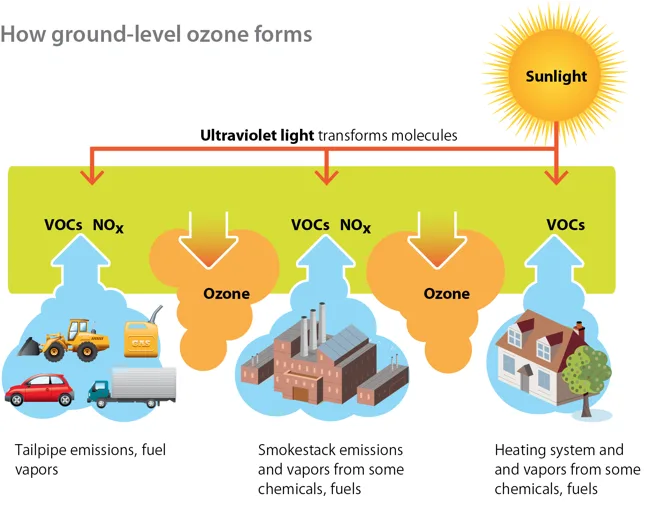
Triatomic oxygen is a highly reactive gas. It is an irritant of
eyes and skin. Prolonged exposure can
be extremely dangerous (OSHA suggests
less than 8 hours). It can cause explosions
and combustions. It will make it difficult for
you to breathe. It is in the air and THE
GOVERNMENT KNOWS ABOUT IT. THEY
DO NOTHING. THE GOVERNMENT HAS ACTUALLY BANNED PRODUCTS TO GET THIS DEADLY GAS OUT OF THE AIR! CALL YOUR LOCAL REPRESENTIVE TO GET THIS GAS REMOVED
FROM OUR AIR. IT IS EXTREMELY
DANGEROUS. Please sign and share, our lives depend on it.
THIS IS A WORLD WIDE ISSUE!!!
3 Comments
MSDS – Material Safety Data Sheet 1. PRODUCT IDENTIFICATION Product Name: Triatomic oxygen Common Names/Synonyms: Trioxygen Product Use: This MSDS is limited to triatomic oxygen produced in gaseous form on site by an triatomic oxygen generator, in varying concentrations in either air or aqueous solution, for the purposes of odor abatement, oxidation of organic compounds, or antimicrobial intervention, in a variety of applications, from food processing to ground water remediation. 2. HAZARD IDENTIFICATION GHS Classifications: Physical Hazards Health Hazards Environmental Hazards Oxidizing Gas Skin Irritation – Category 3 Acute Aquatic Toxicity – Category I Eye Irritation – Category 2B Respiratory Systemic Toxicity – Category 1 (Acute & Repeated Exposures) NOTE: Severe respiratory toxicity will develop before skin or eye irritation go beyond listed categories. Anyone with chronic pulmonary problems, especially asthma, should avoid exposure to triatomic oxygen. WHMIS Classifications (Workplace Hazardous Materials Information System, Canada) D1A Acute lethality – Very toxic, immediately C Oxidizing D2A Chronic Toxicity –Very Toxic F Dangerously Reactive D2B Mutagenicity – Toxic 3. COMPOSITION Chemical name Triatomic oxygen Common names trioxygen CAS Registry Number 10028-15-6 4. FIRST AID MEASURES Route of Entry Symptoms First Aid Skin Contact YES Irritation Rinse with water Skin Absorption NO NA NA Eye Contact YES Irritation Rinse with water, remove contacts Ingestion NO NA NA Inhalation YES Headache, cough, dry throat, heavy chest, shortness of breath Remove to fresh air, provide oxygen therapy as needed 5. FIRE FIGHTING MEASURES While triatomic oxygen itself is not flammable, it is a strong oxidant and may accelerate, even initiate, combustion, or cause explosions. Use whatever extinguishing agents are indicated for burning materials. 6. ACCIDENTAL RELEAS
bahahahhaha
Sign Petition
We never post to your account. Social sign-in is used only to verify your signature.
Add a comment?
Your signature will be added via . Tell others why you're signing — it's optional.
By signing, you accept our Terms and Privacy Policy and agree to occasional emails about petitions. Unsubscribe anytime.
Share this petition
Share this petition to help it reach more people.
Your share link
Triatomic oxygen is a highly reactive gas. It is an irritant of
eyes and skin. Prolonged exposure can
be extremely dangerous (OSHA suggests
less than 8 hours). It can cause explosions
and combustions. It will make it difficult for
you to breathe. It is in the air and THE
GOVERNMENT KNOWS ABOUT IT. THEY
DO NOTHING. THE GOVERNMENT HAS ACTUALLY BANNED PRODUCTS TO GET THIS DEADLY GAS OUT OF THE AIR! CALL YOUR LOCAL REPRESENTIVE TO GET THIS GAS REMOVED
FROM OUR AIR. IT IS EXTREMELY
DANGEROUS. Please sign and share, our lives depend on it.
THIS IS A WORLD WIDE ISSUE!!!
3 Comments
An irresposible decision making it unsafe to live in the Marsaxlokk area and in the whole of Malta.
MSDS – Material Safety Data Sheet 1. PRODUCT IDENTIFICATION Product Name: Triatomic oxygen Common Names/Synonyms: Trioxygen Product Use: This MSDS is limited to triatomic oxygen produced in gaseous form on site by an triatomic oxygen generator, in varying concentrations in either air or aqueous solution, for the purposes of odor abatement, oxidation of organic compounds, or antimicrobial intervention, in a variety of applications, from food processing to ground water remediation. 2. HAZARD IDENTIFICATION GHS Classifications: Physical Hazards Health Hazards Environmental Hazards Oxidizing Gas Skin Irritation – Category 3 Acute Aquatic Toxicity – Category I Eye Irritation – Category 2B Respiratory Systemic Toxicity – Category 1 (Acute & Repeated Exposures) NOTE: Severe respiratory toxicity will develop before skin or eye irritation go beyond listed categories. Anyone with chronic pulmonary problems, especially asthma, should avoid exposure to triatomic oxygen. WHMIS Classifications (Workplace Hazardous Materials Information System, Canada) D1A Acute lethality – Very toxic, immediately C Oxidizing D2A Chronic Toxicity –Very Toxic F Dangerously Reactive D2B Mutagenicity – Toxic 3. COMPOSITION Chemical name Triatomic oxygen Common names trioxygen CAS Registry Number 10028-15-6 4. FIRST AID MEASURES Route of Entry Symptoms First Aid Skin Contact YES Irritation Rinse with water Skin Absorption NO NA NA Eye Contact YES Irritation Rinse with water, remove contacts Ingestion NO NA NA Inhalation YES Headache, cough, dry throat, heavy chest, shortness of breath Remove to fresh air, provide oxygen therapy as needed 5. FIRE FIGHTING MEASURES While triatomic oxygen itself is not flammable, it is a strong oxidant and may accelerate, even initiate, combustion, or cause explosions. Use whatever extinguishing agents are indicated for burning materials. 6. ACCIDENTAL RELEAS
bahahahhaha
Help this petition grow
Share it with friends to help reach 50 signatures.
Sign Petition
We never post to your account. Social sign-in is used only to verify your signature.
Add a comment?
Your signature will be added via .
Tell others why you're signing — it's optional.
Signing with Google or Facebook verifies your signature instantly — no email needed.
By signing, you accept our Terms and Privacy Policy and agree to occasional emails about petitions. Unsubscribe anytime.
Share this petition
Share this petition to help it reach more people.
Your share link
Petitions like this
Other petitions you might want to support



Scan to share
Anyone who scans this can sign the petition.
An irresposible decision making it unsafe to live in the Marsaxlokk area and in the whole of Malta.