Status: Closed — this petition is no longer accepting signatures.
Closed — 12 supporters

Final supporters
S
sophie
J
Jingru X.
S
Someone
R
Rachel C.
C
Colby P.
A
anna b.
M
mia
E
Eliya
M
megan T.
Z
Zachary
ZB
Started by
Zachary black
6 years, 11 months ago
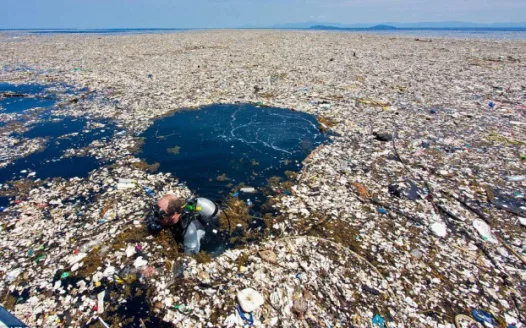
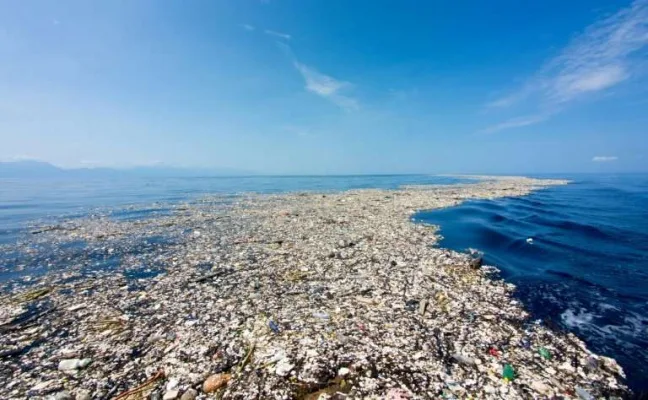
The Great Pacific Garbage Patch is located in the northern Pacific Ocean and contains tons of marine debris. The Patch is roughly twice the size of Texas and spans from the West Coast of North America to Japan. Most of the debris is plastic broken down by the sun in photodegradation and become microplastics which are harder to clean up and see.
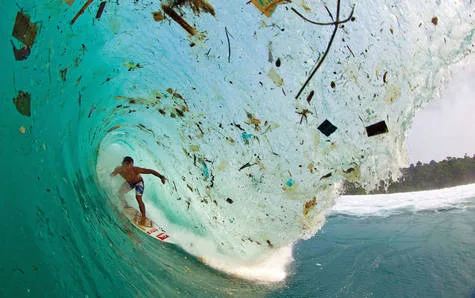
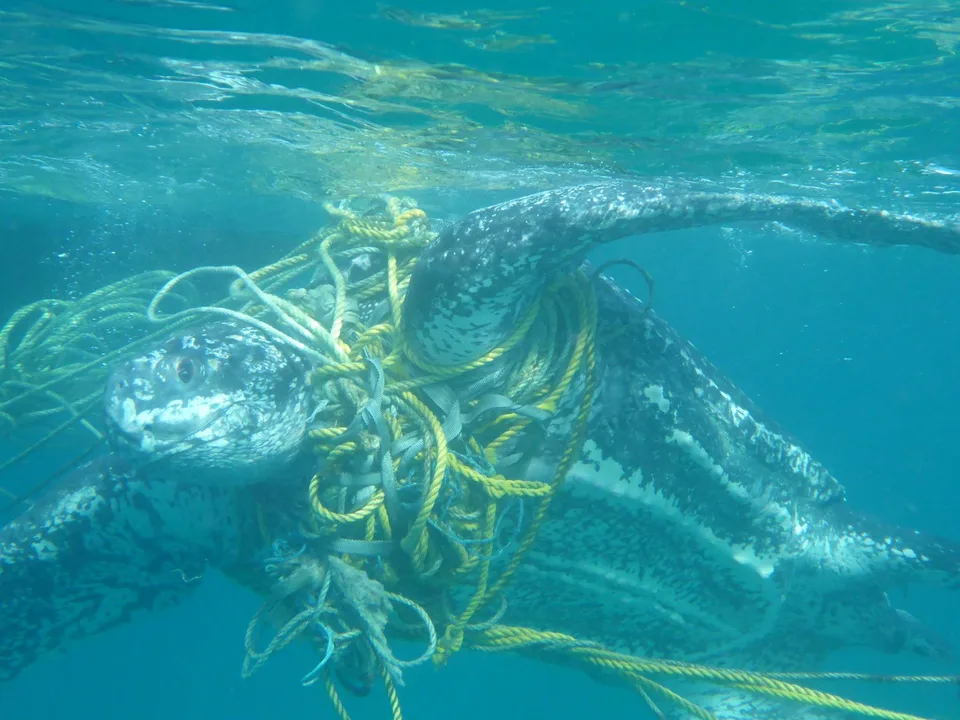
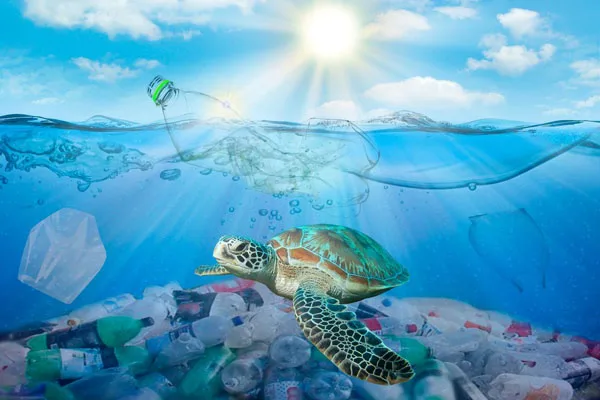
The marine debris in this area is harmful to ocean wildlife because this trash can be mistaken as food. Not only can trash be mistaken as food but marine mammals like seals can get stuck in abandoned fishing nets and drown in what is called "ghost fishing". The debris is also harmful to the food webs in the pacific ocean because the microplastics and other trash gather along the ocean surface and block the sun from reaching phototropic organisms, like plankton or algae, who live beneath the surface. Animals who feed on these phototropic organisms could be losing a whole food source if the populations are threatened by the debris. Plastics also release pollutants into the water.
If the United Nations could create a plan to clean up the Great Pacific Garbage Patch or prevent it from increasing in size, it could preserve the ocean environment and control the amount of plastic pollutants in the water. By implementing a plan to clean up the marine debris, not only would wildlife be saved but so would humans since we eat food coming from the oceans. It would reduce the amount of toxins we eat that are taken in by marine organisms.
The marine debris in this area is harmful to ocean wildlife because this trash can be mistaken as food. Not only can trash be mistaken as food but marine mammals like seals can get stuck in abandoned fishing nets and drown in what is called "ghost fishing". The debris is also harmful to the food webs in the pacific ocean because the microplastics and other trash gather along the ocean surface and block the sun from reaching phototropic organisms, like plankton or algae, who live beneath the surface. Animals who feed on these phototropic organisms could be losing a whole food source if the populations are threatened by the debris. Plastics also release pollutants into the water.
If the United Nations could create a plan to clean up the Great Pacific Garbage Patch or prevent it from increasing in size, it could preserve the ocean environment and control the amount of plastic pollutants in the water. By implementing a plan to clean up the marine debris, not only would wildlife be saved but so would humans since we eat food coming from the oceans. It would reduce the amount of toxins we eat that are taken in by marine organisms.
More like this

The Great Pacific Garbage Patch
22
out of
50
signatures
44%
by
Anonymous
13 years ago

Do Something About the 'Plastic Island'
48
out of
50
signatures
96%
by
Anonymous
14 years ago
3 Comments
M
Mike Karimi
6 years ago
Featured
GET IT DONE. Oceans are dying because of us.
A
Anonymous
6 years ago
This needs to be cleaned up
Share this petition
Share this petition to help it reach more people.
Your share link
Status: Closed — this petition is no longer accepting signatures.
Closed — 12 supporters
Final supporters
S
sophie
J
Jingru X.
S
Someone
R
Rachel C.
C
Colby P.
A
anna b.
M
mia
E
Eliya
M
megan T.
Z
Zachary
ZB
Started by
Zachary black
6 years, 11 months ago
The Great Pacific Garbage Patch is located in the northern Pacific Ocean and contains tons of marine debris. The Patch is roughly twice the size of Texas and spans from the West Coast of North America to Japan. Most of the debris is plastic broken down by the sun in photodegradation and become microplastics which are harder to clean up and see.
The marine debris in this area is harmful to ocean wildlife because this trash can be mistaken as food. Not only can trash be mistaken as food but marine mammals like seals can get stuck in abandoned fishing nets and drown in what is called "ghost fishing". The debris is also harmful to the food webs in the pacific ocean because the microplastics and other trash gather along the ocean surface and block the sun from reaching phototropic organisms, like plankton or algae, who live beneath the surface. Animals who feed on these phototropic organisms could be losing a whole food source if the populations are threatened by the debris. Plastics also release pollutants into the water.
If the United Nations could create a plan to clean up the Great Pacific Garbage Patch or prevent it from increasing in size, it could preserve the ocean environment and control the amount of plastic pollutants in the water. By implementing a plan to clean up the marine debris, not only would wildlife be saved but so would humans since we eat food coming from the oceans. It would reduce the amount of toxins we eat that are taken in by marine organisms.
The marine debris in this area is harmful to ocean wildlife because this trash can be mistaken as food. Not only can trash be mistaken as food but marine mammals like seals can get stuck in abandoned fishing nets and drown in what is called "ghost fishing". The debris is also harmful to the food webs in the pacific ocean because the microplastics and other trash gather along the ocean surface and block the sun from reaching phototropic organisms, like plankton or algae, who live beneath the surface. Animals who feed on these phototropic organisms could be losing a whole food source if the populations are threatened by the debris. Plastics also release pollutants into the water.
If the United Nations could create a plan to clean up the Great Pacific Garbage Patch or prevent it from increasing in size, it could preserve the ocean environment and control the amount of plastic pollutants in the water. By implementing a plan to clean up the marine debris, not only would wildlife be saved but so would humans since we eat food coming from the oceans. It would reduce the amount of toxins we eat that are taken in by marine organisms.
3 Comments
S
Sarah Collins
6 years ago
Featured
its so sad seeing pictures of all that plastic floating out there. we have to start doing something about this mess before its too late for the sea turtles.
M
Mike Karimi
6 years ago
Featured
GET IT DONE. Oceans are dying because of us.
A
Anonymous
6 years ago
This needs to be cleaned up
Share this petition
Share this petition to help it reach more people.
Your share link
Petitions like this
Other petitions you might want to support


Scan to share
Anyone who scans this can sign the petition.
its so sad seeing pictures of all that plastic floating out there. we have to start doing something about this mess before its too late for the sea turtles.