The Ministry has officially confirmed that the wildlife safety protocols will be revised to incorporate the proactive relocation measures we requested. This outcome represents a significant shift in how our province addresses carnivore encounters. Thank you for your commitment to this cause as we remain watchful to ensure these new …
April 25, 2017

Change to the Large Carnivore Policies and Procedures Public Safety Protocol

Final supporters
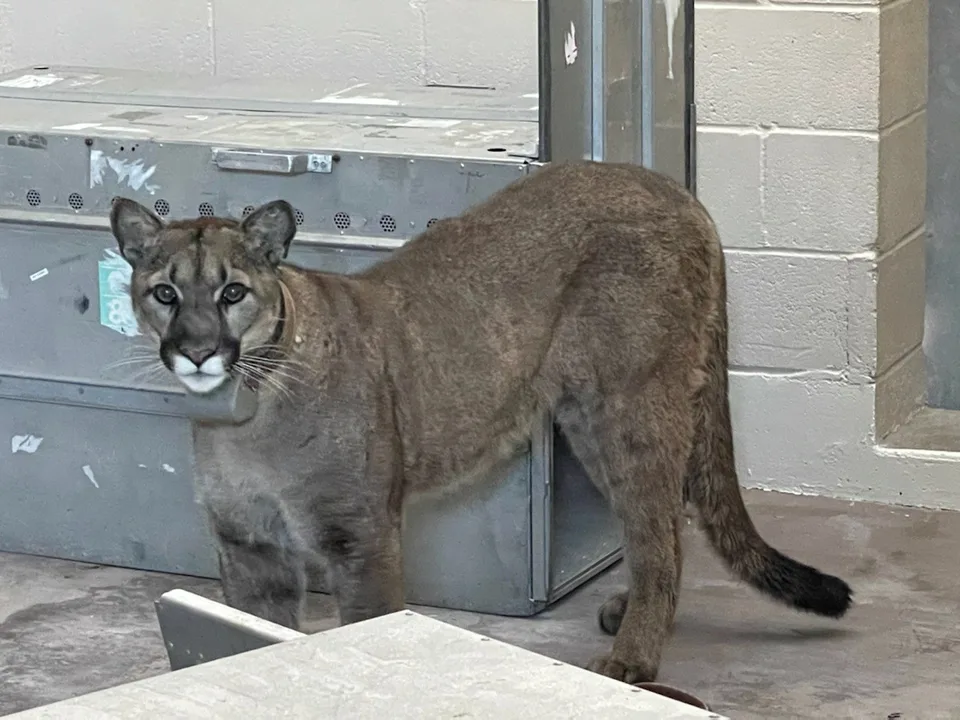
In light of recent events where a mother and her three cougar juveniles were shot and killed in Penticton BC - the public of British Columbia demand a change to the Ministry of Forests, Lands and Natural Resource Operations procedure manual. Human safety is the number one priority, yet better proactive measures must be taken, as it affects whether the large carnivores have a potential successful outcome being relocated, placed in a sanctuary or a fate of death. This change we demand will mean Dan Peterson the Director of Wildlife will review and enforce new procedures and protocols to deal with these large carnivores encounters with proactive protocols in place. Examples are: to inform the human population with an alert system (similar to Amber Alert) or to lock down the community and schools for a 72 hour period which would allow for the Conservation Officers to have a window of time and space to attempt a relocation. Protecting our wildlife is the most important thing we can teach our children. Lapse in action is not acceptable in this day and age.
All cities, townships, villages and all human populations living in proximity to dangerous animals (e.g. large carnivores etc.) must have appropriate safety procedures and protocol in place to prevent attacks and injuries by these animals upon the public and to give these animals a chance at survival. Lapses in human action only further these animals fate of death, whereby in this case, human negligence resulted in the termination of 3 large carnivores on Jan 17, 2017. Appropriate proactive response procedures were not carried out in this case, future prevention must be in place to deal with large carnivore encounters to protect the public and the wildlife. Termination must be a last resort with relocation including sanctuary options for these animals, to prevent all attacks resulting in an injury or death. These procedures must be practiced routinely per the emergency drill requirements implemented and contained in these new changes to the procedures and protocols of the Preventing and Responding to conflicts with Large carnivores manual. Any resulting changes to either the procedures or newly enforced action protocol must be prepared immediately and maintained and reviewed for five years from the date of change.
Updates
Reached 500 supporters
February 1, 2017
January 30, 2017
The signature count is nearing five hundred and reaching this threshold will significantly bolster our position when we present these demands to the Ministry. Please direct your focus to distributing this petition through your personal networks to help us secure the necessary influence for a formal review.
January 29, 2017
The momentum behind this initiative continues to grow at an encouraging pace. It is evident that the public recognizes the urgent need for a more proactive approach toward wildlife management and human safety.
Reached 100 supporters
January 19, 2017
297 Comments
The way this was handled by the Conservation Office was inexcusable. There needs to be a review of their descion making process with wildlife encounters. The only solution they seem to use these days is to kill the wildlife.
Education to reduce fear, increase safety for wildlife and humans and pets, learn to live with them, examine every "expert" statement and government policy with skepticism - "can't be relocated", "habituated", "euthanasia". Demand change in attitudes - compassionate conservation
As a Wildlife Biologist, I am surprised this hasn't already been implemented. We need tools like this to preserve our dwindling wildlife and draw attention to their plight... for our kid's and our grandkid's sake. There needs to be wildlife for them to see.
Protecting top level predators protects biodiversity and entire ecosystems. Human hunting of herbivores is an ineffective replacement, and these destabilized degraded forests and other ecosystems usually don't recover. Predators are an essential part of a livable Earth.
For many years I lived in Lynn Valkey, in North Vancouver. We would be sure not to call the 'conservation' officers when a bear or rarely, a cougar appeared because we knew what the result would be. The animal would always end up dead.
100% in support of protecting and allowing our wildlife to live for future generations. Agree we can find a way to give them a chance to live with relocation and other solutions.
Wildlife must be preserved, not exterminated.
Share this petition
Share this petition to help it reach more people.
Your share link
The Ministry has officially confirmed that the wildlife safety protocols will be revised to incorporate the proactive relocation measures we requested. This outcome represents a significant shift in how our province addresses carnivore encounters. Thank you for your commitment to this cause as we remain watchful to ensure these new …
April 25, 2017
Change to the Large Carnivore Policies and Procedures Public Safety Protocol
Final supporters
In light of recent events where a mother and her three cougar juveniles were shot and killed in Penticton BC - the public of British Columbia demand a change to the Ministry of Forests, Lands and Natural Resource Operations procedure manual. Human safety is the number one priority, yet better proactive measures must be taken, as it affects whether the large carnivores have a potential successful outcome being relocated, placed in a sanctuary or a fate of death. This change we demand will mean Dan Peterson the Director of Wildlife will review and enforce new procedures and protocols to deal with these large carnivores encounters with proactive protocols in place. Examples are: to inform the human population with an alert system (similar to Amber Alert) or to lock down the community and schools for a 72 hour period which would allow for the Conservation Officers to have a window of time and space to attempt a relocation. Protecting our wildlife is the most important thing we can teach our children. Lapse in action is not acceptable in this day and age.
All cities, townships, villages and all human populations living in proximity to dangerous animals (e.g. large carnivores etc.) must have appropriate safety procedures and protocol in place to prevent attacks and injuries by these animals upon the public and to give these animals a chance at survival. Lapses in human action only further these animals fate of death, whereby in this case, human negligence resulted in the termination of 3 large carnivores on Jan 17, 2017. Appropriate proactive response procedures were not carried out in this case, future prevention must be in place to deal with large carnivore encounters to protect the public and the wildlife. Termination must be a last resort with relocation including sanctuary options for these animals, to prevent all attacks resulting in an injury or death. These procedures must be practiced routinely per the emergency drill requirements implemented and contained in these new changes to the procedures and protocols of the Preventing and Responding to conflicts with Large carnivores manual. Any resulting changes to either the procedures or newly enforced action protocol must be prepared immediately and maintained and reviewed for five years from the date of change.
Updates
Reached 500 supporters
February 1, 2017
January 30, 2017
The signature count is nearing five hundred and reaching this threshold will significantly bolster our position when we present these demands to the Ministry. Please direct your focus to distributing this petition through your personal networks to help us secure the necessary influence for a formal review.
January 29, 2017
The momentum behind this initiative continues to grow at an encouraging pace. It is evident that the public recognizes the urgent need for a more proactive approach toward wildlife management and human safety.
Reached 100 supporters
January 19, 2017
297 Comments
Obviously killing these cougars won't prevent other animals from looking for food, either, showing up close to residential areas, so why not examine why they're risking their lives to do so? A new housing development took precedence perhaps?
The way this was handled by the Conservation Office was inexcusable. There needs to be a review of their descion making process with wildlife encounters. The only solution they seem to use these days is to kill the wildlife.
Education to reduce fear, increase safety for wildlife and humans and pets, learn to live with them, examine every "expert" statement and government policy with skepticism - "can't be relocated", "habituated", "euthanasia". Demand change in attitudes - compassionate conservation
As a Wildlife Biologist, I am surprised this hasn't already been implemented. We need tools like this to preserve our dwindling wildlife and draw attention to their plight... for our kid's and our grandkid's sake. There needs to be wildlife for them to see.
Protecting top level predators protects biodiversity and entire ecosystems. Human hunting of herbivores is an ineffective replacement, and these destabilized degraded forests and other ecosystems usually don't recover. Predators are an essential part of a livable Earth.
For many years I lived in Lynn Valkey, in North Vancouver. We would be sure not to call the 'conservation' officers when a bear or rarely, a cougar appeared because we knew what the result would be. The animal would always end up dead.
100% in support of protecting and allowing our wildlife to live for future generations. Agree we can find a way to give them a chance to live with relocation and other solutions.
Wildlife must be preserved, not exterminated.
Share this petition
Share this petition to help it reach more people.
Your share link
Petitions like this
Other petitions you might want to support



Scan to share
Anyone who scans this can sign the petition.
Obviously killing these cougars won't prevent other animals from looking for food, either, showing up close to residential areas, so why not examine why they're risking their lives to do so? A new housing development took precedence perhaps?