Status: Closed — this petition is no longer accepting signatures.

Closed — 9 supporters

Final supporters
N
Nicki H.
W
William W.
S
Someone
S
Sara C.
S
Someone
J
Jess B.
M
Michael B.
A
Ann V.
S
Someone
The function of an outside project is to teach students concepts that they would not learn as effectively in a classroom. The Rube Goldberg project, as with any class assignment, must therefore be judged not by whether or not students learned, but by whether or not it was the most effective way for students to learn, over the time period required for completion.
Though parts of the Rube Goldberg Project provide valuable learning experiences, they are concentrated in the initial thought process behind the design, and the final explanation of each step and its energy transfers. The majority of the work put into the project is involved in building, a process that can easily take more than 20 hours, especially for Physics 1A students.
This entire portion of the project relies less upon principles of physics than trial and error, and can be enormously stressful, especially for students with little building experience. Though some principles of physics do become clearer as they are experimented with in the real world, so much time and energy is involved that the net project cannot be considered completely valuable.
The Rube Goldberg Project, as well as the Solar Power Project, would be far more legitimate if taken out of the context of a Physics 1 class, which is often taken during junior year. 11th grade is the last full year students have to build a resume for post-high school life, and many students have extremely tight schedules, not to mention a full class schedule
More like this
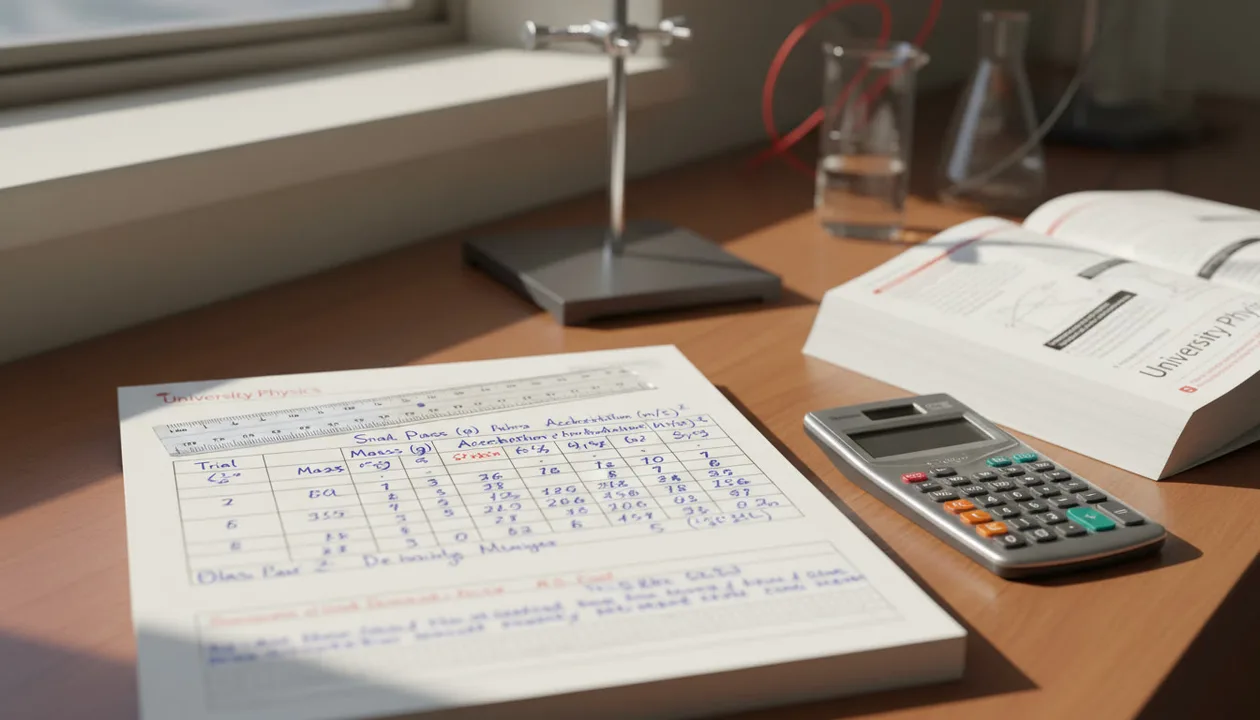
No Physics A Final
63
out of
100
signatures
63%
by
Ken Asada
12 years ago
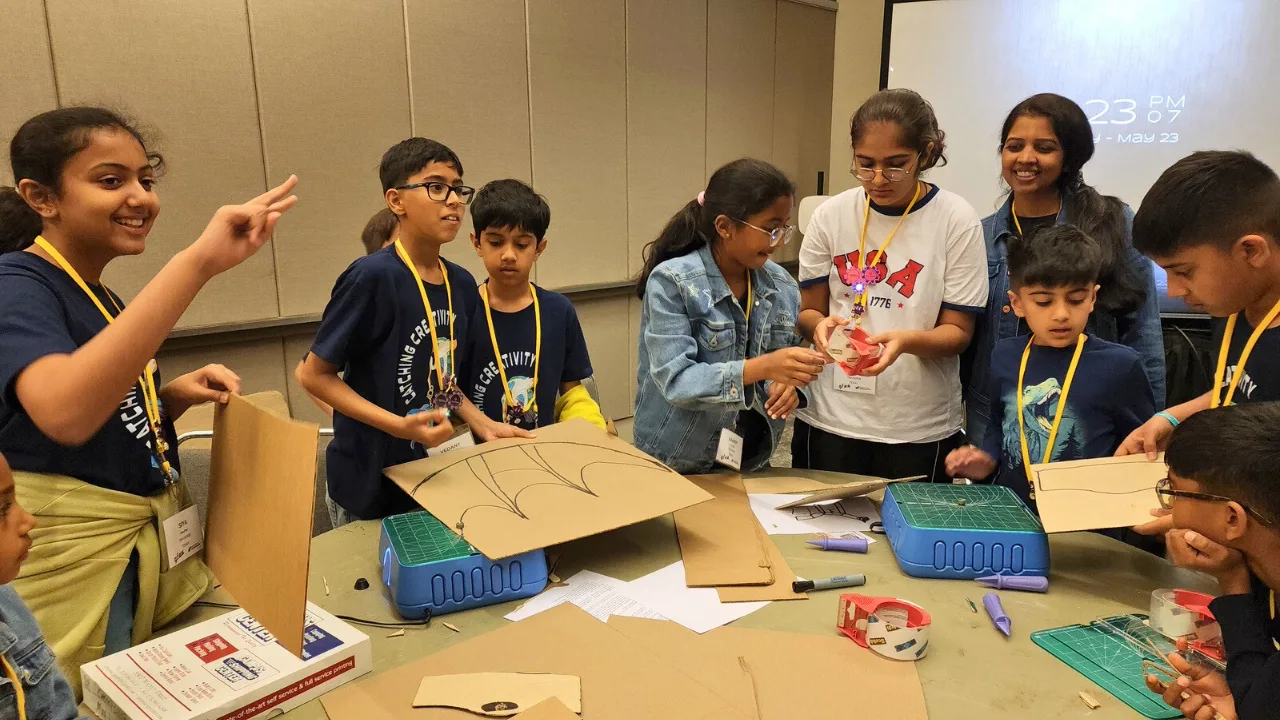
Improving our educational system
64
out of
100
signatures
64%
by
Courtney Laschkewitsch
12 years ago
1 Comment
Share this petition
Share this petition to help it reach more people.
Your share link
Status: Closed — this petition is no longer accepting signatures.
Closed — 9 supporters
Final supporters
N
Nicki H.
W
William W.
S
Someone
S
Sara C.
S
Someone
J
Jess B.
M
Michael B.
A
Ann V.
S
Someone
The function of an outside project is to teach students concepts that they would not learn as effectively in a classroom. The Rube Goldberg project, as with any class assignment, must therefore be judged not by whether or not students learned, but by whether or not it was the most effective way for students to learn, over the time period required for completion.
Though parts of the Rube Goldberg Project provide valuable learning experiences, they are concentrated in the initial thought process behind the design, and the final explanation of each step and its energy transfers. The majority of the work put into the project is involved in building, a process that can easily take more than 20 hours, especially for Physics 1A students.
This entire portion of the project relies less upon principles of physics than trial and error, and can be enormously stressful, especially for students with little building experience. Though some principles of physics do become clearer as they are experimented with in the real world, so much time and energy is involved that the net project cannot be considered completely valuable.
The Rube Goldberg Project, as well as the Solar Power Project, would be far more legitimate if taken out of the context of a Physics 1 class, which is often taken during junior year. 11th grade is the last full year students have to build a resume for post-high school life, and many students have extremely tight schedules, not to mention a full class schedule
1 Comment
K
Kevin Webster
18 years ago
Featured
This project killed my gpa junior year. I spent way too many nights glueing stuff together instead of actually studying for my ap exams. way too much busy work.
Share this petition
Share this petition to help it reach more people.
Your share link
Petitions like this
Other petitions you might want to support




Scan to share
Anyone who scans this can sign the petition.
This project killed my gpa junior year. I spent way too many nights glueing stuff together instead of actually studying for my ap exams. way too much busy work.