


Statement on Urban Agriculture
April 2011
The Oakland Food Policy Council has identified support for and expansion of urban agriculture (UA) through local policy and coordination as one of our top goals.
Broadly, UA encompasses the cultivation of fruits, vegetables, plants, flowers or herbs, and/or raising animals and livestock in cities. Oakland is already home to a thriving community of urban farmers and gardeners who contribute to our city’s culture, health, environment, and economic vitality.
However, our planning process identified a number of areas where Oakland residents could benefit from clearer, updated, and streamlined local policies related to urban agriculture – especially in our zoning code. The widely publicized case of Ghost Town Farm, which was recently cited for lack of compliance with Oakland’s current zoning codes, highlights the need for an open dialogue about what sort of regulatory framework for UA activities we want to have here in Oakland. We would like to use this opportunity to generate public discussion about policy barriers and opportunities related to UA and to continue to urge the City to expedite the revision of existing zoning that in some cases hinders UA in Oakland. Most important, we are interested in promoting a positive and productive dialogue where our policymakers, city staff, and residents can work together to chart a course for the future of UA.
We have identified two priority areas where we recommend policy changes:
1. Update zoning for UA to include a broader and more diverse range of food growing practices. Under the most recent citywide zoning update that is about to take effect, “Crop and Animal Raising Agricultural Activities” are allowed in all residential and commercial zoning districts with a Conditional Use Permit (CUP). The OFPC is working with the Planning Department to draft new UA definitions and amend the UA sections of the Zoning code in order to both clarify and streamline how different types of UA activities are regulated. Instead of one blanket policy that applies to all kinds of UA regardless of scale or intensity of activities, we are proposing definitions (and appropriate operating standards) for three types of UA that will help determine where UA can be practiced in Oakland:
- Residential UA is any form of plant and animal raising activity on a private residential property by an individual or family with the primary purpose of household consumption (regarding sales of Residential UA surplus, see the next point below). We propose that residential gardens be allowed as-of-right (with no additional permits or fees required) in all residential zones.
- Civic UA must be organized and operated by a Community Group, which may include local civic associations, public agencies, non-profit agencies, gardening clubs, homeowners associations, or even a group formed for the purpose of establishing a garden. We propose that civic gardens be allowed in all residential zones, and in most commercial zones (it may be appropriate for some commercial areas, such as our downtown, to require a CUP).
- Commercial UA use is distinguished from Civic UA by the intensity of site cultivation, the size of the site cultivated, and the primary purpose of the site’s use, which is growing vegetables, plants, flowers or for sale (including for-profit and non-profit enterprises). We propose that commercial UA be permitted in Commercial and Industrial Zones, and in residential zones with a CUP.
We welcome comments from the public regarding these definitions and zoning regulations.
2. Update zoning for sales of raw agricultural products to allow for small-scale entrepreneurial activities. Currently, selling raw, unprocessed agricultural products such as produce is regulated by a number of different laws, including Oakland’s zoning code (briefly, where selling can take place) and by city business permitting and licensing (who is allowed to sell). Generally, commercial activity (like selling produce grown onsite) is not allowed under current code in residential zones.
The OFPC supports modifying our code to allow some sales of raw agricultural products in residential zones. Prohibiting produce sales in residential zones may limit both the healthy food access benefits of urban agriculture and the small-scale entrepreneurial opportunities that it provides to residents. A number of cities, such as San Francisco, CA, Seattle, WA, Cleveland, OH, and Kansas City, MO have recently relaxed prohibitions on sales in residential areas and allowed gardeners to offer their bounty for-sale with appropriate operating standards in place. Additionally, we recommend that any CUP process take into account size and scale of the UA operation (considering such issues as gross sales), and offer a tiered cost structure.
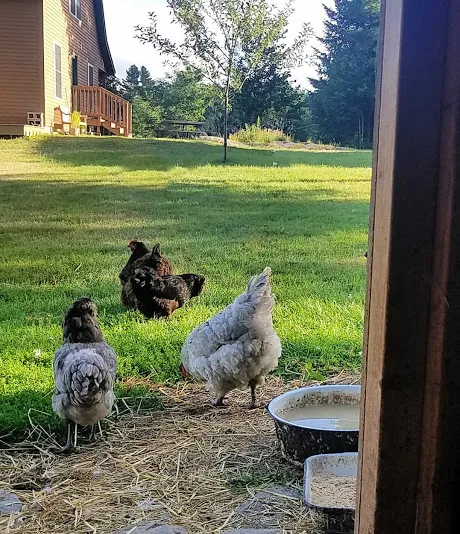
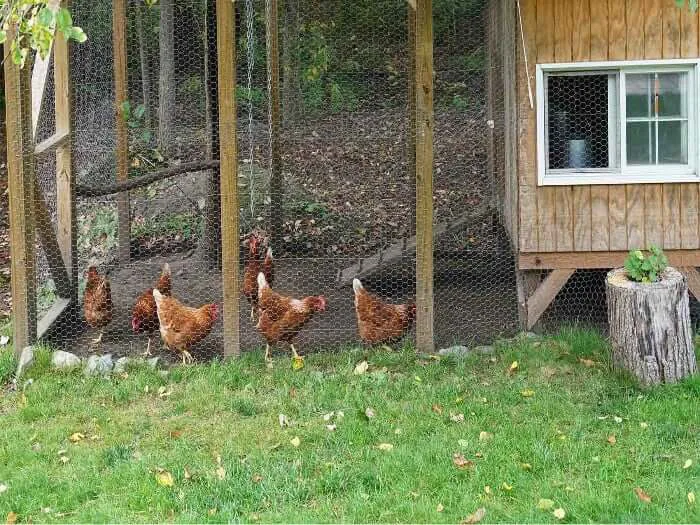
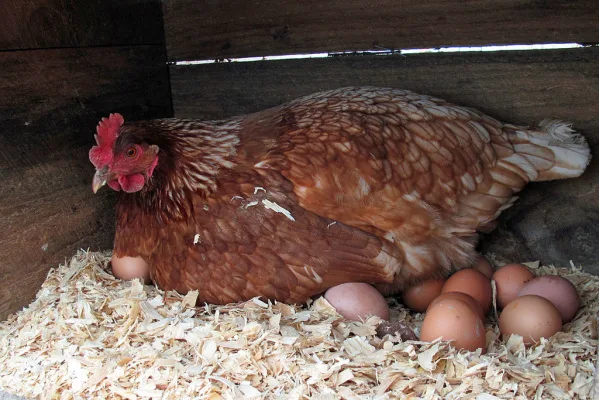
In addition to the priority policy recommendations above, there are several other areas where updated policies could benefit Oakland’s urban farmers and gardeners, including raising animals and livestock. For example, Seattle’s new urban agriculture zoning increased the number of chickens permitted per household and added other allowed animals, including potbelly pigs. The OFPC also strongly supports the integration of animals into urban food production systems because they provide products that can improve the diets of Oakland’s residents (e.g. fresh milk, honey, eggs, and meat). Some urban farmers collect wool and goat hair for cottage industries. Finally, manure is an important fertilizer source for sustainable, ecological food production that is not reliant on petroleum-based chemical fertilizers.
The time is ripe to craft regulations that protect and expand UA, while ensuring that it will consistently be practiced in ways that are compatible with surrounding uses. The OFPC has already compiled suggested zoning code language (including a matrix of zones and UA activities) which we have shared with the City of Oakland Planning & Zoning Department, and we encourage you to contact your City Councilmember to encourage them to support these important policy changes.
The OFPC is prepared to help facilitate this dialogue in any way needed. We, along with all those who have signed this letter, believe that the recommendations outlined above will make for a healthier, more vibrant Oakland.
Updates
Reached 500 supporters
September 21, 2011
Reached 100 supporters
April 7, 2011
6 Comments
the garden on 24th is doing great work but we need more of them everywhere. way too many empty lots in this city that could be feeding people.
yes pls. my neighbors and i have wanted to start a garden on the corner lot for years but the city makes it impossible move forward.
it is about time! stop the red tape and let us plant some veggies.
FOOD JUSTICE NOW. we need to be growing our own produce instead of relying on the corner stores that only sell processed junk.
Oakland needs more fresh food options in the flatlands. Stop letting these vacant lots just sit there overgrown with nothing happening.
Sign Petition
We never post to your account. Social sign-in is used only to verify your signature.
Add a comment?
Your signature will be added via . Tell others why you're signing — it's optional.
By signing, you accept our Terms and Privacy Policy and agree to occasional emails about petitions. Unsubscribe anytime.
Share Petition
Don't stop at signing, share the petition link with friends to multiply our impact
Copy link or share directly
Statement on Urban Agriculture
April 2011
The Oakland Food Policy Council has identified support for and expansion of urban agriculture (UA) through local policy and coordination as one of our top goals.
Broadly, UA encompasses the cultivation of fruits, vegetables, plants, flowers or herbs, and/or raising animals and livestock in cities. Oakland is already home to a thriving community of urban farmers and gardeners who contribute to our city’s culture, health, environment, and economic vitality.
However, our planning process identified a number of areas where Oakland residents could benefit from clearer, updated, and streamlined local policies related to urban agriculture – especially in our zoning code. The widely publicized case of Ghost Town Farm, which was recently cited for lack of compliance with Oakland’s current zoning codes, highlights the need for an open dialogue about what sort of regulatory framework for UA activities we want to have here in Oakland. We would like to use this opportunity to generate public discussion about policy barriers and opportunities related to UA and to continue to urge the City to expedite the revision of existing zoning that in some cases hinders UA in Oakland. Most important, we are interested in promoting a positive and productive dialogue where our policymakers, city staff, and residents can work together to chart a course for the future of UA.
We have identified two priority areas where we recommend policy changes:
1. Update zoning for UA to include a broader and more diverse range of food growing practices. Under the most recent citywide zoning update that is about to take effect, “Crop and Animal Raising Agricultural Activities” are allowed in all residential and commercial zoning districts with a Conditional Use Permit (CUP). The OFPC is working with the Planning Department to draft new UA definitions and amend the UA sections of the Zoning code in order to both clarify and streamline how different types of UA activities are regulated. Instead of one blanket policy that applies to all kinds of UA regardless of scale or intensity of activities, we are proposing definitions (and appropriate operating standards) for three types of UA that will help determine where UA can be practiced in Oakland:
- Residential UA is any form of plant and animal raising activity on a private residential property by an individual or family with the primary purpose of household consumption (regarding sales of Residential UA surplus, see the next point below). We propose that residential gardens be allowed as-of-right (with no additional permits or fees required) in all residential zones.
- Civic UA must be organized and operated by a Community Group, which may include local civic associations, public agencies, non-profit agencies, gardening clubs, homeowners associations, or even a group formed for the purpose of establishing a garden. We propose that civic gardens be allowed in all residential zones, and in most commercial zones (it may be appropriate for some commercial areas, such as our downtown, to require a CUP).
- Commercial UA use is distinguished from Civic UA by the intensity of site cultivation, the size of the site cultivated, and the primary purpose of the site’s use, which is growing vegetables, plants, flowers or for sale (including for-profit and non-profit enterprises). We propose that commercial UA be permitted in Commercial and Industrial Zones, and in residential zones with a CUP.
We welcome comments from the public regarding these definitions and zoning regulations.
2. Update zoning for sales of raw agricultural products to allow for small-scale entrepreneurial activities. Currently, selling raw, unprocessed agricultural products such as produce is regulated by a number of different laws, including Oakland’s zoning code (briefly, where selling can take place) and by city business permitting and licensing (who is allowed to sell). Generally, commercial activity (like selling produce grown onsite) is not allowed under current code in residential zones.
The OFPC supports modifying our code to allow some sales of raw agricultural products in residential zones. Prohibiting produce sales in residential zones may limit both the healthy food access benefits of urban agriculture and the small-scale entrepreneurial opportunities that it provides to residents. A number of cities, such as San Francisco, CA, Seattle, WA, Cleveland, OH, and Kansas City, MO have recently relaxed prohibitions on sales in residential areas and allowed gardeners to offer their bounty for-sale with appropriate operating standards in place. Additionally, we recommend that any CUP process take into account size and scale of the UA operation (considering such issues as gross sales), and offer a tiered cost structure.
In addition to the priority policy recommendations above, there are several other areas where updated policies could benefit Oakland’s urban farmers and gardeners, including raising animals and livestock. For example, Seattle’s new urban agriculture zoning increased the number of chickens permitted per household and added other allowed animals, including potbelly pigs. The OFPC also strongly supports the integration of animals into urban food production systems because they provide products that can improve the diets of Oakland’s residents (e.g. fresh milk, honey, eggs, and meat). Some urban farmers collect wool and goat hair for cottage industries. Finally, manure is an important fertilizer source for sustainable, ecological food production that is not reliant on petroleum-based chemical fertilizers.
The time is ripe to craft regulations that protect and expand UA, while ensuring that it will consistently be practiced in ways that are compatible with surrounding uses. The OFPC has already compiled suggested zoning code language (including a matrix of zones and UA activities) which we have shared with the City of Oakland Planning & Zoning Department, and we encourage you to contact your City Councilmember to encourage them to support these important policy changes.
The OFPC is prepared to help facilitate this dialogue in any way needed. We, along with all those who have signed this letter, believe that the recommendations outlined above will make for a healthier, more vibrant Oakland.
Updates
Reached 500 supporters
September 21, 2011
Reached 100 supporters
April 7, 2011
6 Comments
I am a resident at the uptown apartments across from the art park. I have been thinking that maybe the bare land that remains fenced in across the street could be an urban organic garden to serve the community. It would also provide a place to locally compost and an educational activity that community children could become involved in. I am not alone in wanting to see more greenery/parks incorporated into our changing urban environment.
the garden on 24th is doing great work but we need more of them everywhere. way too many empty lots in this city that could be feeding people.
yes pls. my neighbors and i have wanted to start a garden on the corner lot for years but the city makes it impossible move forward.
it is about time! stop the red tape and let us plant some veggies.
FOOD JUSTICE NOW. we need to be growing our own produce instead of relying on the corner stores that only sell processed junk.
Oakland needs more fresh food options in the flatlands. Stop letting these vacant lots just sit there overgrown with nothing happening.
Help this petition grow
Share it with friends to help reach 750 signatures.
Sign Petition
We never post to your account. Social sign-in is used only to verify your signature.
Add a comment?
Your signature will be added via .
Tell others why you're signing — it's optional.
Signing with Google or Facebook verifies your signature instantly — no email needed.
By signing, you accept our Terms and Privacy Policy and agree to occasional emails about petitions. Unsubscribe anytime.
Share Petition
Don't stop at signing, share the petition link with friends to multiply our impact
Petitions like this
Other petitions you might want to support




Scan to share
Anyone who scans this can sign the petition.
I am a resident at the uptown apartments across from the art park. I have been thinking that maybe the bare land that remains fenced in across the street could be an urban organic garden to serve the community. It would also provide a place to locally compost and an educational activity that community children could become involved in. I am not alone in wanting to see more greenery/parks incorporated into our changing urban environment.